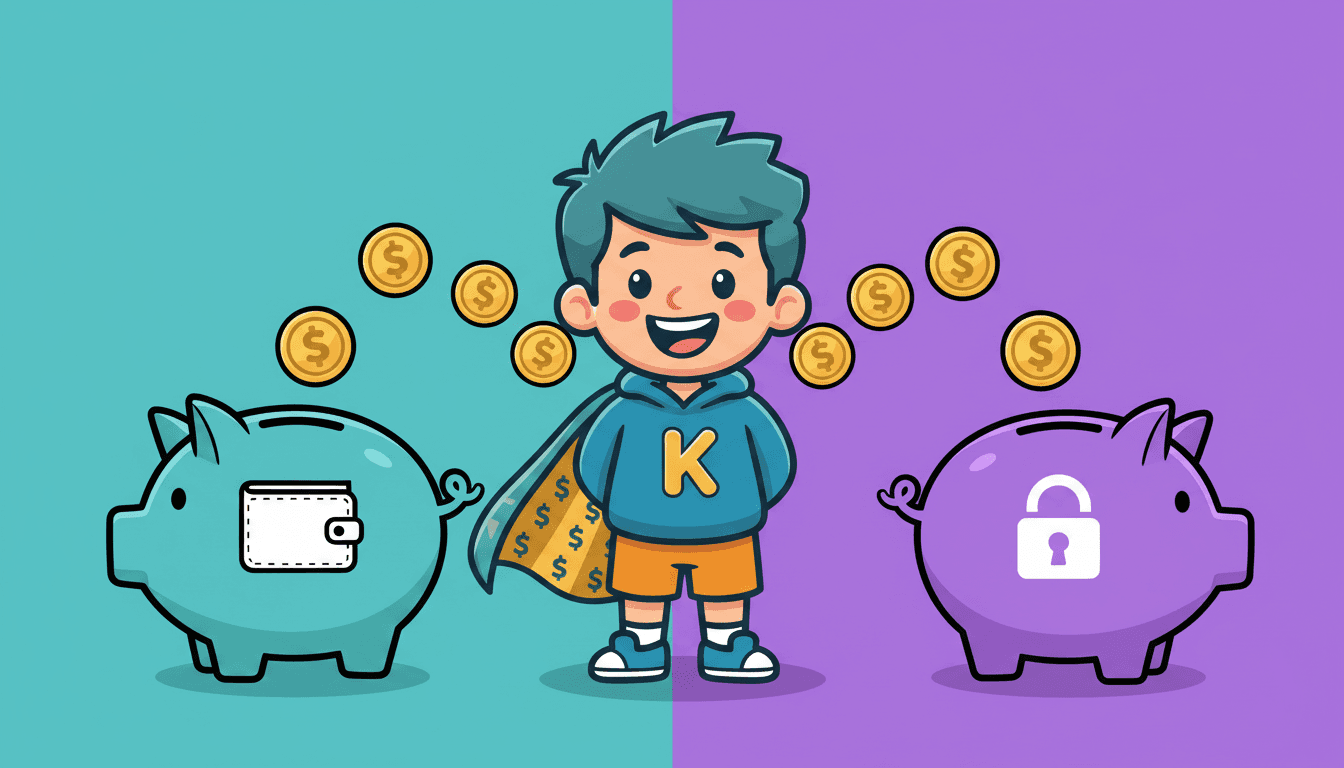
Should Kids Have Checking and Savings Accounts?
The case for splitting your kid's money into two accounts — and how it teaches real banking concepts early.
Most kids have one pile of money. They earn it, they spend it. But real financial literacy requires understanding a concept most adults take for granted: not all money is for spending.
The Two-Account Model
In the real world, adults separate their money:
- Checking: Day-to-day spending money
- Savings: Money set aside for goals, emergencies, or growth
Teaching kids this split early creates a mental model they'll carry into adulthood.
How It Works in KidCash
KidCash has an optional Separate Accounts toggle for each kid. When enabled:
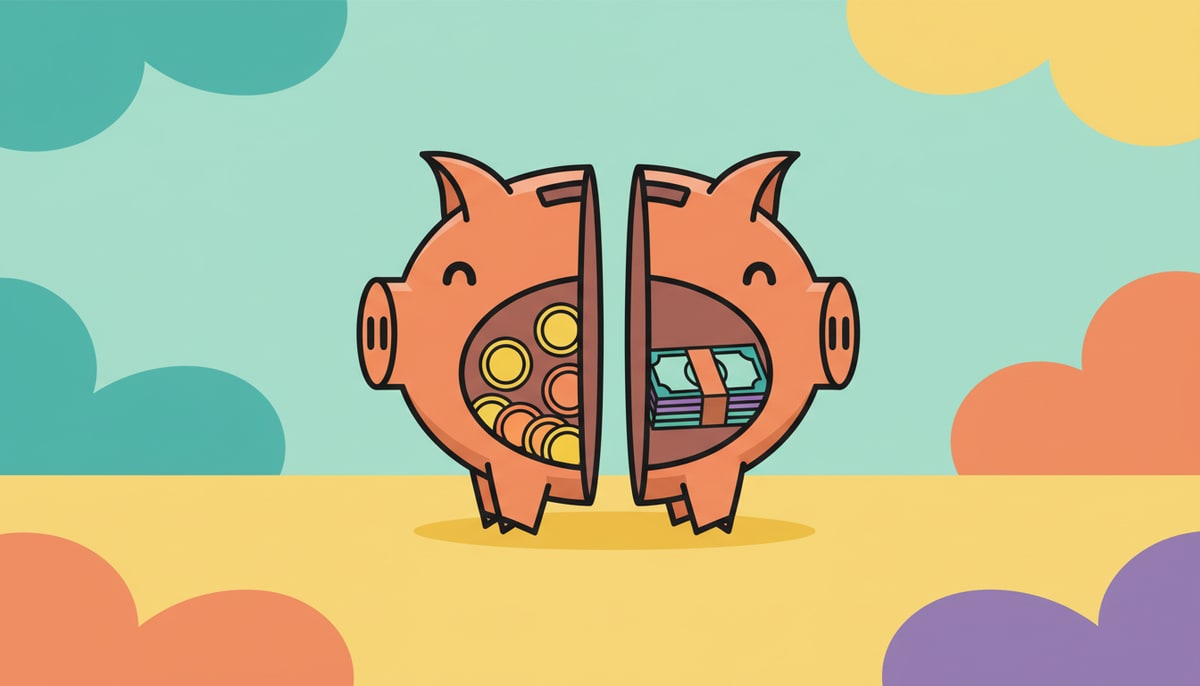
- Their balance splits into Checking and Savings
- The total balance stays the same everywhere (dashboard, Watch, widgets)
- Kids can see both balances on their profile
- Interest only applies to savings — incentivizing them to save
- Allowances go to checking — it's their spending money
- Kids can transfer between accounts themselves (via PIN login)
The Psychology of Separation
When money is in one pile, spending feels limitless until it's gone. When it's split:
- Kids think twice before transferring savings to checking
- They see their savings grow (especially with interest enabled)
- They learn to live within their "checking" budget
- The friction of transferring is just enough to prevent impulse spending
This is the same reason adults are told to keep savings in a separate bank — out of sight, harder to spend.
Age-Appropriate Approach
- Ages 5-7: Keep it simple. One balance. Don't overwhelm them.
- Ages 8-10: Introduce the split. "Let's put half in savings." Help them transfer.
- Ages 11+: Let them manage the split independently. Set interest on savings. Step back.
The Transfer Conversation
When your kid wants to move $20 from savings to checking to buy something:
Don't say no. Ask questions:
- "What are you buying?"
- "How long did it take to save that $20?"
- "Will you still be happy about this purchase next week?"
Then let them decide. The goal is to build their decision-making muscle, not to control their money.
Getting Started
- Go to your kid's edit page
- Toggle on Separate Accounts
- All existing balance moves to checking (savings starts at $0)
- Help them make their first transfer to savings
- Turn on interest for savings
That first transfer — watching money move from checking to savings — is a small moment that teaches a big lesson.
Stay in the loop
We ship new free guides, printables, and the occasional deal — roughly twice a month. No spam, unsubscribe anytime.
Three streams available: 30-day welcome series, biweekly newsletter, and (opt-in) daily blog posts. Pick which you want after signing up. One click to unsubscribe from any.