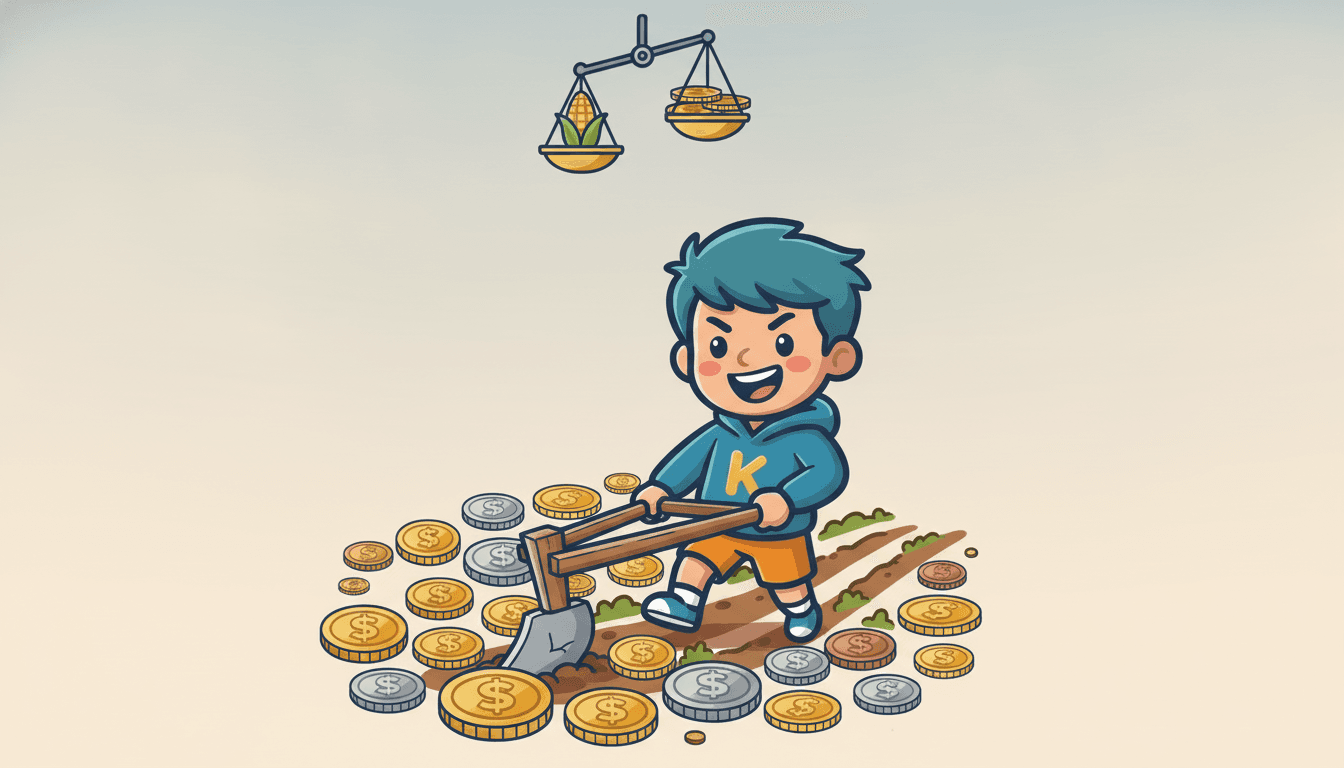
Farm Aid: How Your Food Gets to You (and What It Costs!)
President Trump announced an $8 billion plan to help farmers. Let's talk about where our food comes from and why it costs what it does.
Inspired by: Trump Announces $8 Billion Plan to Cover Farm Losses - The New York Times
You might have seen a headline today about President Trump announcing an $8 billion plan to help farmers cover their losses. Eight billion dollars! That's a huge number. It probably makes you wonder, "What does that even mean?" and "Why do farmers need so much help?" Well, it's a great chance to talk about something super important that affects your piggy bank every single day: food!
From Farm to Table: A Journey with Costs
Think about your favorite snack – maybe a crispy apple, a juicy burger, or a warm slice of pizza. Before any of that deliciousness gets to your plate, it starts its journey on a farm. Farmers work incredibly hard, planting seeds, raising animals, and harvesting crops. It’s a job that depends a lot on things they can’t control, like the weather (too much rain? not enough rain?) and even global events that affect how much they can sell their products for.
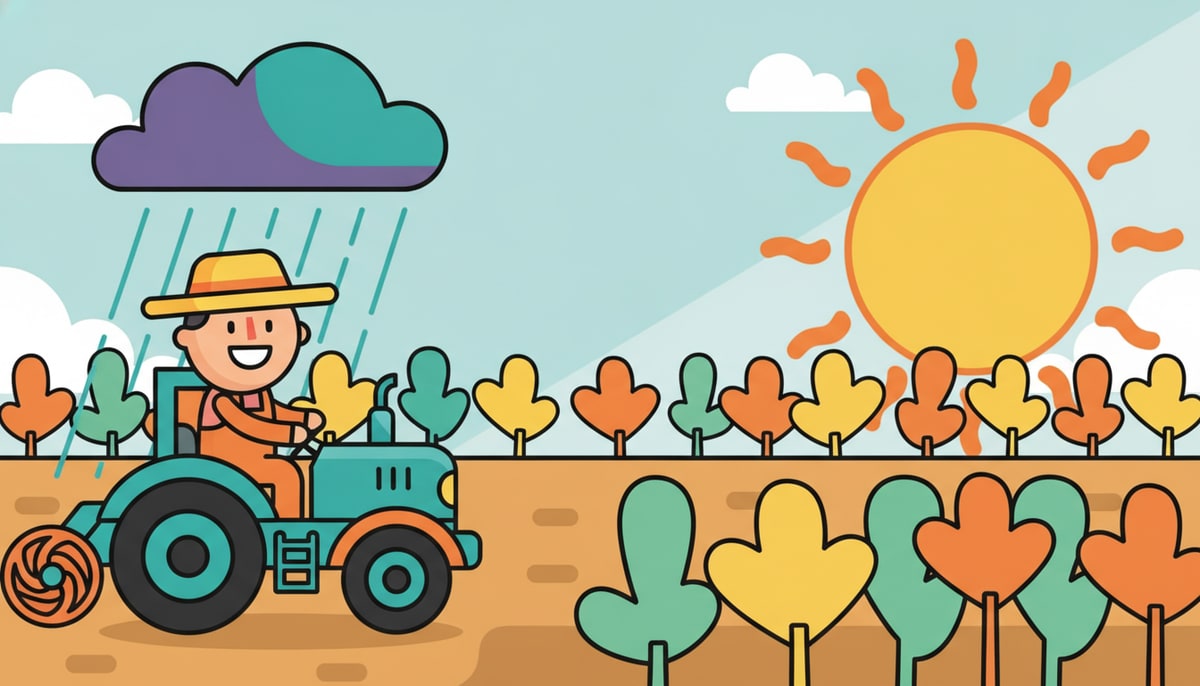
When farmers face problems, like unexpected bad weather that ruins their crops or changes in how much other countries want to buy their products, they can lose a lot of money. That $8 billion plan is designed to help farmers stay in business and keep providing us with food, even when things get tough.
Why Does This Matter to Your Wallet?
You might be thinking, "I don't buy food, my parents do
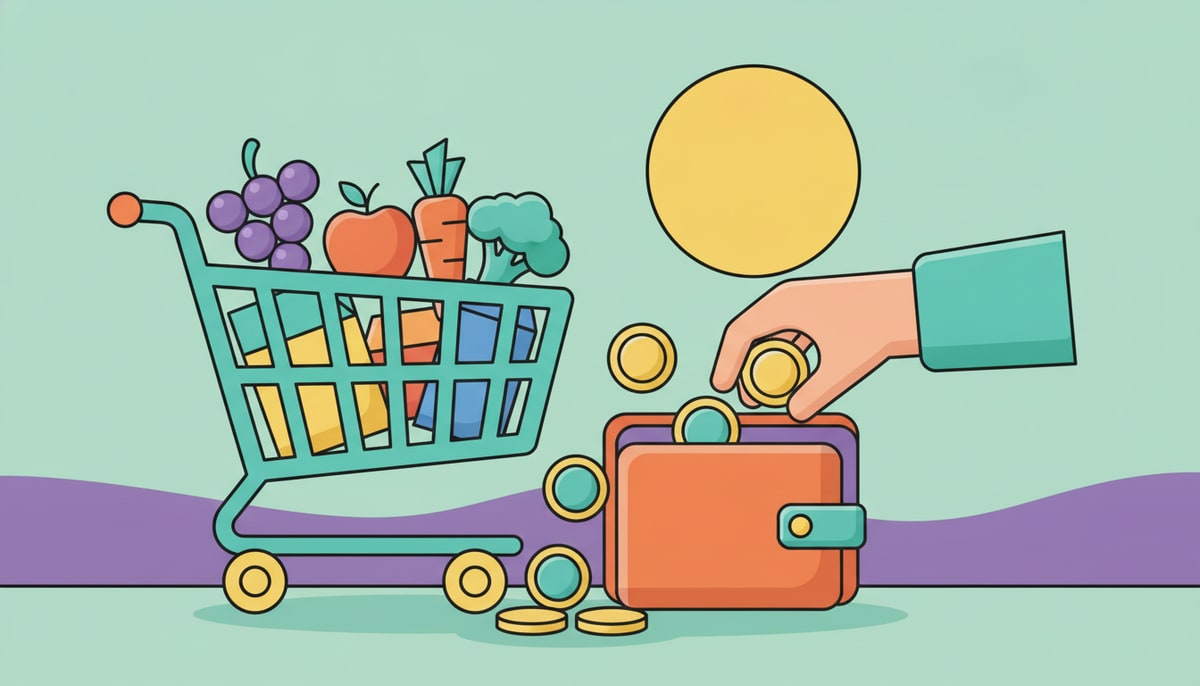 !" And that's true. But the cost of food affects everyone. When farmers struggle, it can make food prices go up for everyone else. Imagine if all the apples in the store suddenly cost twice as much because the apple farmers had a really bad year. Your family would have to spend more money just to buy the same amount of groceries, leaving less money for other things you might want or need.
This is a great example of how different parts of our economy are connected. What happens on a farm thousands of miles away can actually influence the price of your favorite cereal at the grocery store.
Understanding Value and Scarcity
This big news about farm aid also teaches us about value. We often take for granted that there will always be plenty of food in the stores. But the work of farmers, and the challenges they face, remind us that food has real value. It takes land, effort, water, sunshine, and a lot of planning to grow what we eat.
Sometimes, if there's less of something available (like fewer apples because of a bad harvest), it becomes more "scarce," and its price usually goes up. This is a basic rule of how money and goods work. When the government steps in to help farmers, it's often to prevent extreme scarcity and keep food prices stable for families like yours.
Your Role in the Food Chain
Even as a kid, you can start thinking about where your food comes from. When you choose to finish your plate, or help compost food scraps, you're appreciating the effort that went into producing that food and reducing waste. When you see a new fruit or vegetable in the store, ask your parents about it! Learning about different foods and where they grow can make you a smarter shopper and a more informed eater as you get older.
Understanding why things cost what they do, from a gallon of milk to a new video game, is a huge part of learning about money. And it all starts with noticing the world around you, even big news headlines about farmers!
P.S. This week, when you're at the grocery store, challenge your kids to pick out three different fruits or vegetables and guess where they might have come from. Then, look it up together when you get home! It's a fun way to connect their dinner plate to the wider world.
Stay in the loop
We ship new free guides, printables, and the occasional deal — roughly twice a month. No spam, unsubscribe anytime.
Three streams available: 30-day welcome series, biweekly newsletter, and (opt-in) daily blog posts. Pick which you want after signing up. One click to unsubscribe from any.