
Flight Delays? How to Budget for the Unexpected!
Thousands of flights were canceled today! Learn how unexpected events can mess with money plans and why having a backup budget is smart.
Inspired by: Thousands of flights canceled as airlines work to dig out from nationwide ground stop - AP News
Today, news headlines are buzzing about thousands of flights being canceled across the country. Maybe you or someone you know was supposed to travel, and suddenly, plans changed! This happened because of a national ground stop, and now airlines are working hard to get everyone where they need to go. It's a big hassle for a lot of people, and it got us thinking about how unexpected events like this can mess with our money plans.
When Plans Go Sideways
Imagine your family saved up all year for a special trip – maybe to visit grandparents, go to a fun theme park, or see a cool new city. You bought the tickets, booked a hotel, and even picked out some souvenirs you wanted to buy. Then, *boom
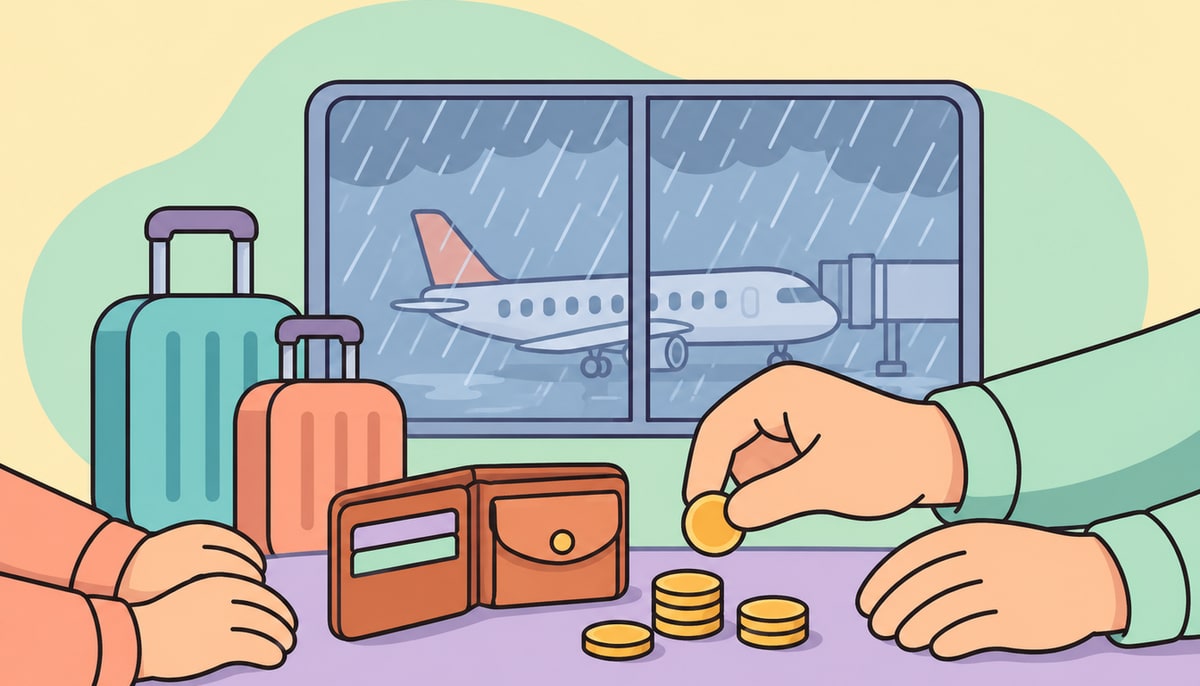 !* A ground stop happens, your flight is canceled, and suddenly, you're stuck.
This isn't just about missing out on fun. There are often extra costs involved. Maybe you need to stay an extra night in a hotel, buy more food, or even purchase new tickets if your old ones can't be rebooked easily. These are all things that weren't in your original plan or budget.
The Power of a "Just in Case" Fund
This is where a "just in case" fund comes in handy
 ! Think of it like a superhero sidekick for your money. It's a special pot of money you save specifically for unexpected things that pop up.
Let's say your family budgeted $100 for food on your trip. But because of the flight delay, you end up needing an extra $50 for meals. If you have a "just in case" fund, that extra $50 doesn't feel like a big problem. It's already there, waiting to save the day! Without it, that $50 might have to come from money saved for something else, like a new toy or a special dinner.
How Kids Can Build Their Own Backup Budget
Even if you're just saving your allowance, you can start building your own "just in case" fund. Here's how:
- Set a goal: Decide how much you want in your "just in case" fund. Maybe it's enough to buy a new game if your old one breaks, or enough for an extra snack if plans change with friends.
- Save a little at a time: Every time you get money (allowance, birthday money, money for chores), put a small portion into your "just in case" fund. Even 50 cents or a dollar adds up!
- Keep it separate: Use a different piggy bank, jar, or envelope for this money so you don't accidentally spend it. Label it "Just In Case!"
- Only use it for emergencies: This is the hard part! It's tempting to dip into your "just in case" fund for something fun, but remember its purpose is for unexpected problems.
Learning to budget for the unexpected, even with small amounts, is a super important money skill. Life throws curveballs, and having a "just in case" fund helps you hit them out of the park without striking out on your money goals!
P.S. This week, talk to your kids about a recent small unexpected expense your family had (e.g., a flat tire, an extra trip to the grocery store for a forgotten item). Discuss how having a little extra money set aside could have made that situation less stressful.
Stay in the loop
We ship new free guides, printables, and the occasional deal — roughly twice a month. No spam, unsubscribe anytime.
Three streams available: 30-day welcome series, biweekly newsletter, and (opt-in) daily blog posts. Pick which you want after signing up. One click to unsubscribe from any.