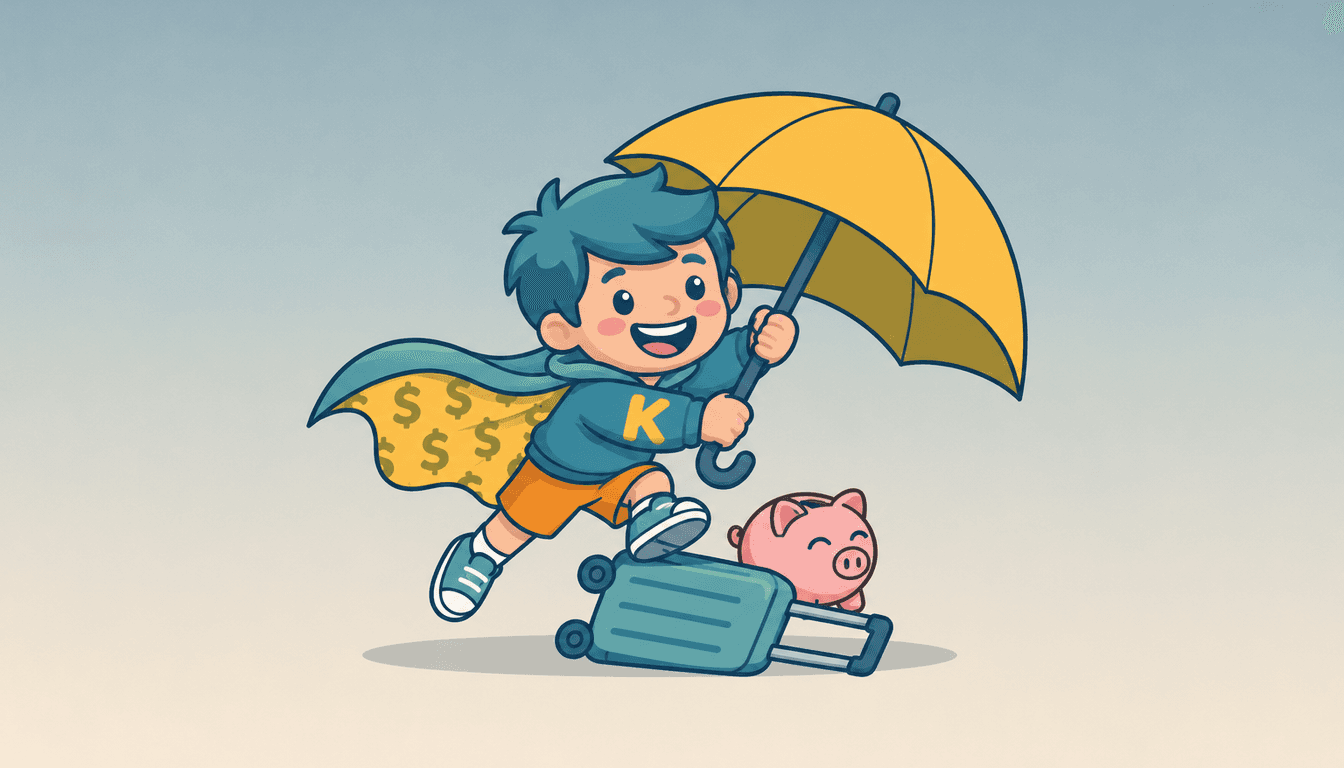
When Plans Change: Holiday Travel & Your Money
Powerful storms are disrupting holiday travel. Learn how unexpected events can affect your family's plans and finances.
Inspired by: Powerful storms disrupt holiday travel, as Macy's Thanksgiving Day Parade is postponed - NPR
Today, many families are facing unexpected changes to their Thanksgiving plans. News reports, like the one from NPR about powerful storms disrupting holiday travel and even postponing the Macy's Thanksgiving Day Parade, are a big reminder that sometimes, things don't go as we expect. Maybe your family was planning a trip to see grandparents, or perhaps you were looking forward to a special event, and now it's all up in the air because of bad weather.
This kind of situation isn't just a bummer for fun plans; it can also teach us a lot about money.
Why Surprises Cost Money
Think about it: when a trip gets canceled or delayed, what happens? Maybe you had tickets for a plane or a train. If those get canceled, you might get your money back, but sometimes you don't get all of it. Or maybe you have to buy new tickets, which can be more expensive at the last minute. Hotels might charge you for a night you didn't even stay
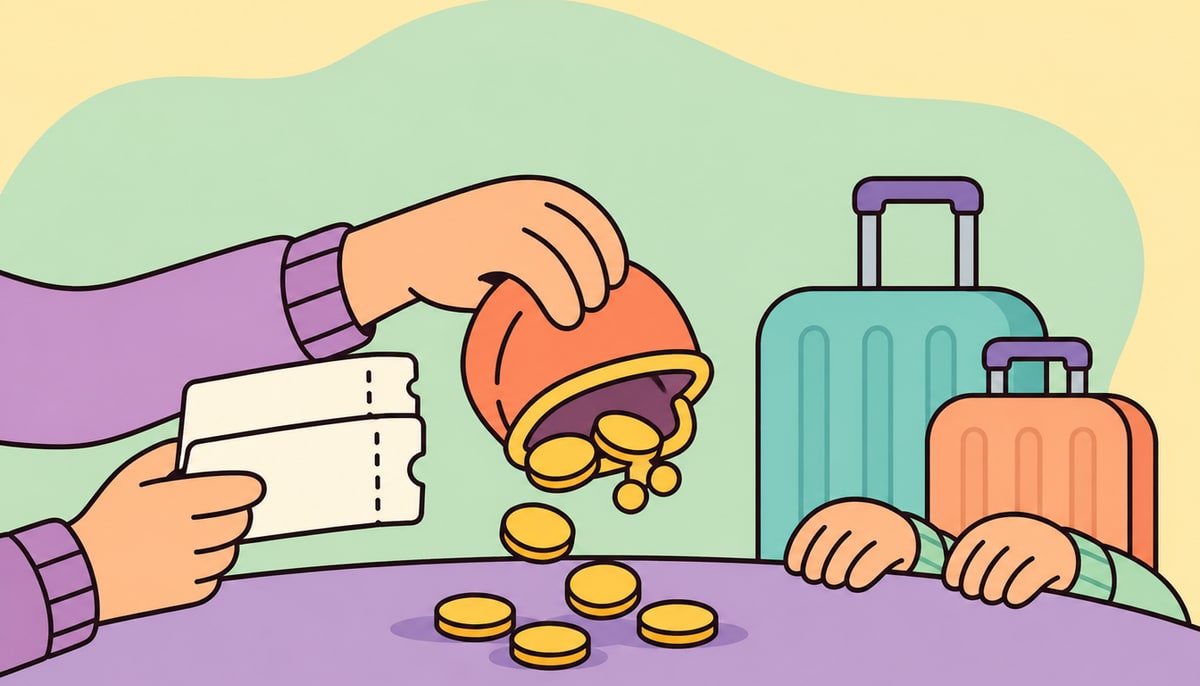 ! All these unexpected costs can really add up.
For grown-ups, this is why having an "emergency fund" is so important. It's like a special savings account just for when unexpected things happen, like a storm canceling your flight or needing to fix something broken in your house. It helps them pay for these surprises without getting into debt or stressing out too much.
Your Own "Surprise Fund"
Even if you're a kid, you can start thinking about your own "surprise fund." Maybe you're saving for a new video game, a special toy, or even just a fun outing with friends. What if something unexpected happens that costs money?
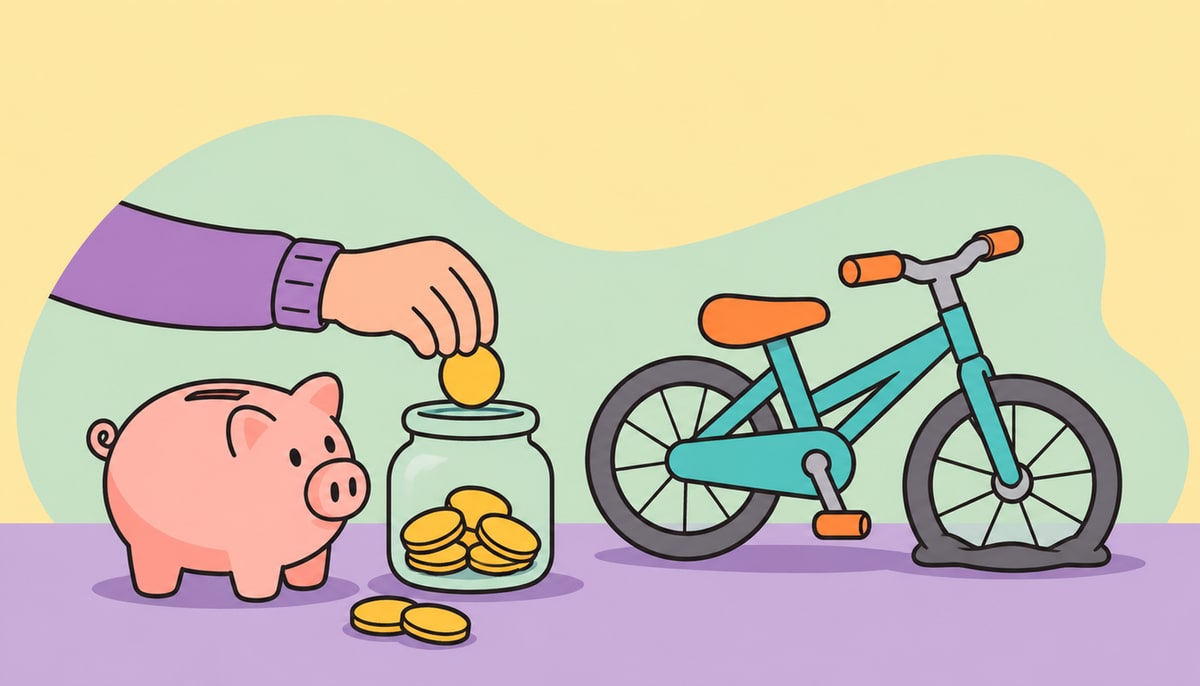
Let's say you're saving for a new scooter. You have $50, and the scooter costs $60. You're almost there! But then, your friend invites you to a movie that costs $10. If you spend your scooter money on the movie, you'll have to wait longer for your scooter. That's a small example of how unexpected opportunities (or problems) can affect your savings goals.
Having a little extra money set aside, even just a few dollars, can make a big difference. It means you won't have to dip into your main savings for things you really want, or you'll be prepared if something comes up that you have to pay for.
Being Flexible with Your Money
Life is full of surprises, big and small. Sometimes, these surprises mean we have to change our plans, and that often means changing our money plans too. If your family's travel plans are disrupted today, you might hear your parents talking about refunds, rebooking fees, or even unexpected nights in a hotel. Listen to what they say. It's a real-world lesson in how important it is to be flexible with your money and to have a little extra stashed away for when things don't go exactly as planned.
It’s also a good reminder that not everything can be planned perfectly. Sometimes, you just have to roll with the punches, and having some money set aside makes those unexpected punches a lot less painful.
P.S. This week, talk to your kids about a time a plan changed unexpectedly. Did it cost money? How did your family handle it? This can be a great way to introduce the idea of saving for the unexpected, even with just a few dollars in a jar.
Stay in the loop
We ship new free guides, printables, and the occasional deal — roughly twice a month. No spam, unsubscribe anytime.
Three streams available: 30-day welcome series, biweekly newsletter, and (opt-in) daily blog posts. Pick which you want after signing up. One click to unsubscribe from any.