
Smart Homes Without the Internet? What It Means for Your Wallet
Your smart home gadgets might soon work offline. Learn how this shift could save you money and give you more control!
Inspired by: Smart home devices should work without the internet
Ever heard grown-ups complain when the internet goes out and suddenly their lights won't turn on, or their smart speaker won't play music? It's a real head-scratcher! This week, a big topic buzzing online, especially on sites like Hacker News, is about whether "smart home devices should work without the internet." Imagine your smart lights, thermostats, or even your robot vacuum still doing their job even if the Wi-Fi is down. Pretty neat, right?
But beyond just convenience, this idea has some cool money lessons for you, no matter if you're 5 or 15!
Control Your Costs, Control Your Stuff
Right now, many smart devices need to talk to the internet, and sometimes even pay a monthly fee, just to work their magic. Think about it like a toy that only works if you keep buying special batteries from one store. If smart devices can work without the internet, it means you might not need that super-expensive, super-fast internet plan just for your house to be "smart." You could potentially save money on monthly subscriptions or even downgrade your internet service, because your gadgets are more independent.
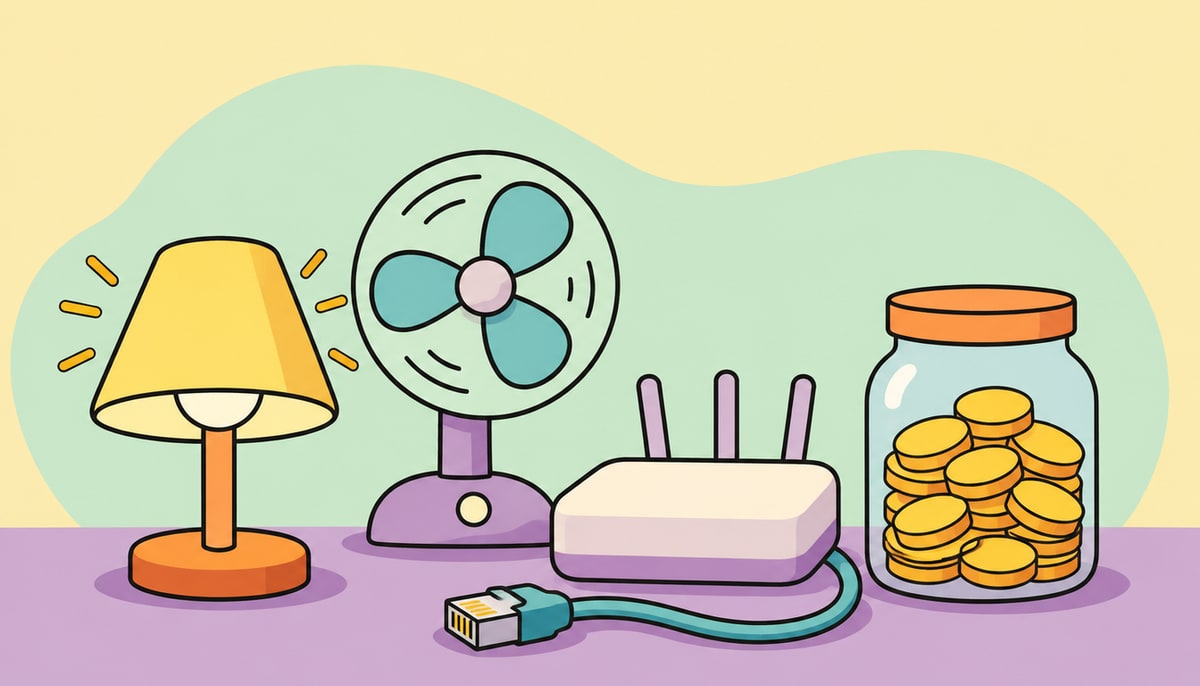
For kids, this is a great way to think about "hidden costs." When you're begging for that new video game, do you think about if it needs a monthly subscription to play online? Or if it needs extra downloadable content (DLC) that costs more money later? Learning to look beyond the initial price tag and consider all the ongoing costs is a super smart money move.
Durability and Long-Term Value
When a device needs the internet to work, what happens if the company that made it goes out of business? Or decides to stop supporting that particular device? Suddenly, your expensive smart gadget could become a useless brick
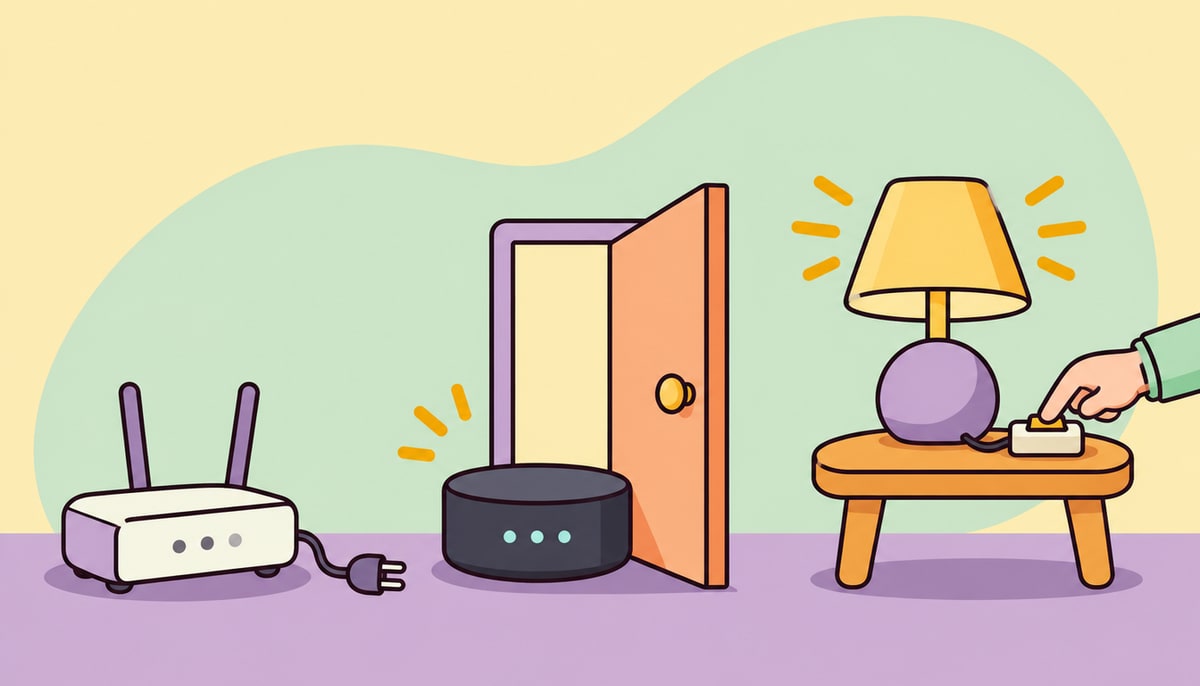 ! It's like buying a cool action figure, but the company says you can only play with it if they give you permission every day.
If smart devices can work offline, they become much more durable and valuable over time. You're not relying on someone else's servers or internet connection. This teaches us about "long-term value." Sometimes, spending a little more upfront on something that's built to last and doesn't rely on outside services can save you a lot of money (and headaches!) in the long run. Think about buying a sturdy pair of shoes that you can fix if they get a hole, instead of cheap ones that fall apart and need to be replaced often.
Privacy and Your Pennies
Another big reason people want devices to work offline is privacy. When your smart speaker is always listening for commands or your smart camera is always sending video to the cloud, there are questions about who sees that information. While this might seem like a grown-up problem, it can actually tie back to money. Companies collect data about how you use their products, and sometimes they use that data to show you ads or even sell it to other companies.
When you're online, every click, every search, every "like" can be tracked. This data is valuable! Learning to be mindful of your digital footprint and understanding how your information is used can help you be a smarter consumer. It's about being aware of what you're "paying" with – not just money, but your information and attention too.
So, the next time you hear about a new smart gadget, ask yourself: Does it need the internet to work? What are the ongoing costs? And what happens if the company stops supporting it? Thinking this way will make you a money-smart kid who's ready for anything!
P.S. This week, challenge your child to identify one "smart" thing in your home (a TV, a speaker, a tablet) and brainstorm together how it might work differently if it didn't need the internet. Talk about what services it relies on and if there are any monthly costs associated with those services. It's a fun way to start a conversation about hidden expenses!
Stay in the loop
We ship new free guides, printables, and the occasional deal — roughly twice a month. No spam, unsubscribe anytime.
Three streams available: 30-day welcome series, biweekly newsletter, and (opt-in) daily blog posts. Pick which you want after signing up. One click to unsubscribe from any.