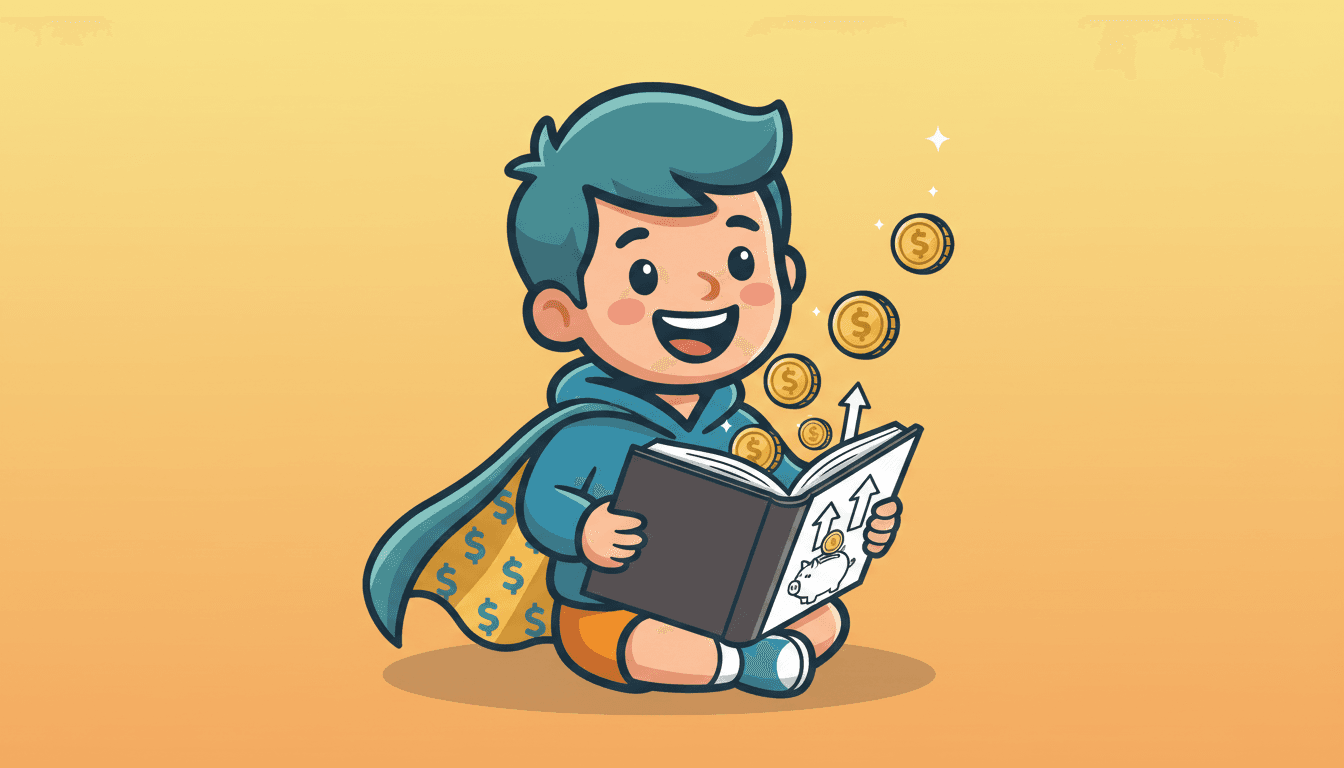
Why Financial Literacy Should Start at Age 5 (Not 15)
Research shows money habits are formed by age 7. Here's why starting early matters and how to make it fun.
A Cambridge University study found that money habits are largely set by age 7. Not 17. Not when they get their first job. Seven.
That means by the time most schools introduce financial literacy (if they do at all), the foundational habits are already baked in.
What Research Tells Us
The key findings are striking:
- Ages 3-4: Children can grasp the concept of "mine" and "not mine" — the beginning of understanding ownership
- Ages 5-6: Kids understand that money is exchanged for things, and that you can run out
- Age 7: The basic approach to financial decision-making is established
- Ages 8-12: The optimal window for building saving and spending habits
The implication is clear: if you wait until high school to talk about money, you're a decade too late.
The Gap Between Schools and Reality
Only 23 US states require any personal finance education in high school. And even when it's taught, a single semester can't override 15+ years of financial habits (or lack thereof).

This isn't the school's job. It's ours.
Making It Practical (Not Boring)
Kids don't learn from lectures about compound interest. They learn from doing:
- Earning: "You earned $5 for helping clean the garage" — connects effort to income
- Saving: Watching a balance grow toward a goal — builds patience and delayed gratification
- Spending: Making trade-offs with their own money — teaches opportunity cost
- Growing: Seeing interest add to their savings — introduces the concept of money working for you
Each of these is more powerful as an experience than as a lesson.
The Allowance Effect
Studies from the American Institute of CPAs show that kids who receive a regular allowance are more likely to:
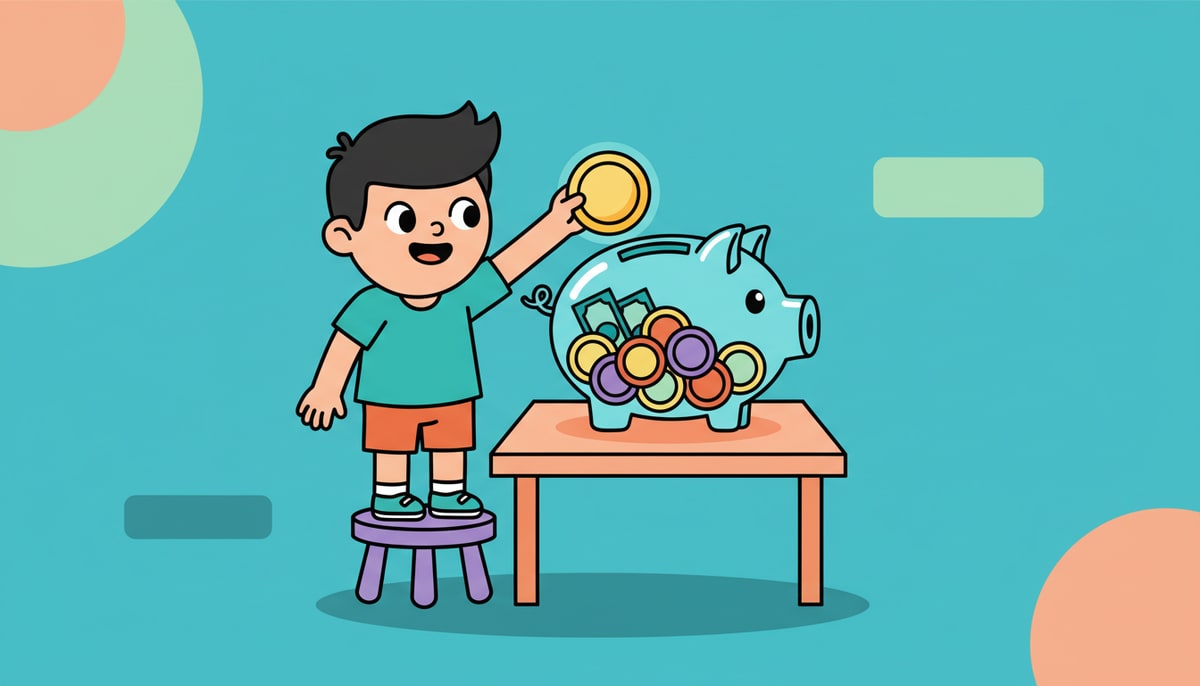
- Save money voluntarily
- Understand the difference between needs and wants
- Make independent purchasing decisions
- Discuss money openly with their parents
The regularity is the key. Sporadic payments don't build habits. Consistent weekly deposits do.
Start Small, Start Now
You don't need a curriculum. You need a conversation and a system:
- Give a small, regular allowance — even $1/week teaches the rhythm of income
- Make it visible — let kids see their balance go up and down
- Set a goal together — something they want, with a clear price tag
- Celebrate milestones — when they hit 50%, when they reach the goal
- Let them make mistakes — buying something they regret is the best teacher
The tools matter less than the habits. But good tools make good habits easier.
Stay in the loop
We ship new free guides, printables, and the occasional deal — roughly twice a month. No spam, unsubscribe anytime.
Three streams available: 30-day welcome series, biweekly newsletter, and (opt-in) daily blog posts. Pick which you want after signing up. One click to unsubscribe from any.