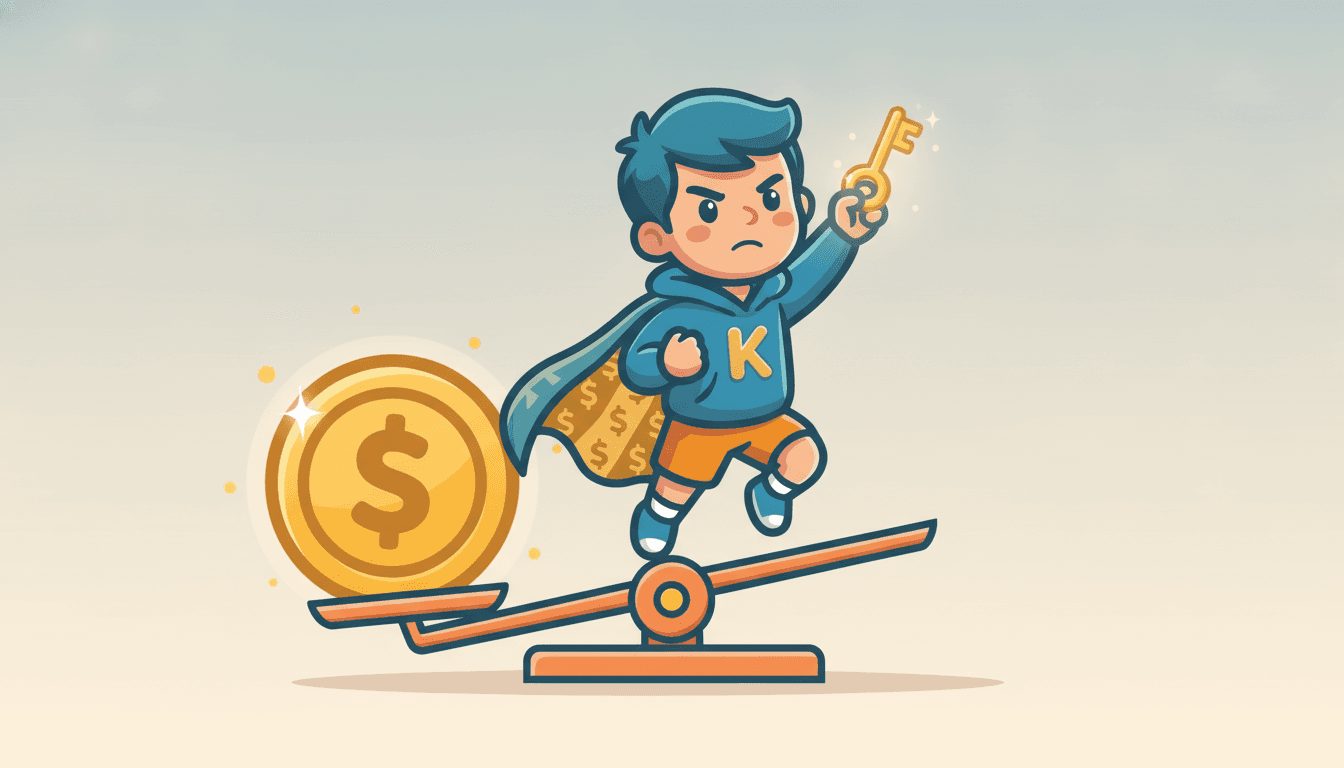
Big Fine for Big Tech: What Happens When Rules Are Broken?
Meta just got hit with a huge fine! Learn how rules protect your money and why it's important to play fair online.
Inspired by: Meta ordered to pay $25B penalty in New Mexico Cambridge Analytica case
Did you hear about the big news today? A company called Meta, which owns apps like Facebook and Instagram, was ordered to pay a whopping $25 billion penalty in a case involving something called Cambridge Analytica. That's billion with a 'B'! It's a huge amount of money, and it’s a big deal because it shows what can happen when rules are broken, especially when it comes to your personal information online.
You might be thinking, "What does this have to do with my allowance or saving for a new video game?" Well, a lot, actually! This story is a perfect example of why rules exist, what happens when they're ignored, and how important it is to protect your own "personal economy" – which includes your money and your information.
Rules Keep Things Fair
Imagine you're playing a board game with your friends. If someone keeps cheating, taking extra turns, or stealing money from the bank, it wouldn't be fun anymore, right? Eventually, everyone would stop playing. That's why games have rules, and why there are consequences if you break them.
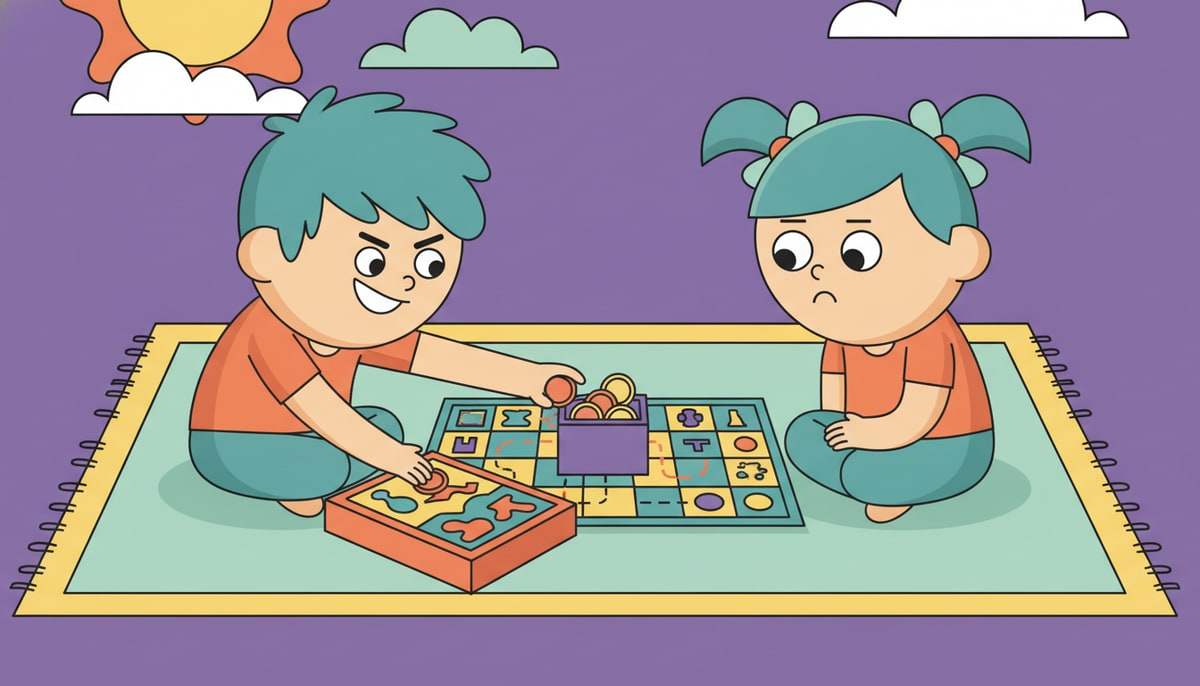
The same goes for the real world, especially with big companies. There are rules about how companies can collect and use your information. These rules are there to protect you. When a company breaks those rules, like Meta was found to have done, it can have serious consequences, not just for the company, but for the people whose information was misused. That $25 billion fine is a consequence – a very, very big one!
Your Information Has Value
This might sound strange, but your personal information – things like your name, where you live, what you like to do, and even what you search for online – actually has value. Companies use this information to understand what products you might want to buy, or what ads to show you.
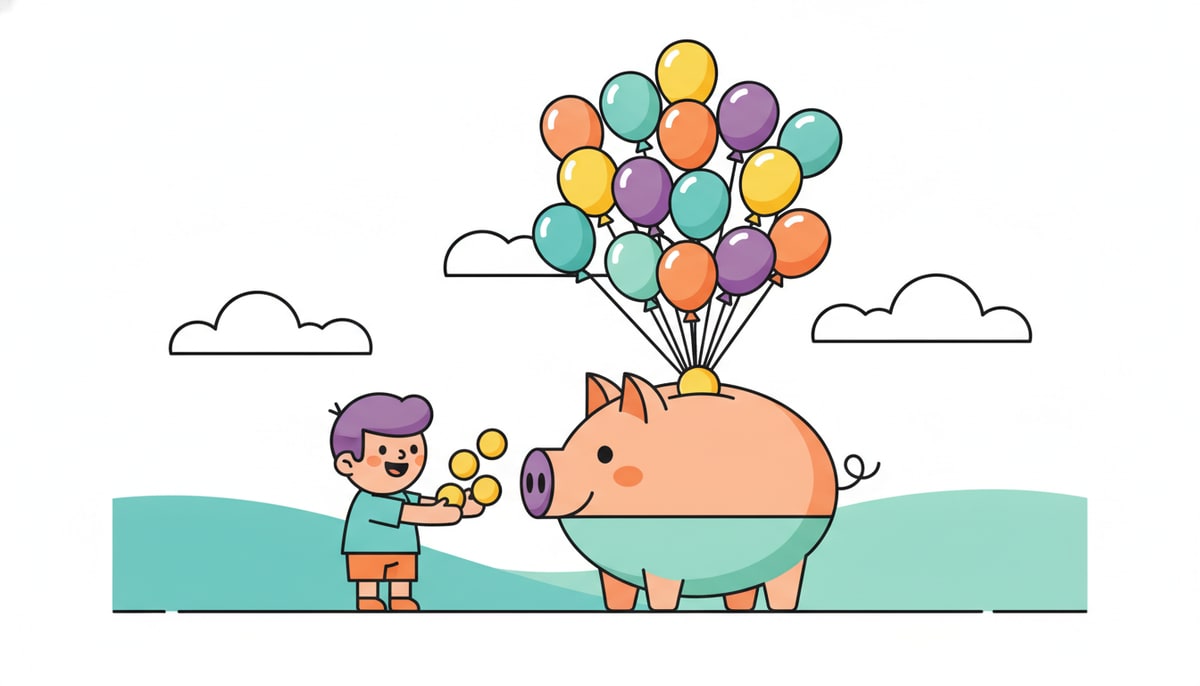
Think of it like this: if you have a secret recipe for the best cookies ever, you wouldn't just give it to anyone, right? You'd protect it because it's valuable. Your personal data is similar. When you use apps or websites, you're often sharing parts of your "data recipe." It's important to understand what you're sharing and who you're sharing it with.
How to Protect Your "Data Money"
Even though you might not be running a big tech company, you can still learn from this story. Here are a few ways to protect your own information, which is a bit like protecting your money:
- Read the fine print (with a grown-up): When you sign up for new apps or games, they often have "terms and conditions." These are the rules! It's super boring, but ask a parent to help you skim them to understand what information the app collects.
- Think before you share: Before you post a picture, share your location, or give out personal details online, pause and think: "Do I really want everyone to know this?" Once it's online, it's very hard to take back.
- Use strong passwords: Just like you'd lock up your money in a piggy bank, use strong, unique passwords for all your online accounts. Don't use your birthday or "password123"!
- Be careful with quizzes and games: Many online quizzes or games ask for personal details. Sometimes these are just for fun, but sometimes they're trying to collect your information. If something feels fishy, ask a parent.
This huge fine for Meta reminds us that rules matter, and breaking them has big consequences. It also teaches us that our personal information is valuable and needs to be protected, just like our hard-earned money. Being smart about what you share online is a key part of being smart with your "personal economy" in today's digital world.
P.S. This week, sit down with your kids and talk about a favorite app or game they use. Help them find the privacy settings and discuss what information the app is asking for. It's a great way to make the abstract idea of "data" feel more real and actionable!
Stay in the loop
We ship new free guides, printables, and the occasional deal — roughly twice a month. No spam, unsubscribe anytime.
Three streams available: 30-day welcome series, biweekly newsletter, and (opt-in) daily blog posts. Pick which you want after signing up. One click to unsubscribe from any.