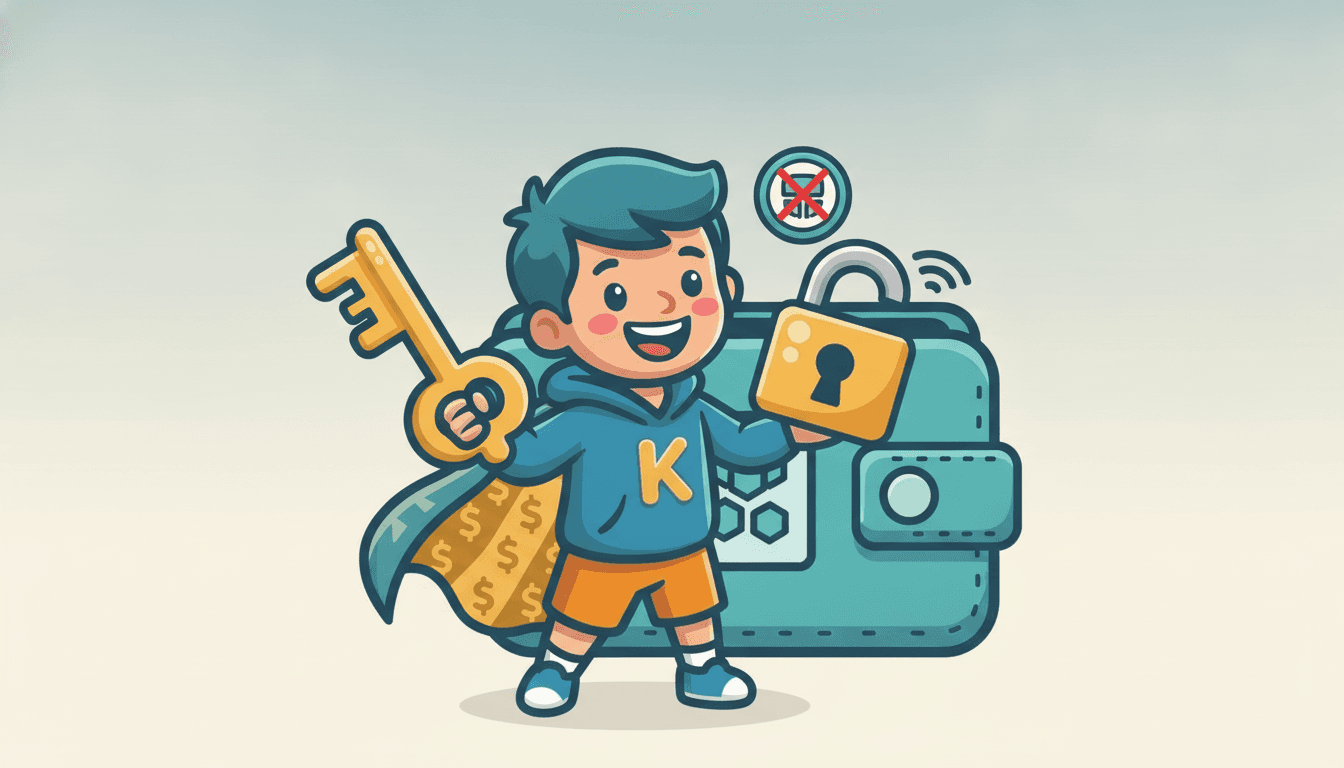
Crypto Wallets & Spy Chips: Protecting Your Digital Piggy Bank
Learn how a real-world tech scare about crypto wallets can teach kids important lessons about keeping their digital money safe.
Inspired by: Ledger confirms spy chip implant behind wallet crypto thefts
Have you ever imagined your piggy bank suddenly having a secret trapdoor? Or maybe a tiny spy sneaking in to grab a few coins when you're not looking? Well, something a little like that just happened in the world of digital money, and it’s a great reminder for all of us, even kids, about keeping our money safe.
You might have seen the news that "Ledger confirms spy chip implant behind wallet crypto thefts." This sounds super high-tech, and it is! Ledger makes special hardware wallets – think of them like a super secure USB stick – that people use to store their cryptocurrency, like Bitcoin or Ethereum. The idea is that these physical wallets keep your digital money extra safe from online hackers.
But recently, some people who use these wallets found their crypto was mysteriously disappearing. It turned out there was a tiny, hidden "spy chip" implanted in some of these wallets. This chip could potentially steal information and give someone access to your digital funds without you even knowing it. Pretty scary, right?
Your Digital Piggy Bank Needs Protection
Now, most kids aren't dealing with cryptocurrency just yet, but this story teaches us a really important lesson about any kind of money, especially in our increasingly digital world: you have to protect it.
Think about it:
- Your online gaming currency: If you play games like Roblox or Minecraft, you might have Robux or Minecoins. These are digital forms of money you earn or buy. Just like real money, you wouldn't want someone to steal them!
- Gift cards: Ever gotten a gift card for your birthday? Those are like digital money too. You keep them safe, right? You wouldn't leave the code lying around for anyone to see.
- Future savings: As you get older, you'll likely have a bank account, use apps to pay for things, or even have your own digital wallet on your phone.
The Ledger story shows us that even with something designed to be super secure, you still need to be careful and understand the risks.
What Can You Do to Be Smart with Your Money?
- Be Skeptical (in a good way!): If something seems too good to be true online, it probably is. Someone offering you free Robux for your password? Nope! That's a scam. Always question things that feel "off."
- Strong Passwords are Your Superpower: This is like locking your physical piggy bank with a really tricky lock. Use different passwords for different things, and make them long and complicated (mix of letters, numbers, and symbols). Never share them!
- Two Locks are Better Than One (Two-Factor Authentication): Many online accounts now offer "two-factor authentication" (2FA). This means even if someone knows your password, they still need a second thing – like a code sent to your parent's phone – to get in. It's like having a second key for your piggy bank that only your parents have.
- Ask for Help: If you ever get an email, message, or see something online that makes you worried about your money or accounts, always talk to a trusted adult. Your parents, guardians, or another grown-up can help you figure out if it's safe.
- Understand Where Your Money Lives: Whether it's in a physical piggy bank, a bank account, or digital currency in a game, know how it's stored and what measures are in place to keep it safe.
The world of money is changing, and more of it is becoming digital. Learning how to protect it now, even with small things like game currency, will help you be super smart with your money when you're older and dealing with bigger amounts. Just like you wouldn't leave your real wallet on a park bench, you shouldn't leave your digital money vulnerable either!
P.S. Parents, this week, sit down with your kids and review any online accounts they use that involve virtual currency or personal information. Talk about strong passwords and enable two-factor authentication wherever possible. It's a great practical step to reinforce digital security.
Stay in the loop
We ship new free guides, printables, and the occasional deal — roughly twice a month. No spam, unsubscribe anytime.
Three streams available: 30-day welcome series, biweekly newsletter, and (opt-in) daily blog posts. Pick which you want after signing up. One click to unsubscribe from any.