Deepfakes and Your Dough: Spotting Scams Online
Learn how to spot deepfake scams and protect your money online, inspired by Mark Cuban's recent comments about Facebook.
Inspired by: Cuban: Facebook knowingly runs AI deepfake scam ads; docs say $16B fraud revenue
Have you ever seen a video or picture online that looks super real, but something just feels a little… off? Maybe it’s a famous person saying something you’d never expect, or an advertisement that seems too good to be true. Well, today, there’s a big story buzzing around Hacker News about Mark Cuban, a famous investor, and how he’s saying Facebook (now Meta) is letting "AI deepfake scam ads" run wild. He even suggested these scams could be raking in billions of dollars! That's a huge number, and it means a lot of people might be getting tricked out of their hard-earned money.
What's a Deepfake, Anyway?
Imagine you have a super-smart computer program that can take someone’s face and voice and make it look and sound like they’re doing or saying anything you want. That’s a deepfake
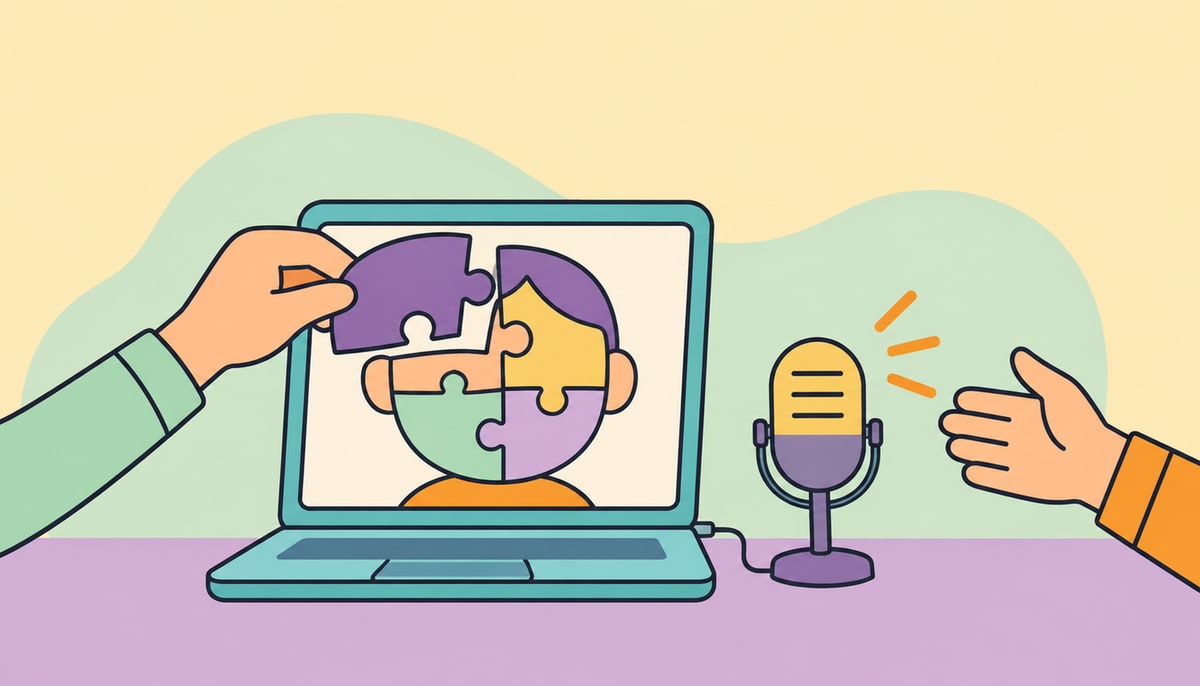 ! It’s like a super-advanced puppet show, but instead of strings, they use artificial intelligence (AI). While deepfakes can be used for fun or creative projects, unfortunately, some people use them to trick others.
Think about it: if you saw your favorite YouTuber or even a trusted grown-up in a video telling you to click a link or send money to a certain place, you might believe them, right? That’s exactly what scammers are hoping for. They use these realistic-looking videos to create fake ads or messages that try to convince you to give away your money or personal information.
Your Money and Online Safety
This story about deepfakes isn't just for grown-ups. As you spend more time online, whether you're watching videos, playing games, or chatting with friends, it's super important to be smart about what you see and hear. Scammers don't just target adults; they often try to trick kids too, especially with things like fake game upgrades, "free" Robux, or promises of rare items.
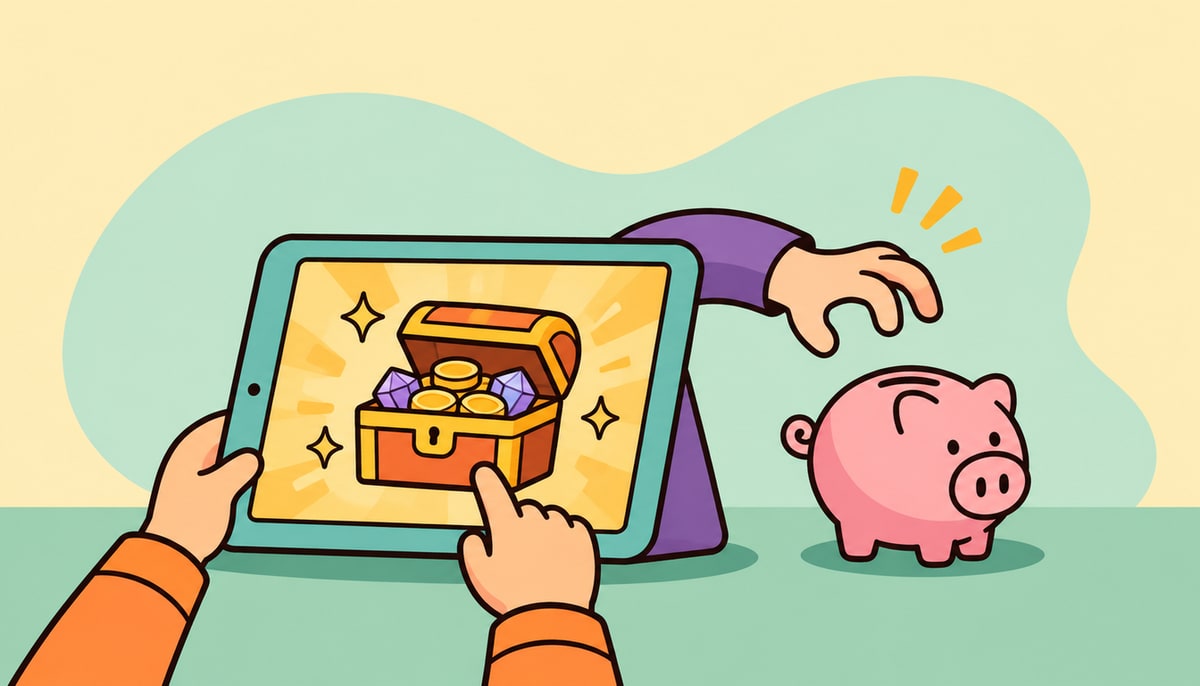
Here’s why this matters for your money:
- Fake Offers: A deepfake ad might promise you an amazing deal on a toy or game that doesn't exist, just to get your parents' credit card information.
- Impersonation: Someone might use a deepfake to pretend to be a friend or family member asking for money in an emergency.
- "Free" Traps: Many scams promise something for free, but then ask for personal details or a small payment that leads to bigger problems.
How to Be a Deepfake Detective
You don’t need to be a tech wizard to spot a deepfake. Here are some detective tips:
- Trust Your Gut: If something feels too good to be true, it probably is. Does that person in the video sound exactly right? Do their lips match the words perfectly?
- Look for Oddities: Sometimes deepfakes have little glitches – a strange blink, an unnatural movement, or a voice that sounds a bit robotic.
- Check the Source: Where did you see this video or ad? Is it from a trustworthy website or a random link someone sent you?
- Ask a Grown-Up: If you're ever unsure about something you see online, the best thing to do is ask a parent, guardian, or another trusted adult. They can help you figure out if it's real or a trick.
- Never Share Personal Info: Your name, address, phone number, and especially your parents' credit card details are private. Never share them with anyone online unless a trusted adult says it's okay and you know exactly what you're doing.
Learning to be careful and smart online is like building a strong money-saving habit. It helps you protect what you have and avoid losing it to sneaky tricks. So, next time you’re scrolling, remember to be a deepfake detective and keep your money safe!
P.S. This week, sit down with your kids and watch a few short, fun videos online together. Point out some "red flags" you might see in fake ads or content (even if they're not deepfakes yet!) and talk about why it's important to question what you see and hear online, especially when money is involved.
Stay in the loop
We ship new free guides, printables, and the occasional deal — roughly twice a month. No spam, unsubscribe anytime.
Three streams available: 30-day welcome series, biweekly newsletter, and (opt-in) daily blog posts. Pick which you want after signing up. One click to unsubscribe from any.