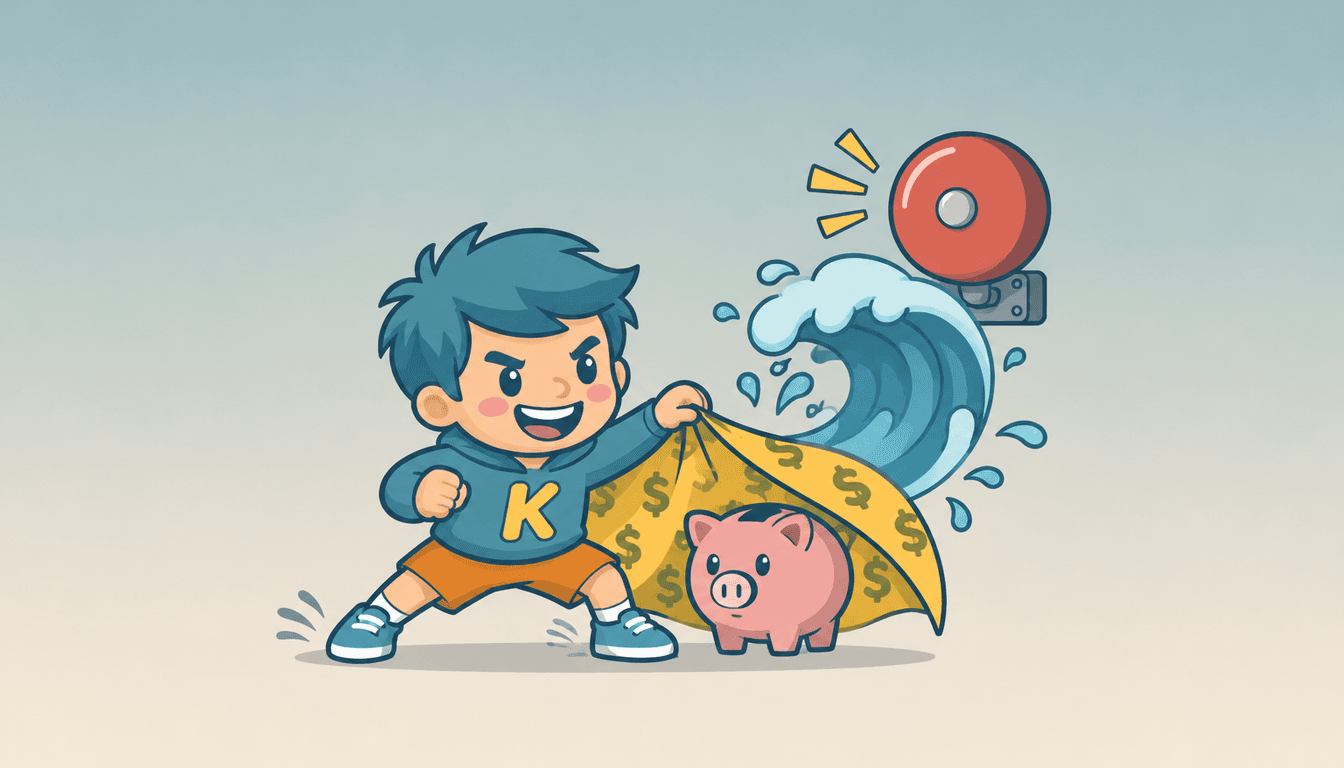
False Alarms & Real Money: What Data Centers Teach Us
A false alarm almost flooded a giant computer center! Learn how unexpected events can cost big money and why planning ahead is smart.
Inspired by: United Airlines bans AI agents from booking flights on behalf of travelers
Imagine a huge building filled with super-powerful computers that run a lot of the internet. We're talking about places called "data centers." They're like giant brains for all our online games, videos, and websites. Now, imagine a tiny mistake – like a false smoke alarm – nearly causing that entire building to be flooded! That's exactly what happened recently at a big company's data center in New York City, according to a story on Hacker News. A false alarm almost triggered a massive water release, which would have been a huge problem.
This might sound like a story just for grown-ups who work with computers, but it actually has a super important money lesson for kids of all ages.
Unexpected Problems Cost Money
Think about it: if that data center had actually flooded, it wouldn't just be a little puddle. It would mean broken computers, lost information, and a ton of money spent to fix everything. They'd have to buy new equipment, pay people to clean up, and maybe even lose customers because their services were down. All because of one little false alarm
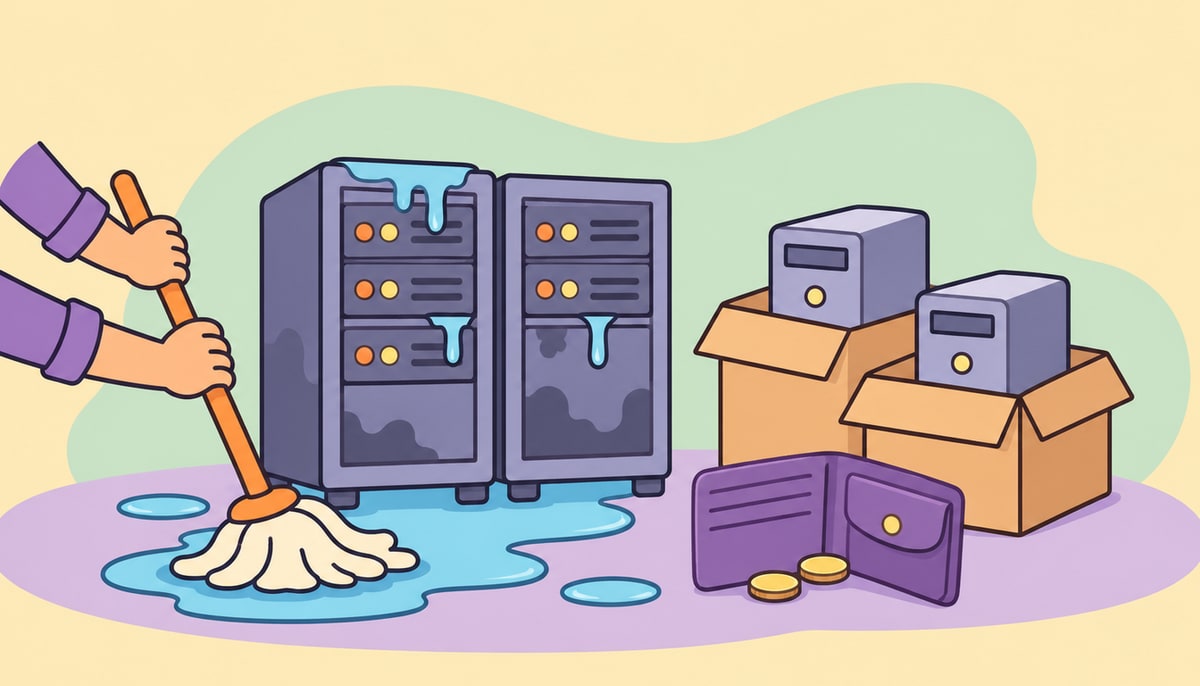 !
This is a great example of how unexpected problems can suddenly cost a lot of money. It’s not just big companies either. Maybe your bike gets a flat tire, or your favorite toy breaks and needs a new part. These are small unexpected problems, but they still have a cost.
The Power of Being Prepared
So, what can we learn from this near-disaster? Being prepared is key
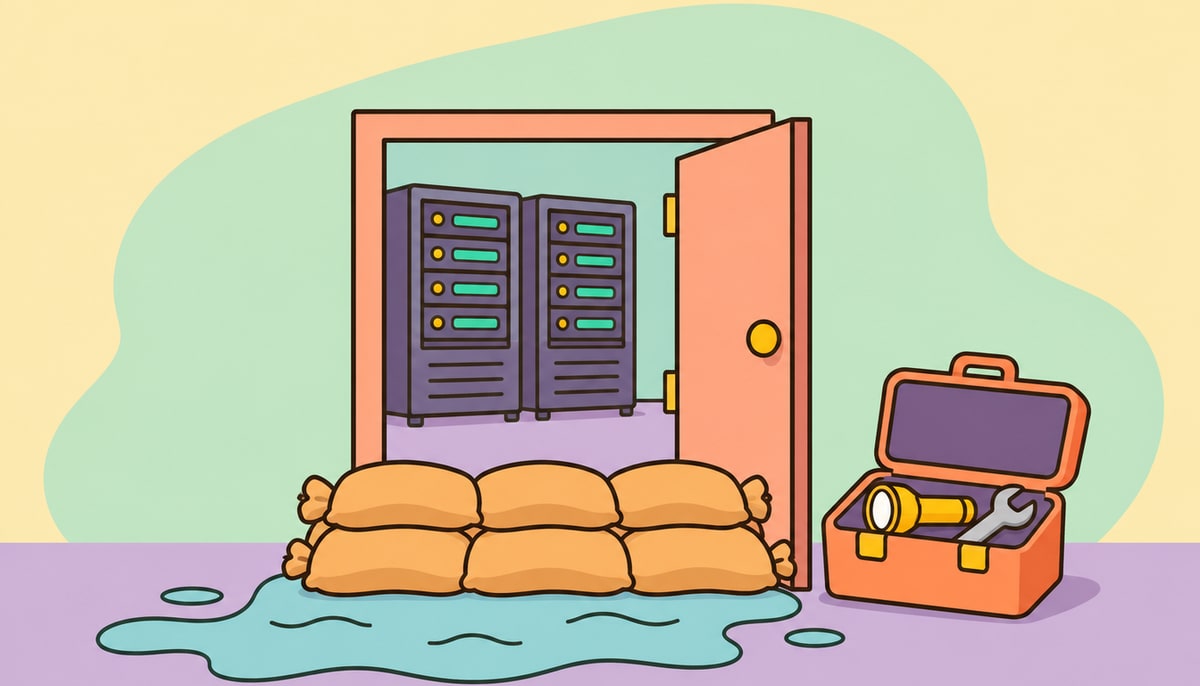 ! Data centers have lots of plans in place for emergencies – they have backup systems, emergency shut-offs, and people ready to act fast. Even though this was a false alarm, their systems were designed to react.
For you, being prepared means a few things:
- Emergency Fund (for Kids!): You might not have a giant data center, but you can have a mini "emergency fund." This is a little bit of money you save specifically for unexpected things. Maybe your friend invites you to an impromptu movie, or you accidentally break something and want to replace it. Having a small stash of "just in case" money means you don't have to ask your parents or miss out.
- Thinking Ahead: What if your favorite game console suddenly stopped working? Would you be able to buy a new one right away? Probably not. But if you've been saving a little bit each week, you'd be much closer to getting it fixed or replaced. It's about thinking: "What could happen, and how can I be ready?"
- Taking Care of Your Stuff: One of the best ways to avoid unexpected costs is to take good care of what you have! If you keep your toys organized, put your bike away safely, and handle your electronics carefully, they're less likely to break, which saves you money in the long run.
Why Even Small Savings Matter
Imagine if the data center had just shrugged and said, "Nah, we don't need all those expensive safety systems." The cost of a real flood would have been astronomical! Similarly, even saving a few dollars here and there can make a huge difference when something unexpected pops up in your life. It gives you choices and reduces stress.
So, the next time you hear about something going wrong, whether it's a false alarm at a data center or a small mishap at home, think about the money lesson: unexpected things happen, but being prepared with a little bit of savings can save you a lot of trouble (and money!) in the end.
P.S. This week, talk with your child about one small "emergency" they might encounter (like a lost pencil case or a broken toy) and brainstorm how having a tiny "just in case" fund could help. Maybe they can start saving a quarter a week towards it!
Stay in the loop
We ship new free guides, printables, and the occasional deal — roughly twice a month. No spam, unsubscribe anytime.
Three streams available: 30-day welcome series, biweekly newsletter, and (opt-in) daily blog posts. Pick which you want after signing up. One click to unsubscribe from any.