Roller Coaster Safety: Fun, Money, & Making Good Choices
A major theme park is adding seat belts to rides. What does this mean for safety, fun, and how businesses spend their money?
Inspired by: Six Flags to Add Seat Belts to Rides Following Death - WSJ
Have you ever been on a roller coaster? That stomach-flipping, wind-in-your-hair rush is amazing! But what happens when something goes wrong? A big story in the news today from the Wall Street Journal says that Six Flags, a huge theme park company, is adding seat belts to its rides after a recent accident. This is a big deal, and it makes us think about more than just safety – it also connects to money!
Why Companies Spend Money on Safety
Imagine you own a theme park. Your main goal is for people to have fun and come back again and again. But you also have a huge responsibility to keep everyone safe. When an accident happens, like the one that led Six Flags to add new seat belts, it's a very serious situation.
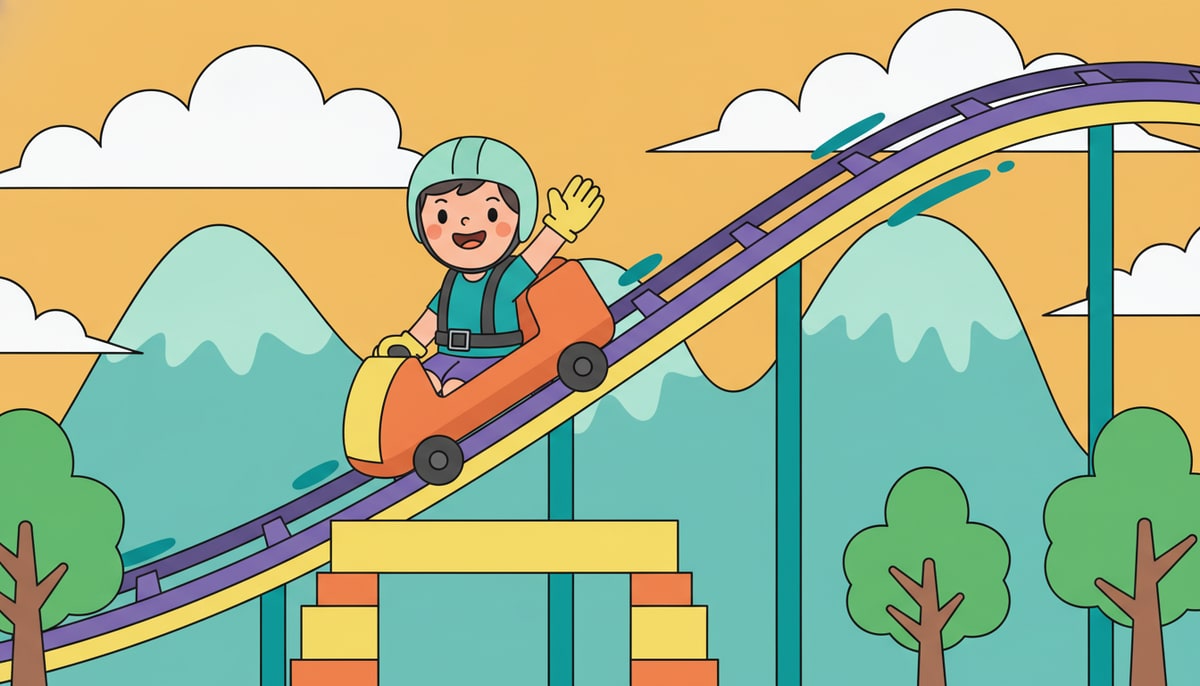
For a company, fixing safety problems costs money. A lot of money! They have to buy new parts (like thousands of seat belts!), hire people to install them, and maybe even close rides temporarily for inspections. Why do they do it? Because it's the right thing to do, of course, but also because safety is good for business! If people don't feel safe, they won't visit the park. And if they don't visit, the park doesn't make money. It’s a classic example of investing in your business to protect your customers and your future earnings.
The Cost of Things Going Wrong
Think about it like this: if you accidentally break your friend's toy, you might have to spend some of your allowance to replace it. Or maybe you have to do extra chores to earn money to fix it. That's a "cost" of something going wrong. For a big company, the costs are much bigger. Besides buying new equipment, they might face lawsuits, pay fines, and lose customers. All of these things hit their bank account hard.
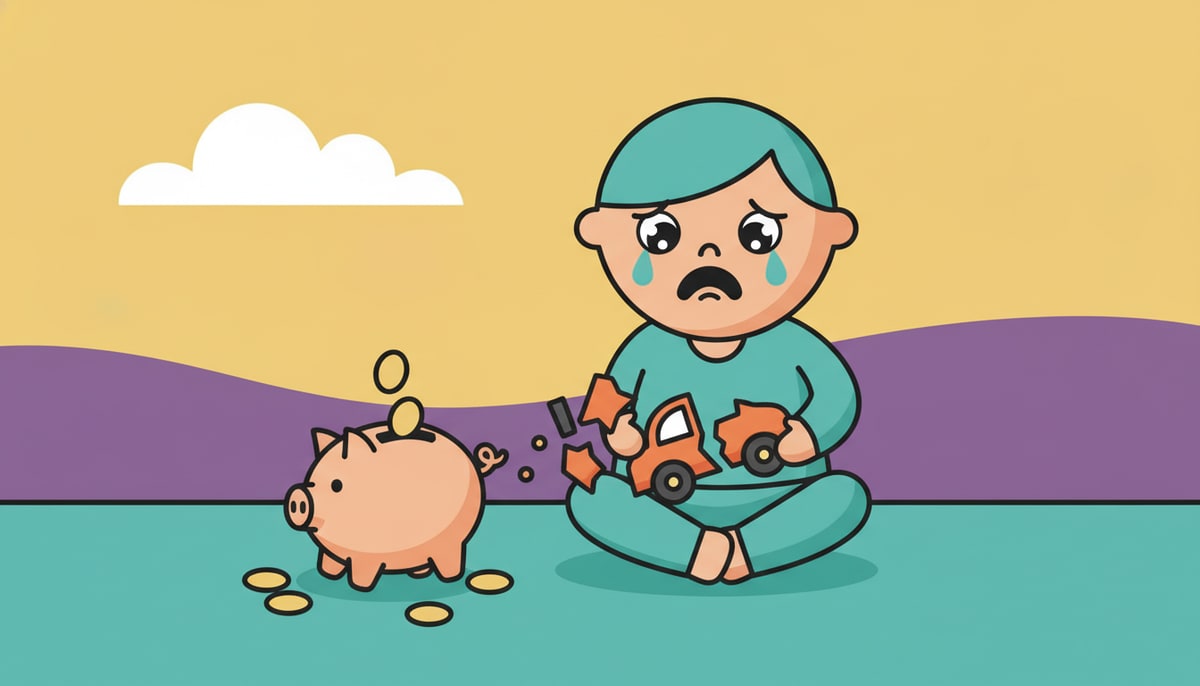
This situation shows us that sometimes, spending money on prevention (like regular maintenance or extra safety features) can save a lot more money in the long run. It's like how buying a good helmet for your bike might seem expensive, but it's a much smaller cost than a trip to the emergency room if you have an accident.
Making Smart Choices with Your Money
Even for kids, thinking about safety and money goes hand-in-hand. Let's say you're saving up for a new skateboard. You could buy the cheapest one you find, but what if it's not very sturdy or safe? Or maybe it breaks quickly, and you have to buy another one sooner. Sometimes, spending a little more money upfront for something that is better quality and safer can actually save you money and headaches later on.
It’s all about making smart choices. When you buy things, do you think about how long they will last? Or if they are safe to use? Sometimes the "cheapest" option isn't always the best value when you consider quality, safety, and how long it will last.
The Ripple Effect
When a big company like Six Flags makes a change like this, it can have a "ripple effect." Other theme parks might look at their own safety features and decide to upgrade too. Or new rules might even be made for all amusement parks. This means that one company's decision about how to spend its money on safety can actually make things better and safer for everyone who loves roller coasters!
So, next time you're thinking about buying something, or even just noticing a safety feature like a seat belt, remember that there's usually a whole story about money, choices, and responsibility behind it.
P.S. This week, talk with your kids about a time they chose to spend a little more money on something because it was safer or better quality. Was it worth it?
Stay in the loop
We ship new free guides, printables, and the occasional deal — roughly twice a month. No spam, unsubscribe anytime.
Three streams available: 30-day welcome series, biweekly newsletter, and (opt-in) daily blog posts. Pick which you want after signing up. One click to unsubscribe from any.