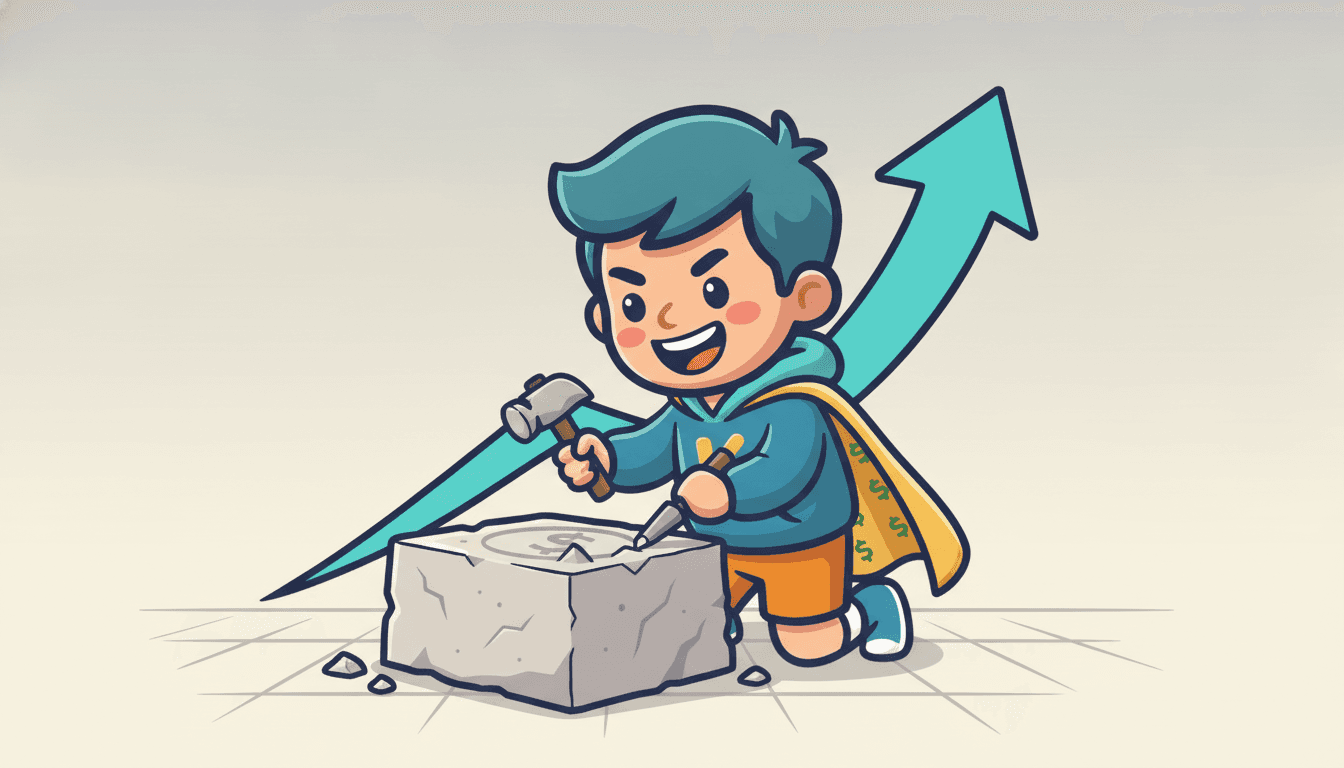
Stone Carving & Your Savings: What's the Big Deal?
Have you ever seen something beautiful carved from stone? It takes time, skill, and some serious tools. Let's talk about the money behind it!
Inspired by: The Grid, a factory-scale robot in Massachusetts that builds PCBs on demand
Have you ever seen a fancy statue, a cool garden bench, or even just a beautifully engraved stone? It’s pretty amazing how someone can take a big, plain rock and turn it into something special. Today, we saw a lot of buzz online about "CNC Stone Carving" – that’s a super cool way that computers and machines help carve stone with incredible detail. It’s not just about what you can make, but also about the value behind it.
Think about it: turning a block of stone into a work of art or a useful object isn't easy. It takes special tools, a lot of skill, and a good chunk of time. And guess what? All of those things cost money!
The Value of Skill and Tools
When you see a CNC stone carving machine at work, it’s using powerful, precise tools that can cut and shape stone. These machines are expensive to buy, expensive to maintain, and they need people who know how to program them and keep them running. It’s not just the machine itself, but the knowledge to use it that creates value.
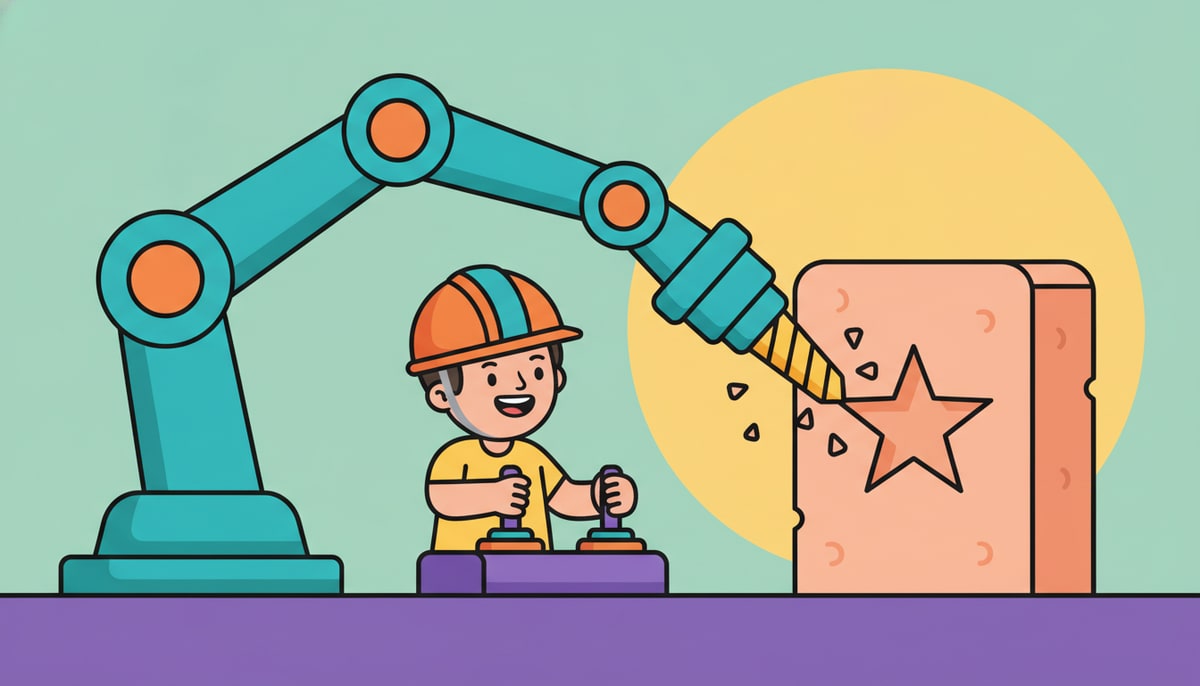
Let's say you want to build a really cool LEGO castle. You need the LEGO bricks (your "materials"), and you need your hands and your brain to put them together (your "skill" and "tools"). If you wanted to build an even bigger, more complicated castle, you might need more bricks, maybe some special tools to help you connect them, and definitely more time and patience.
The same goes for carving stone. The raw stone itself has a cost, and then you add the cost of the specialized machines, the electricity to run them, and the experts who design the carvings and operate the equipment. All these things add up to the final price of the carved stone object.
Why Does This Matter for Your Money?
This idea of skill, tools, and time adding value is super important when we think about money.
-
Skills are valuable: Just like the person who knows how to operate a CNC stone carving machine, people with unique skills can often earn more money. Whether it’s being a great baker, a fantastic soccer coach, or someone who can fix computers, developing skills makes you more valuable in the world. As you get older, think about what skills you enjoy learning – they might just be your future superpower!
-
Tools make things possible (but cost money): From a simple pencil to a giant carving machine, tools help us get things done. But tools cost money to buy and maintain. If you want to start a lemonade stand, your cups, lemons, and sugar are your "tools" and "materials." You have to pay for those before you can make any money. This is why saving up for things you need to achieve a goal is so important.
-
Time is money: It takes time to carve stone, whether it's by hand or with a machine. And time is a valuable resource. If someone spends hours working on something, they expect to be paid for that time. This is a big reason why things cost what they do. When you're thinking about buying something, consider how much time and effort went into making it.
So, the next time you see something beautiful made from stone, or anything really, take a moment to think about all the different ingredients that went into making it: the materials, the tools, the skills, and the time. All of these things have a cost, and understanding that helps you understand where money comes from and where it goes. It helps you appreciate the value of things, not just their price tag.
P.S. This week, talk with your kids about a hobby or activity they enjoy. What "tools" do they need for it (even simple ones like paper and crayons)? How much time do they spend on it? Help them connect the dots between effort, materials, and the value of what they create.
Stay in the loop
We ship new free guides, printables, and the occasional deal — roughly twice a month. No spam, unsubscribe anytime.
Three streams available: 30-day welcome series, biweekly newsletter, and (opt-in) daily blog posts. Pick which you want after signing up. One click to unsubscribe from any.