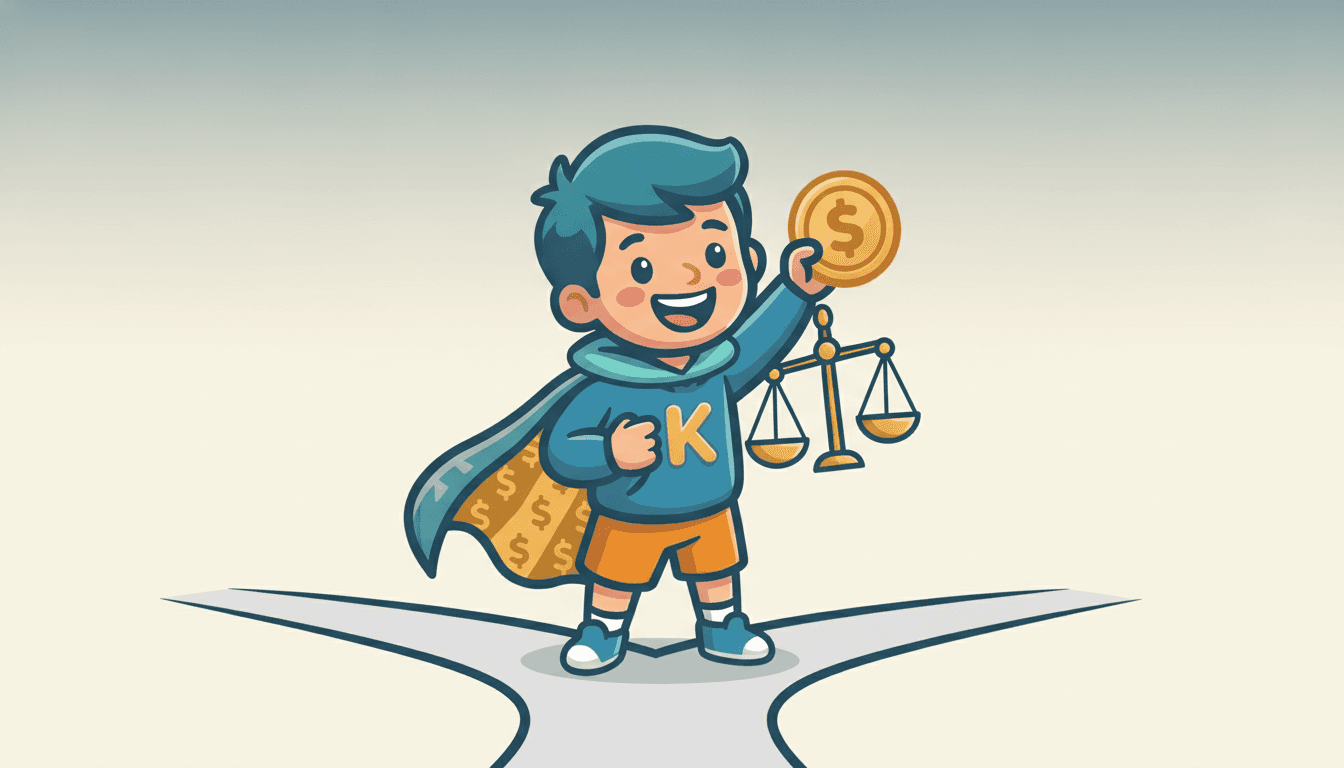
The Trolley Problem: Hard Choices & Your Money
Explore the classic 'Trolley Problem' and discover how thinking about tough choices can help kids make smart money decisions.
Inspired by: What I self-host
Have you ever heard of the "Trolley Problem"? It's a classic thought experiment that's making the rounds on Hacker News today with "Jev meets the Trolley Problem." Basically, imagine a runaway trolley heading towards five people tied to the tracks. You're standing next to a lever. If you pull the lever, the trolley switches to a different track, but there's one person tied to that track. What do you do?
It's a really tough choice, right? There's no easy answer, and people have debated it for years. While we hope you never have to face a real-life trolley problem, thinking about these kinds of difficult choices can actually teach us a lot about money.
When Money Decisions Get Tricky
Sometimes, making money decisions feels a bit like the Trolley Problem. You have a limited amount of money, and you have to choose how to spend it. But every choice means you can't spend it on something else.
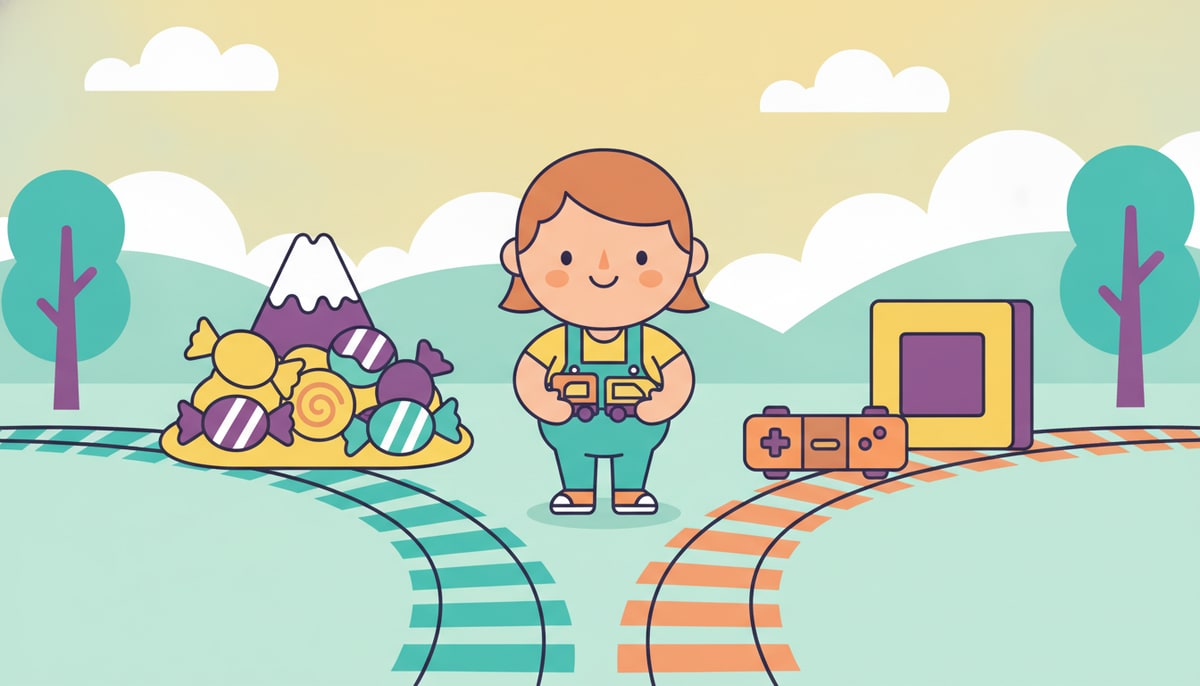
For example, let's say you've been saving up for a new video game (Track A, with five "wants"). But then your friend invites you to a really cool concert next month, and you realize you could use that money for a ticket instead (Track B, with one "want"). Both are fun! Both cost money! Which one do you choose?
Or maybe you're trying to decide between buying a new pair of cool sneakers (a "want") or putting that money towards a new backpack for school (a "need"). The sneakers might feel more exciting right now, but the backpack might be more important for later.
What Are Your Money Values?
The Trolley Problem is all about deciding what's most important to you in a really tough situation. When it comes to your money, it's the same
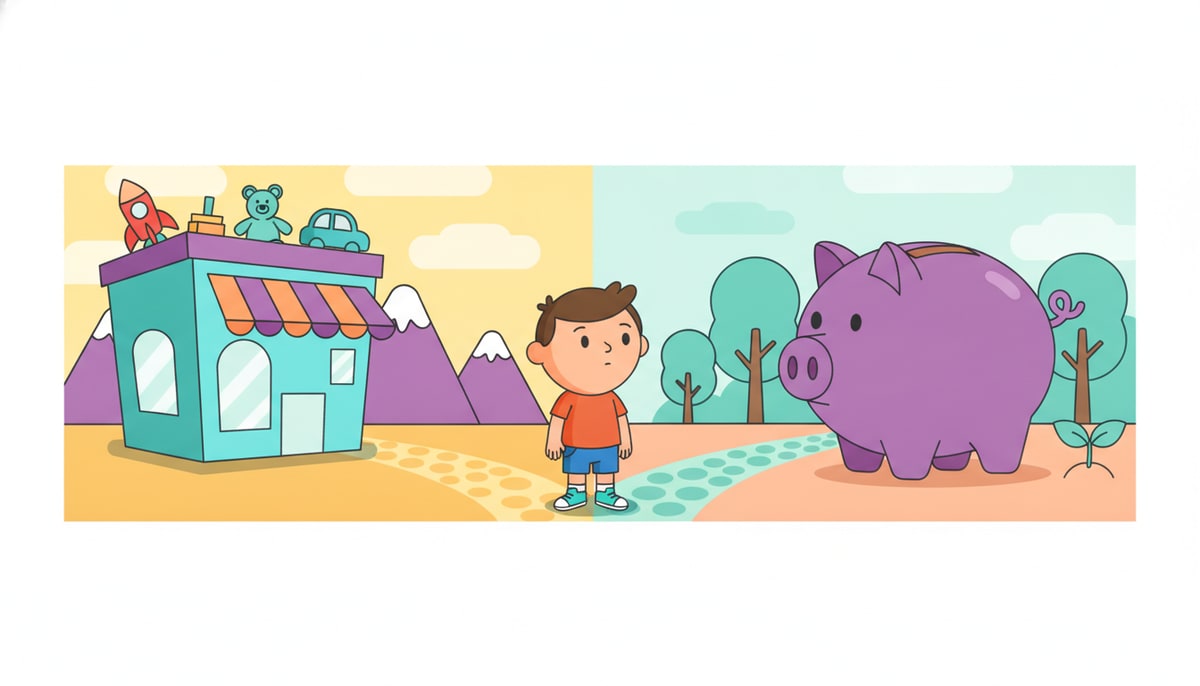 ! Thinking about your "money values" can help you make these hard choices.
Ask yourself:
- What's most important to me right now? Is it having fun with friends, or getting something I've wanted for a long time?
- What will make me happier in the long run? Will that new toy be exciting for a day, or will saving up for a bigger goal bring lasting happiness?
- What do I really need versus what I just want? Needs usually come first!
There's no single "right" answer for everyone. What's important to one kid might be different for another. The key is to think about it, instead of just spending without a plan.
Thinking Ahead, Not Just Now
One of the big lessons from the Trolley Problem is that sometimes you have to think about the consequences of your choices. With money, this means thinking beyond just today.
- If you spend all your allowance on candy today, what will happen when your friend wants to go to the movies tomorrow?
- If you save a little bit of money from each allowance, how much will you have in a month? What could you buy then?
Making smart money choices isn't always easy, and sometimes it means saying "no" to something fun now for something even better later. But by thinking through your options, just like people do with the Trolley Problem, you can start to make choices that really line up with what's important to you.
P.S. This week, try a mini "Trolley Problem" with your kids. Give them two small, appealing options that cost similar amounts (e.g., a comic book vs. two scoops of ice cream) and ask them to choose, explaining why they made their decision. It's a great way to start a conversation about values and trade-offs!
Stay in the loop
We ship new free guides, printables, and the occasional deal — roughly twice a month. No spam, unsubscribe anytime.
Three streams available: 30-day welcome series, biweekly newsletter, and (opt-in) daily blog posts. Pick which you want after signing up. One click to unsubscribe from any.