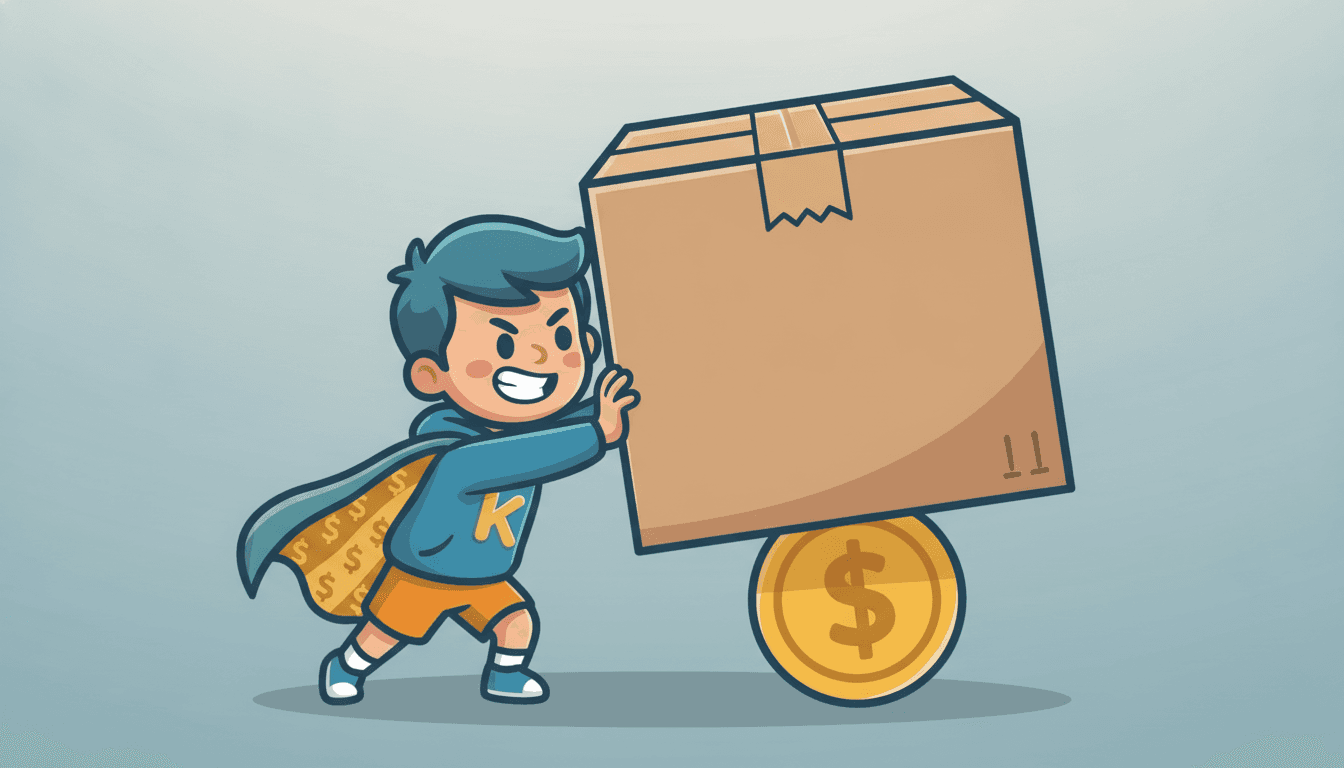
Amazon's Price Power: Why Shopping Around Still Matters
Ever wonder why prices seem to be going up everywhere? Learn how big companies like Amazon can influence what you pay.
Inspired by: Better HTTP/1 connection reuse in Go 1.27
You might have seen some buzz today about "How Amazon pushes up prices all across the Internet." It sounds a bit complicated, but it's actually super important for understanding how money works, even for kids! It's not just about Amazon selling things, but how their size and influence can affect prices on other websites too.
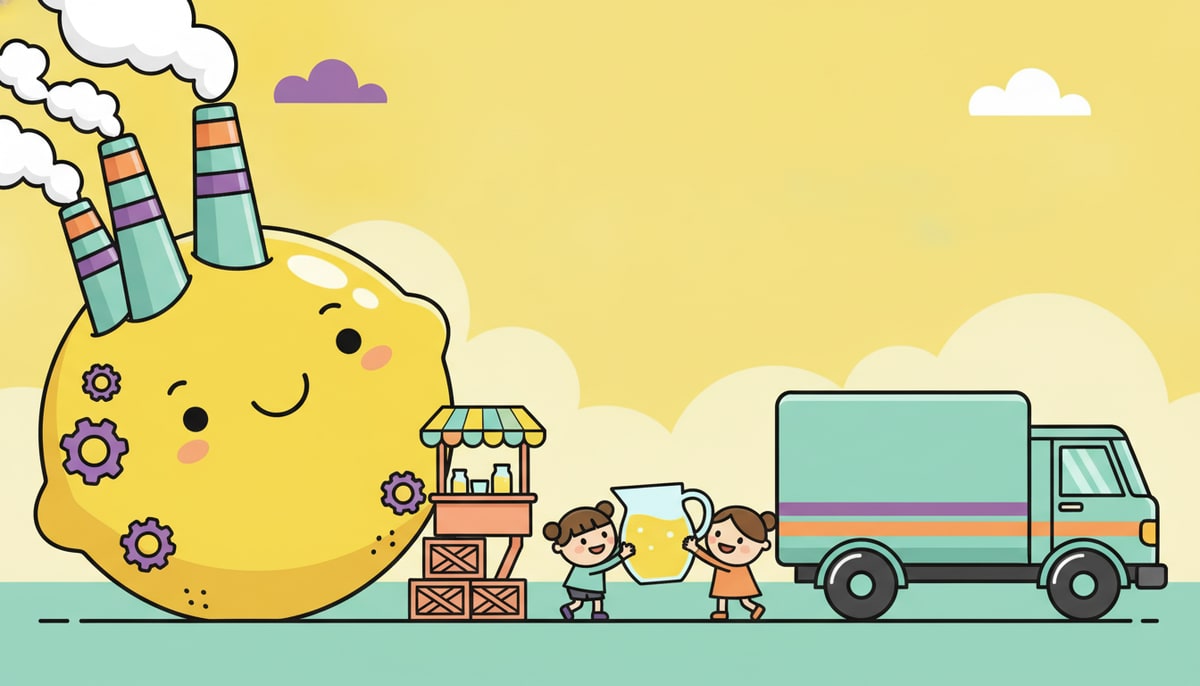
Imagine you're selling lemonade. If you're the only lemonade stand for miles, you can charge a bit more, right? But if suddenly a giant lemonade factory opens up next door and starts selling huge cups for super cheap, you might have to lower your prices to compete. That's competition! It's usually a good thing for shoppers because it keeps prices down.
The Giant in the Room
Now, flip that around. What if that giant lemonade factory became so big that everyone had to buy their lemons from them, or use their special delivery trucks? Even if you still had your small stand, the cost of your lemons or your delivery might go up because the giant factory controls so much. That's kind of what the experts are talking about with Amazon.
Amazon is a massive online store, and lots of other smaller businesses sell their products on Amazon. Amazon also has its own brands and services. Because it's so big and so many people use it, it has a lot of power. Sometimes, this power means that if Amazon raises its prices on certain items, other stores might feel like they can also raise their prices without losing too many customers. Or, if other stores want to sell on Amazon, they have to follow Amazon's rules, which can sometimes add to their costs, and those costs often get passed on to you, the shopper.
Why Comparison Shopping is Your Superpower
This is where you, as a smart money kid, come in
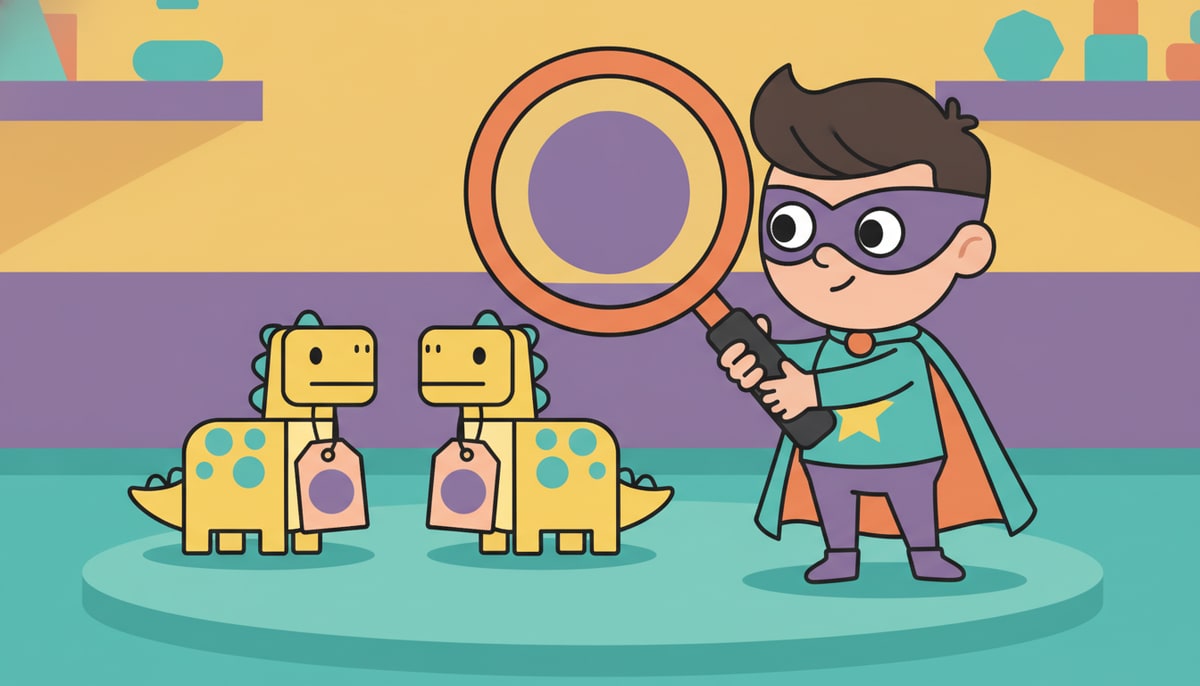 ! Even with big companies influencing prices, you still have the power to make smart choices. It's called "comparison shopping."
Think about it like this: If you want a new video game, do you just buy the first one you see? Probably not! You'd ask your friends, watch some videos, and maybe check out different stores to see who has the best deal. That's comparison shopping!
When you hear about big companies affecting prices, it’s a reminder that you shouldn't just assume the first price you see is the best price.
Be a Smart Detective!
- Look around: If you want a new toy, check the price at a few different stores, both online and in person. Sometimes, a smaller local store might have a better deal, or a different online retailer.
- Read reviews: Sometimes a slightly more expensive item lasts much longer, saving you money in the long run.
- Wait and watch: If it's not something you need right away, sometimes waiting for a sale or checking back in a few weeks can save you a lot. Prices can change!
- Ask questions: If you're shopping with a grown-up, ask them why they chose one store over another, or why they picked a certain brand. You might learn some cool money tips!
By being a smart comparison shopper, you're not just saving your own money; you're also helping to keep companies honest and competitive. You're showing them that you're paying attention, and that's a powerful thing!
P.S. This week, challenge your kids to comparison shop for a small item they want, like a book or a small toy. Help them look up prices at three different places online or in person. Discuss which option offers the best value and why.
Stay in the loop
We ship new free guides, printables, and the occasional deal — roughly twice a month. No spam, unsubscribe anytime.
Three streams available: 30-day welcome series, biweekly newsletter, and (opt-in) daily blog posts. Pick which you want after signing up. One click to unsubscribe from any.