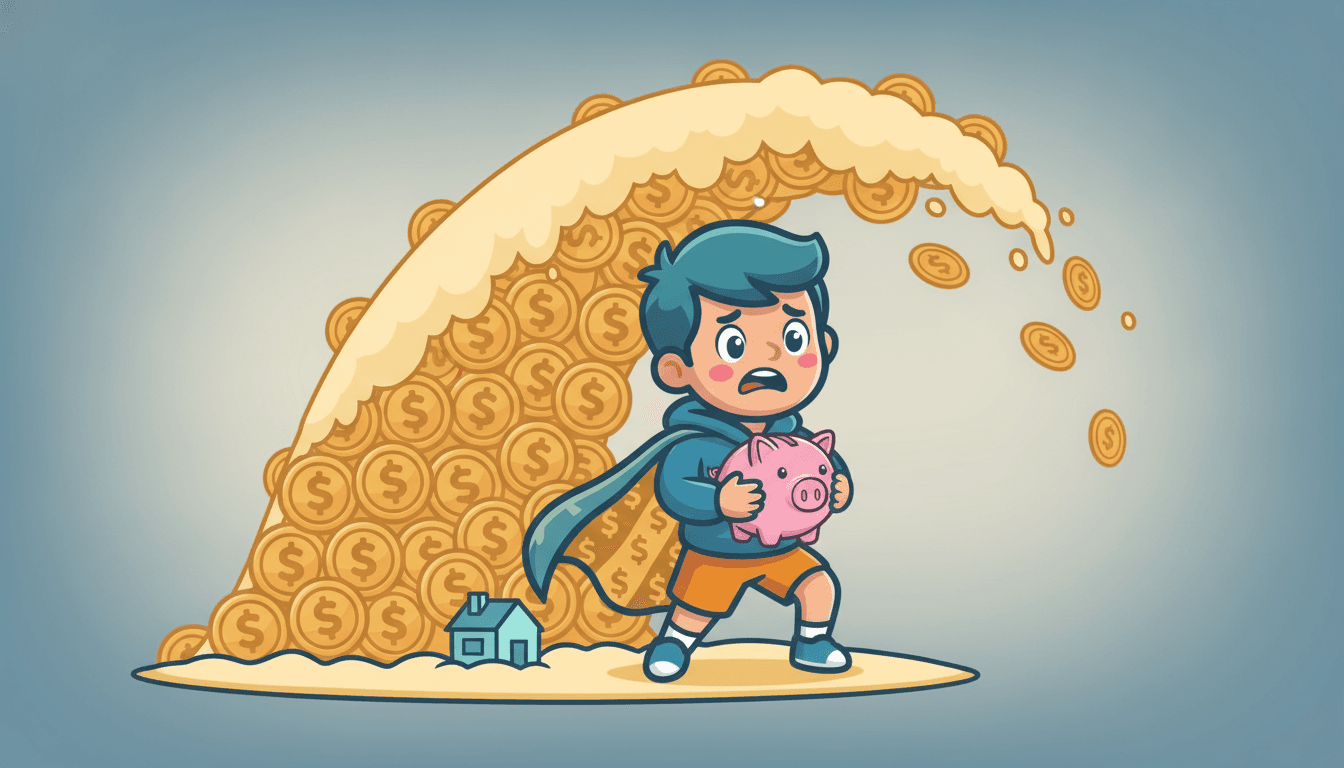
Beach Houses and Big Choices: When Nature Changes Plans
Why do houses fall into the ocean? Learn about the unexpected costs of living by the sea and how to plan for big changes.
Inspired by: People's houses are collapsing into the ocean. FEMA gives them no other option - NPR
Have you ever dreamed of living right by the ocean? Waking up to the sound of waves, feeling the sea breeze… sounds amazing, right? But what happens when the ocean decides to move in a little closer than you planned? A recent NPR story, "People's houses are collapsing into the ocean. FEMA gives them no other option," highlights a tough situation many homeowners are facing. Their homes, once safely on land, are now literally falling into the sea because of erosion and rising water levels.
Imagine saving up for years, buying your dream home, and then watching it slowly disappear. It’s a heartbreaking situation, and it brings up some really important money lessons for us, even for kids!
The Cost of Where You Live
When you're choosing where to live, or even just thinking about where you might want to live someday, there are more costs than just the price tag of the house. For these oceanfront homes, the beautiful view came with a hidden risk: the changing coastline.
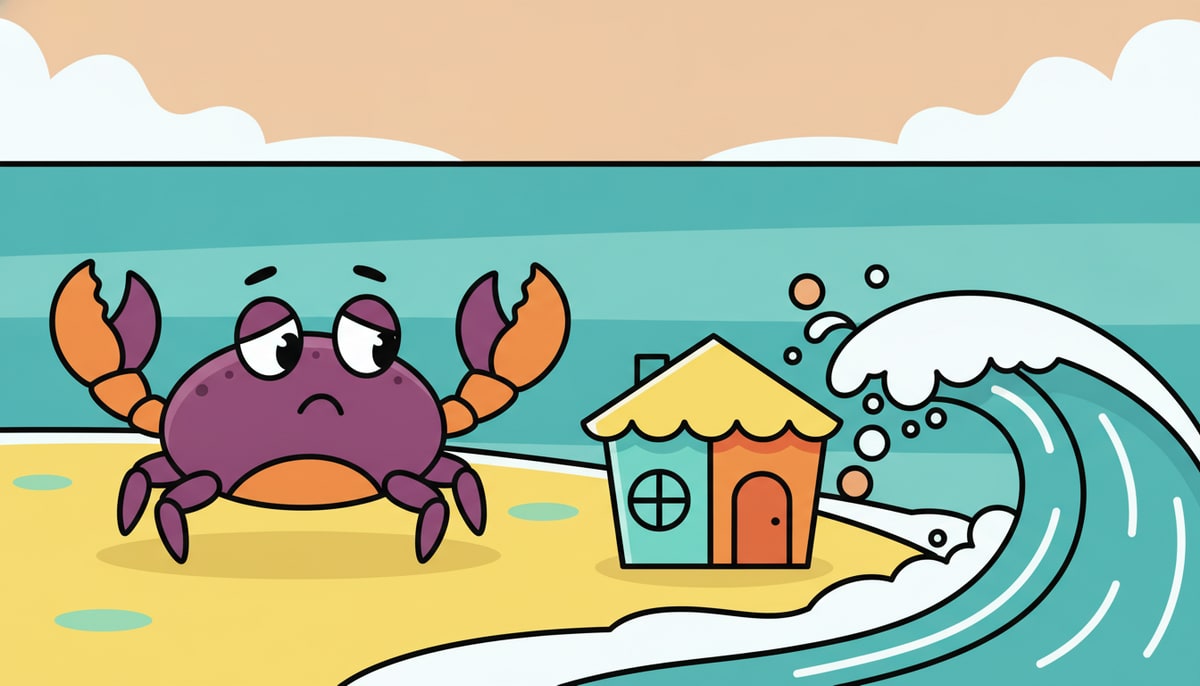
Think about it like this: A fancy new toy might cost a lot upfront, but if it breaks easily or needs expensive batteries all the time, those are extra "hidden costs." Living by the beach has beautiful "perks," but the "hidden cost" can be the land literally washing away. This isn't just about losing a house; it's about losing a huge investment, often the biggest one a family makes.
Planning for the Unexpected
Life is full of surprises, and not all of them are fun. Sometimes, things happen that are totally out of our control, like a storm, a flood, or, in this case, the ocean slowly eating away at the land. This is why planning and saving are so important.
For grown-ups, this means things like insurance, which is a way to pay a little bit of money regularly so that if something really bad happens (like your house falling into the ocean!), you get a bigger amount of money back to help you recover. It’s like having a special savings account just for emergencies.
For kids, you can start thinking about this with your own money. Let's say you're saving up for a new video game. What if your bike gets a flat tire and needs a quick repair? If you've spent all your money on the game, you might not have enough for the bike. But if you have a little "emergency fund" saved up, you can fix your bike and still work towards your game.
Making Smart Choices with Big Consequences
The families in the NPR story are facing a tough choice: stay and risk losing everything, or leave and try to rebuild somewhere else. Sometimes, the best choice isn't the easiest one, and it might mean giving up something you really love.
This is a lesson in evaluating risk. When you're making a big decision, whether it's buying a house or even just a new gadget, it's smart to think about the possible downsides. What's the worst that could happen? What are the chances of that happening? And how can you prepare for it?
It's not about being scared of everything, but about being smart and prepared. These homeowners wished they could stay, but the cost of the ocean's relentless march became too high, both financially and emotionally. Learning to recognize when to hold on and when to let go, especially when money is involved, is a skill that will serve you well your whole life.
P.S. Talk with your kids about a "what if" scenario this week. What if their favorite toy broke? What if they lost their allowance? How would they use their savings (or what would they do differently next time) to handle an unexpected problem?
Stay in the loop
We ship new free guides, printables, and the occasional deal — roughly twice a month. No spam, unsubscribe anytime.
Three streams available: 30-day welcome series, biweekly newsletter, and (opt-in) daily blog posts. Pick which you want after signing up. One click to unsubscribe from any.