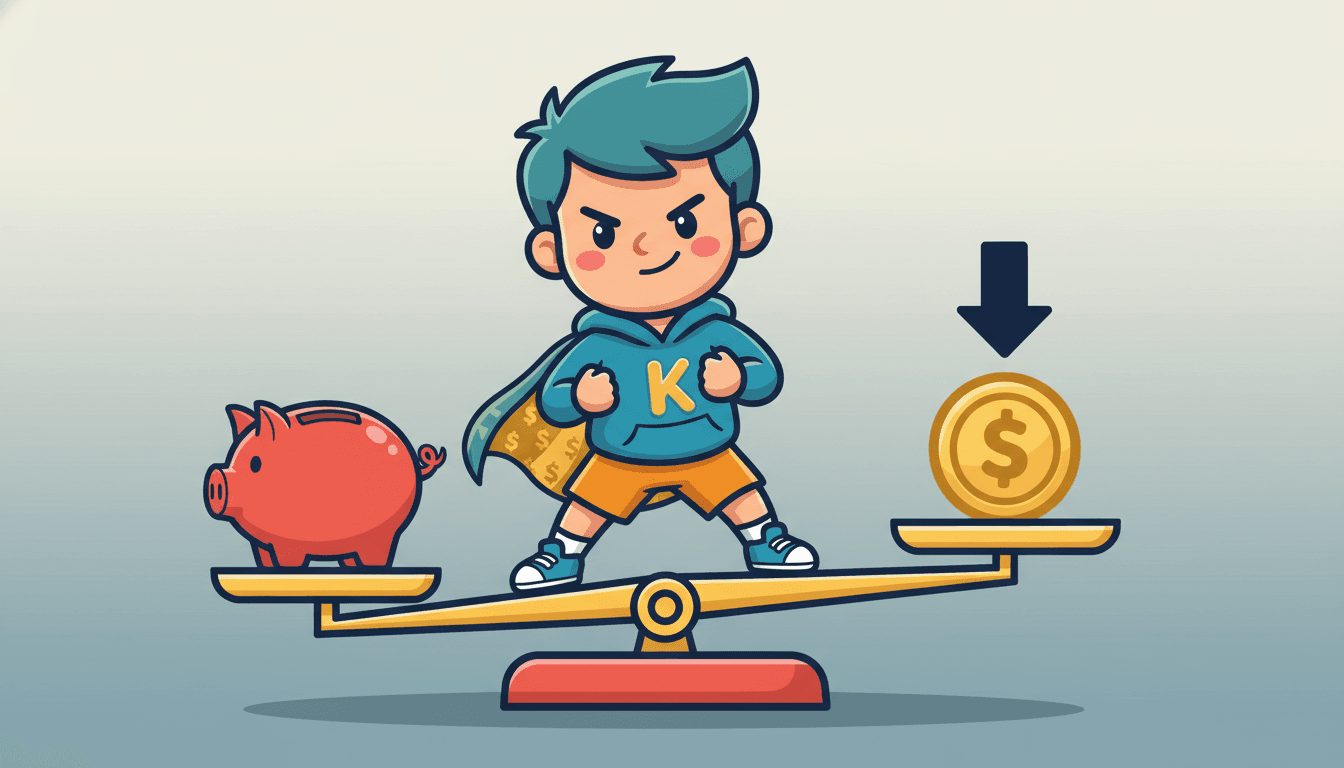
Betting on the Future: Why Even Fun Can Have Rules
Spain just blocked some online 'prediction markets.' Let's talk about why even grown-up games have rules, and how to make smart money choices.
Inspired by: Spain blocks prediction markets Polymarket, Kalshi over lack of gambling licence
Did you hear about what's happening in Spain? News is buzzing that Spain just blocked some online companies called Polymarket and Kalshi. These companies run something called "prediction markets," which are basically places where people can bet on future events – like who will win an election, or if a new product will be a success. But Spain said "Nope!" because these companies didn't have the right licenses for gambling.
Now, you might be thinking, "What does this have to do with me and my piggy bank?" A lot, actually! This story is a great reminder that even when things look like fun games, there are often serious rules and risks involved, especially when money is on the line.
What's a Prediction Market, Anyway?
Imagine you and your friends are trying to guess who will win the school talent show. One friend says, "I bet Sarah wins, she's amazing
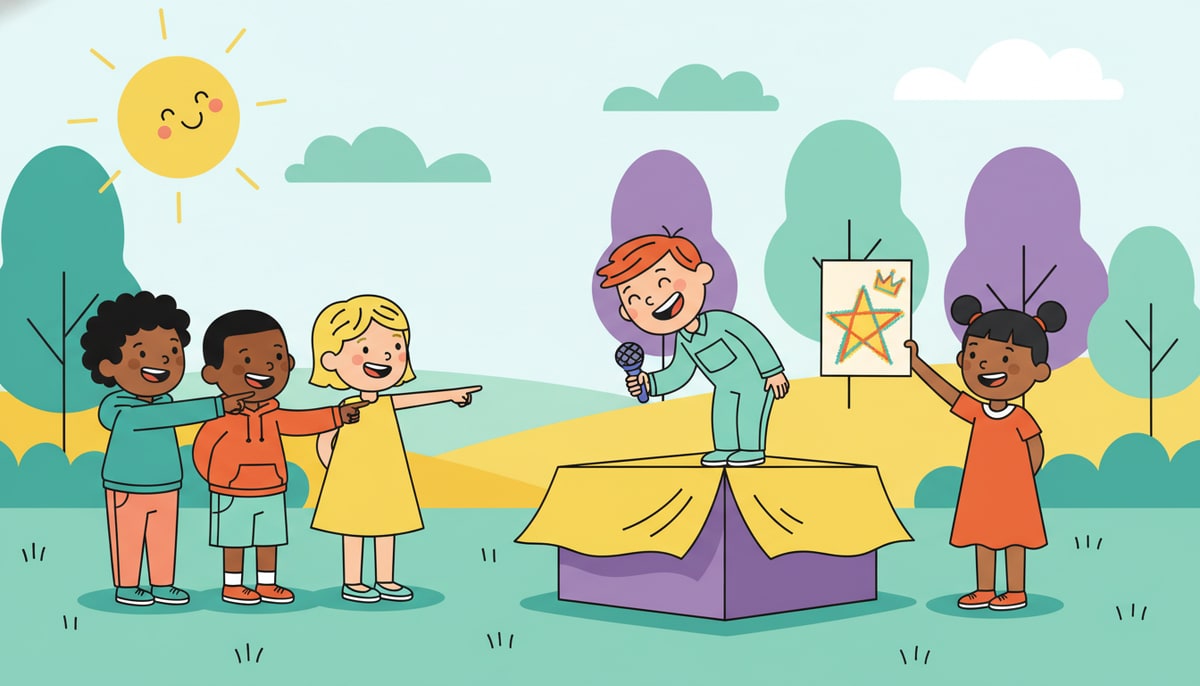 !" Another says, "I bet David wins, his magic act is super cool!" In a prediction market, instead of just guessing, people actually put money down on their predictions. If you're right, you might win more money. If you're wrong, you lose the money you put in.
It sounds a bit like a game, right? And for adults, it can be. But because money is involved, governments like Spain want to make sure these activities are fair and safe. They want to protect people from losing all their money or from being tricked. That's why they have rules, like needing a "gambling license." This license means the company has proven it can follow strict rules and protect its users.
The Big Lesson: Rules and Risk
Here’s the KidCash takeaway: anytime you see an opportunity to "make money fast" or "win big," it's super important to think about two things:
-
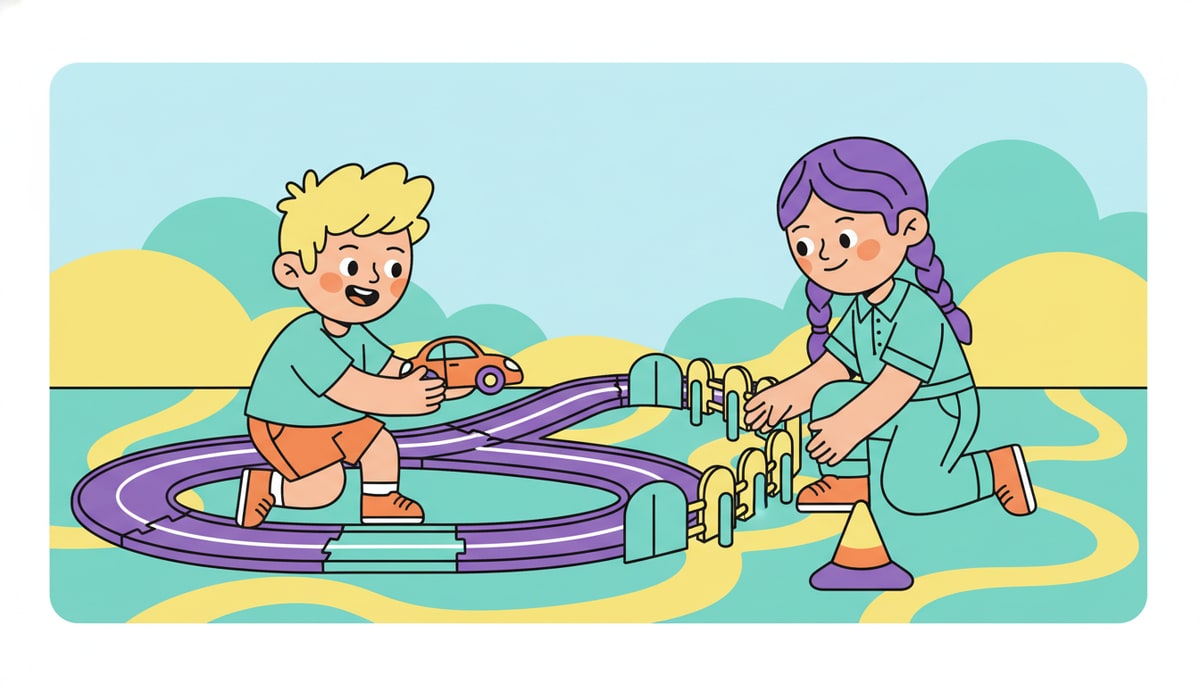
Rules: Are there rules in place? Who made them? Are they there to protect you? Just like in a board game, rules make sure everyone plays fair. In the world of money, rules help prevent scams and make sure things are honest. If something doesn't have clear rules or seems to be operating outside of them, that's a big red flag.
-
Risk: How much could you lose? In prediction markets, you could lose all the money you bet. This is called risk. When you save your money in a bank, the risk is very low – your money is safe. When you invest in a company over a long time, there's some risk, but usually less than betting on a single event. Understanding risk means knowing that sometimes you win, and sometimes you lose. The trick is to only risk money you can afford to lose, and to understand the odds.
For kids your age, this often comes up with things like trading cards, or even when you're deciding how to spend your allowance. Do you spend it all on a single toy that might break tomorrow (higher risk, maybe less lasting value)? Or do you save up for something bigger and more durable (lower risk, potentially more lasting value)?
Your Money, Your Choices
As you get older, you'll hear about all sorts of ways to make and manage money. Some will be exciting, like investing in a cool new company. Others will be more steady, like putting money in a savings account. The key is to always ask questions:
- What are the rules of this money game?
- How much could I gain?
- How much could I lose?
- Is this a smart choice for my money and my goals?
Thinking this way will help you make really smart money decisions, whether you're buying a new video game or, one day, deciding where to put your savings.
P.S. This week, talk to your parents about something you're saving for. Ask them, "What's the riskiest way I could try to get this, and what's the safest way?" Discuss the pros and cons of each approach!
Stay in the loop
We ship new free guides, printables, and the occasional deal — roughly twice a month. No spam, unsubscribe anytime.
Three streams available: 30-day welcome series, biweekly newsletter, and (opt-in) daily blog posts. Pick which you want after signing up. One click to unsubscribe from any.