
Building Smart: What a 'Third World Engineer' Taught Me
A fascinating story about engineers reminds us that smart solutions aren't always about the most expensive tools.
Inspired by: Tell HN: Cloudflare silently injects its analytics when you switch nameservers
Ever heard the saying, "Work smarter, not harder"? It's a classic, right? Well, today there's a really interesting discussion happening on Hacker News about an article called "RISC-V: They should have known better." And what's got everyone talking is a response from a "third world engineer."
Now, "third world" isn't a term we hear much anymore, but in this context, it's about engineers working in places with fewer resources. This engineer's response isn't about fancy new gadgets or spending tons of money. Instead, it's about being incredibly clever and resourceful with what you do have. They're basically saying, "Hey, we can build amazing things even without all the expensive bells and whistles!"
This isn't just a cool tech story; it’s a powerful money lesson for you, no matter your age!
Resourcefulness: Your Secret Superpower
Think about it. When you want to build a super cool fort in your backyard, do you immediately ask your parents to buy the most expensive lumber and tools? Probably not
 ! You probably look around for old blankets, cardboard boxes, and maybe some branches. That’s resourcefulness!
The "third world engineer" is showing us that true value isn't always in having the most expensive stuff, but in how creatively you use what's available. This applies to your money, too.
Smart Spending Isn't Just Saving
We often talk about saving money, which is super important. But smart spending is also about being resourceful.
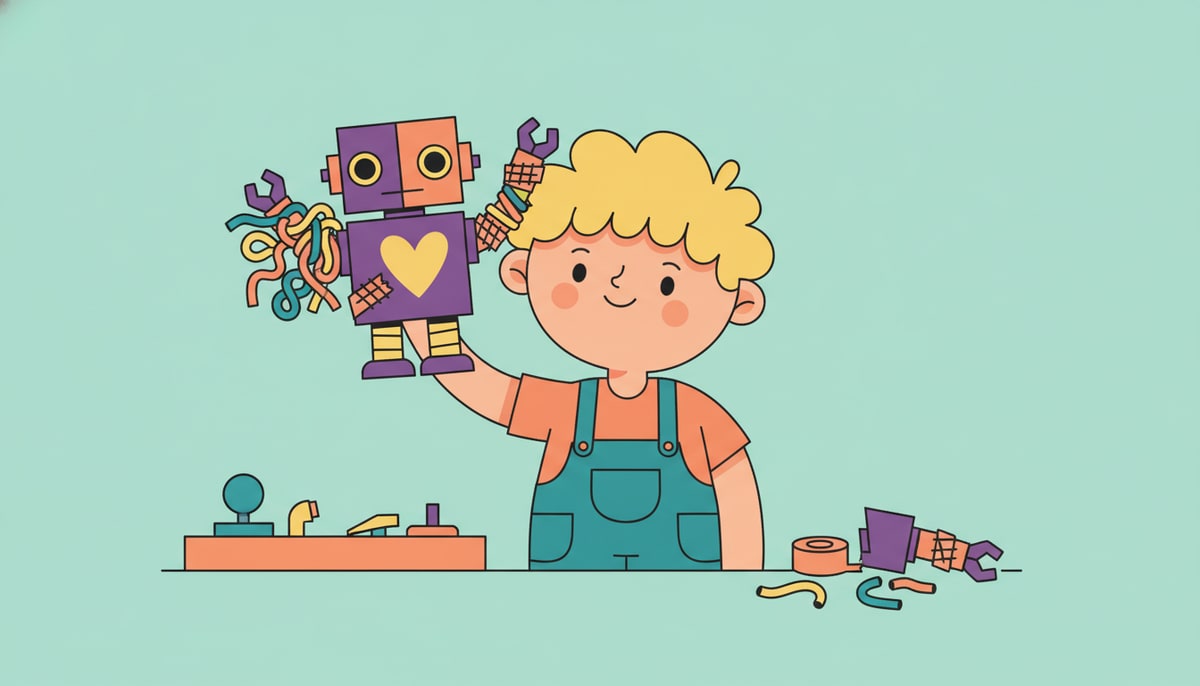
- Do you really need the brand-new, top-of-the-line toy, or could a slightly older model (or even a used one!) bring you just as much joy for less? This is like the engineer choosing a simpler, effective design instead of a super complex, costly one.
- When you're working on a school project, do you buy every single supply, or do you look for things you already have at home that could work? That's thinking like our resourceful engineer!
- If you want to earn some money, instead of asking for an expensive new gadget, could you offer to do chores or help a neighbor with something they need done? You're using your resources (time and effort) to create value.
Being resourceful means you're looking for clever solutions that don't always cost a lot. It teaches you to be creative, to problem-solve, and to appreciate the value in things you might otherwise overlook. It's about getting the job done well, without breaking the bank.
The Power of "Good Enough"
Sometimes, we get caught up in wanting the absolute "best" of everything. But often, "good enough" is, well, good enough! And "good enough" usually costs a lot less. The engineer's story highlights how a "good enough" solution, built with cleverness and existing resources, can be incredibly powerful and effective.
Next time you're thinking about buying something or trying to solve a problem, pause and ask yourself: "What resources do I already have? How can I be creative with them? Do I really need the most expensive option, or is there a smarter, more resourceful way to get what I need?" You might be surprised at the clever solutions you come up with!
P.S. This week, challenge your kids to a "Resourceful Challenge"! Pick a small project (like making a craft, building a small fort, or preparing a snack) and tell them they can only use items already in the house. See what creative solutions they come up with and talk about how being resourceful saved money!
Stay in the loop
We ship new free guides, printables, and the occasional deal — roughly twice a month. No spam, unsubscribe anytime.
Three streams available: 30-day welcome series, biweekly newsletter, and (opt-in) daily blog posts. Pick which you want after signing up. One click to unsubscribe from any.