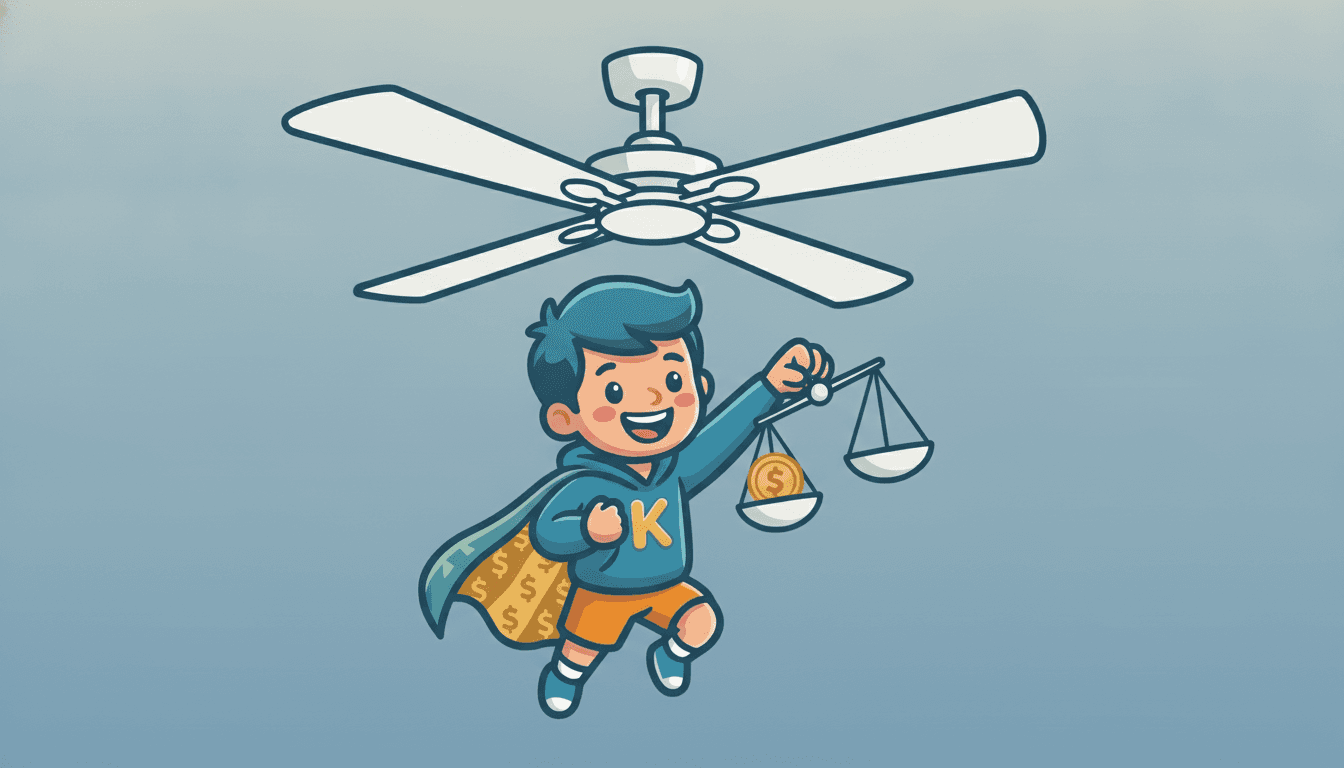
Ceiling Fans: The Surprising Cost of Comfort
Why are people talking about ceiling fans? It's a great lesson in how even small choices affect your family's budget and energy use.
Inspired by: Improper redaction reveals Google Data Center water and electricity usage
Have you ever looked up at a ceiling fan, spinning away, and wondered much about it? Probably not! Most of us just flip a switch and enjoy the breeze. But today, a lot of people are scratching their heads and asking, "What is going on with ceiling fans?" It turns out, even something as simple as a fan can spark a big conversation about how we spend our money and use our planet's resources.
Why All the Buzz About Blades?
The internet is full of chatter about ceiling fans – from how they're designed to how much power they use. For a long time, ceiling fans were just... ceiling fans. They did their job. But now, with new technologies and a bigger focus on saving energy, people are realizing that not all fans are created equal. Some are super efficient, while others might be quietly costing you more than you think.
This is a fantastic real-world example of something we talk about a lot here at KidCash: the hidden costs and benefits of the things we use every day.
The Fan Effect: Small Choices, Big Impact
Imagine your family has a ceiling fan in the living room. It's on for a few hours every afternoon. Seems harmless, right? But here's where the money lesson comes in:
- Energy Hogs vs. Energy Savers: Just like some cars use more gas than others, some fans use more electricity. An older, less efficient fan might be costing your family a few extra dollars on the electricity bill every month. A newer, "smart" fan might cost more to buy, but it could save you money in the long run because it uses less power. This is called a "return on investment" – spending a little more upfront to save a lot later.
- The Power of "Off": This one seems obvious, but it's easy to forget! If no one is in the room, is the fan still spinning? Every minute that fan is on when it doesn't need to be is electricity being used, and money being spent. It's like leaving the lights on in an empty room.
- Maintenance Matters: Believe it or not, a dusty fan can work harder and use more energy. Keeping things clean and well-maintained isn't just about tidiness; it's about efficiency and making things last longer, which saves money on replacements.
Think about it: if your family saves just $5 a month by being smarter about how you use your fans and other appliances, that's $60 a year! What could your family do with an extra $60? Maybe a special family dinner, a trip to the movies, or put it towards a bigger savings goal.
Beyond the Fan: Looking for Hidden Costs
The ceiling fan conversation is a great reminder that money isn't just about big purchases. It's about all the little choices we make every single day. Here are some other places you might find "hidden costs" that you and your kids can think about:
- Water Usage: Long showers, leaving the tap running while brushing teeth. Every drop costs money!
- Food Waste: Buying too much, letting food go bad. That's money thrown in the trash.
- "Phantom Power": Electronics that are plugged in but turned off (like a TV or game console) can still use a tiny bit of electricity. Unplugging them can save a little bit of money over time.
Teaching kids about these small, everyday choices helps them understand the bigger picture of budgeting and being responsible consumers. It's not about being super strict, but about being aware and making smart decisions. Every little bit truly adds up.
P.S. This week, try a "power patrol" with your kids! Walk around the house and look for things that are on when they don't need to be, or things that could be unplugged. Make it a game to see how many "energy savings" opportunities you can find together!
Stay in the loop
We ship new free guides, printables, and the occasional deal — roughly twice a month. No spam, unsubscribe anytime.
Three streams available: 30-day welcome series, biweekly newsletter, and (opt-in) daily blog posts. Pick which you want after signing up. One click to unsubscribe from any.