
That Cruise Ship Hantavirus Scare? It's a Budget Lesson!
A cruise ship health scare reminds us why it's smart to plan for the unexpected. Teach your kids about emergency funds!
Inspired by: MV Hondius docks in Tenerife; passengers disembark ship hit by hantavirus (CNN)
You might have seen the headline floating around this week: "Passengers Begin Disembarking From Cruise Ship Tied to Hantavirus Outbreak." Yikes! While we certainly hope everyone on board is okay, this news item, as unsettling as it is, offers a surprisingly practical jumping-off point for a vital financial lesson with our kids. It’s a real-world example of how quickly plans can change and why having a financial safety net isn't just for grown-ups.
Think about it: imagine your family had saved up for months, maybe even years, for that dream cruise. The tickets are bought, the bags are packed, and then – bam! – a health scare or an unforeseen emergency derails everything. What happens to all that money? This is where the concept of an emergency fund comes into play, and it’s something even younger kids can grasp.
What's an Emergency Fund, Anyway?
For us adults, an emergency fund is typically a separate savings account holding three to six months' worth of living expenses. It's there for job loss, unexpected medical bills, or, yes, a sudden trip cancellation. For kids, we can simplify this. Think of it as a "Just In Case" jar or a special savings goal for things they really didn't see coming.
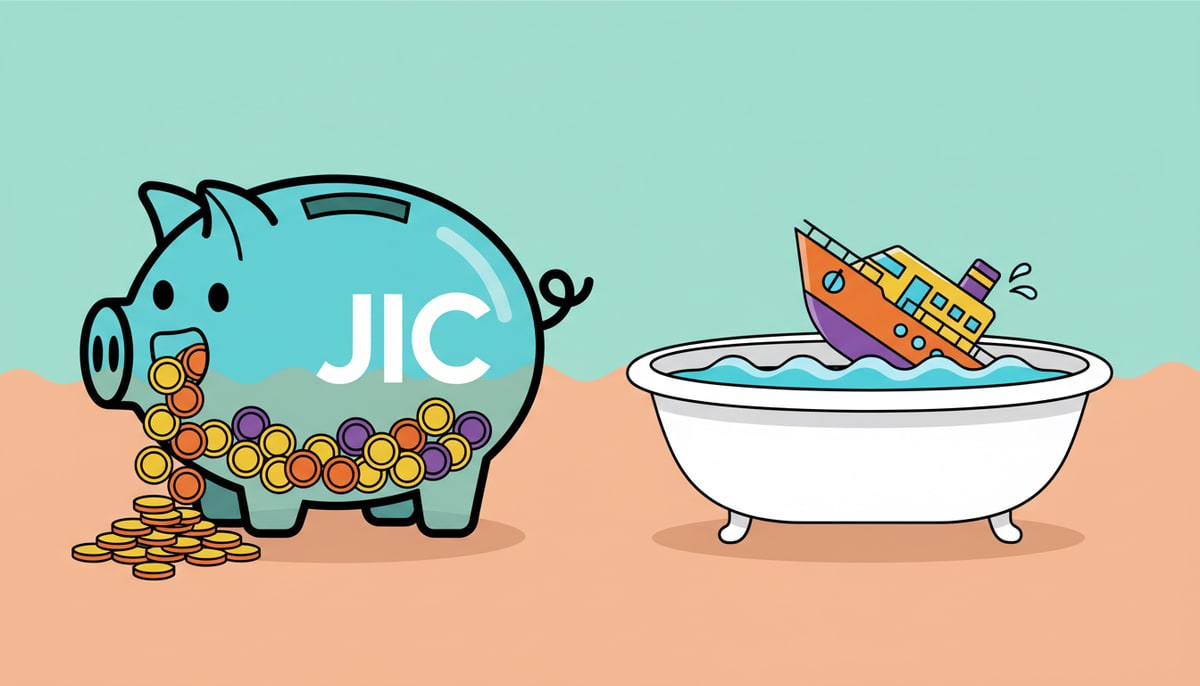
Maybe your 8-year-old is saving for a new video game, and then their bike gets a flat tire that costs more than their allowance. Or your 12-year-old is planning to buy new sneakers, but their school trip suddenly requires an extra fee. These are small-scale emergencies that can throw a wrench in their plans, just like a cruise ship outbreak could throw off a family vacation.
Teaching Kids to Prepare for the Unexpected
Start by talking about what an "unexpected expense" might look like in their world. It could be:

- A broken toy: "If your favorite action figure breaks and you want to replace it, where would the money come from?"
- A friend's last-minute birthday gift: "Oops, you forgot it was Maya's birthday tomorrow! Do you have any extra money for a small gift?"
- A sudden opportunity: "What if the ice cream truck comes by, but you just spent all your money on candy?"
These aren't true emergencies, but they illustrate the concept of needing extra funds for unplanned events. Once they understand the why, you can move on to the how.
Setting Up a "Just In Case" Fund
Here's how you can help your kids build their own mini emergency fund:
- Designate a Spot: Use a clear jar, a special envelope, or even a separate line item in a budgeting app you use together. Call it the "Just In Case" fund, the "Oopsie Money," or the "Surprise Savings."
- Start Small: Encourage them to put a small percentage of their allowance, chore money, or gift money into this fund. Even 10-20% is a great start.
- Explain the Rules: Emphasize that this money isn't for regular purchases. It's specifically for things that genuinely surprise them or prevent them from achieving a bigger goal.
- Practice Patience: This is the hardest part! They'll be tempted to dip into it. Remind them of the cruise ship story – sometimes things happen that are out of our control, and having a little extra saved makes navigating those moments much smoother.
- Review and Celebrate: Periodically check in on their "Just In Case" fund. When they do use it for a legitimate unexpected expense, celebrate their foresight! "See? You were prepared, and now you don't have to worry about that bike repair!"
Teaching kids about emergency funds isn't about scaring them; it's about empowering them. It’s about showing them that financial planning gives them more control and resilience, even when life throws a curveball, whether it's a broken bike chain or a cruise ship health alert.
P.S. This week, challenge your child to identify one small, unexpected expense that could pop up in their life. Then, help them set aside just $1 or $2 into a designated "Just In Case" spot. It’s a tiny step, but it builds a powerful habit!
Stay in the loop
We ship new free guides, printables, and the occasional deal — roughly twice a month. No spam, unsubscribe anytime.
Three streams available: 30-day welcome series, biweekly newsletter, and (opt-in) daily blog posts. Pick which you want after signing up. One click to unsubscribe from any.