Digital Games: Do You Really Own What You Buy?
From Roblox to Fortnite, learn what 'owning' a digital game really means for your money and your fun.
Inspired by: It's not about physical vs. digital games, it's about ownership
Ever downloaded a cool new game on your tablet or asked your parents for V-Bucks for a new skin in Fortnite? Of course you have! Most games today are digital – you download them, you play them, and you might even spend money on things inside them. But a big conversation is happening right now, sparked by a headline on Hacker News: "It's not about physical vs. digital games, it's about ownership." This isn't just about grown-up tech talk; it's about something super important for your money: what you actually own when you buy something digital.
Physical vs. Digital: What's the Big Deal?
Think about a toy car you own. You can pick it up, race it across the floor, lend it to a friend, or even sell it at a garage sale when you're done with it. That's physical ownership
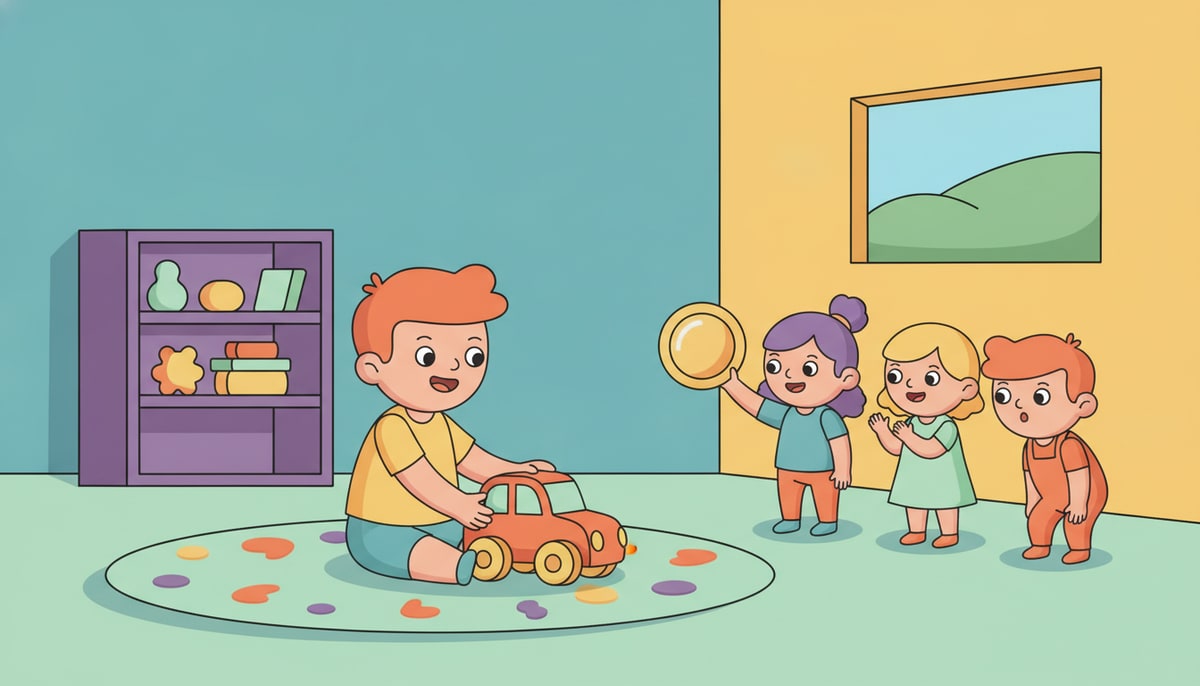 ! You have the actual item.
Now, think about that new game you downloaded. You can play it, sure. But can you lend it to your friend by just giving them the file? Can you sell your digital copy of Minecraft once you've beaten the Ender Dragon a hundred times? Probably not! When you "buy" a digital game, you're often buying a license to play it, not the game itself. It's like renting a movie – you get to watch it, but you don't own the DVD.
What Does "Ownership" Mean for Your Money?
This might seem like a small detail, but it makes a big difference for your money and how you think about your purchases:
- Resale Value (or Lack Thereof): Remember that toy car? You could get some money back for it. Digital items usually have no resale value. Once you're done, that money is gone for good. This means you need to think extra carefully before you spend your allowance on a game you might only play for a few weeks.
- Access Can Change: What if the company that made your favorite digital game goes out of business? Or what if they decide to stop supporting that version of the game? Sometimes, your access to those digital purchases can disappear, even if you paid for them. This rarely happens with physical items you already own.
- Hidden Costs: Many digital games are "free to play," but then they offer in-app purchases for skins, extra lives, or special powers. These can add up fast! Since you don't truly "own" these digital items in the same way you own a physical toy, it's easy to keep spending without realizing the total cost.
Being a Smart Digital Spender
So, what can you do with this information?
- Think Before You Buy: Before asking for that new digital game or spending your hard-earned money on in-game items, ask yourself: How long will I really play this? Is it worth the money if I can't sell it later?
- Compare Costs: Sometimes, a physical game might cost a little more upfront, but if you can trade it with friends or sell it later, it might be a better long-term value than a digital download that has no resale value.
- Understand the "License": When you download something, know that you're often paying for the right to use it, not to truly own it. This helps you manage your expectations and your money.
- Budget for Digital Fun: If you love digital games, set a specific budget for them. Once that money is spent, it's spent! This helps you avoid overspending on things that don't have lasting value.
Understanding the difference between owning a physical item and having a license for a digital one is a super smart money lesson. It helps you make better choices about how you spend your allowance or birthday money, and it teaches you to think about the true value and long-term implications of your purchases. Happy gaming, and happy saving!
P.S. Parents, talk to your kids about their favorite digital games. Ask them what they "own" in the game and what they don't. This is a great way to start a conversation about digital ownership and the value of their money in the online world.
Stay in the loop
We ship new free guides, printables, and the occasional deal — roughly twice a month. No spam, unsubscribe anytime.
Three streams available: 30-day welcome series, biweekly newsletter, and (opt-in) daily blog posts. Pick which you want after signing up. One click to unsubscribe from any.