Drawing Birds & Big Ideas: The Cost of Creativity
An e-ink frame that draws birds sounds cool, but what goes into making something new and unique like that?
Inspired by: Show HN: An e-ink frame that hears birds and draws them as 1800s illustrations
Have you ever seen something that just makes you say, "Wow, that's so clever!"? Today, a really cool invention called "An e-ink frame that hears birds and draws them as 1800s illustrations" got a lot of buzz on Hacker News. Imagine a picture frame on your wall that listens to the birds singing outside and then, almost like magic, draws a beautiful, old-fashioned picture of that bird! It’s a super creative idea that mixes nature, art, and technology.
But here at KidCash, when we see something new and exciting like this, we also start thinking about the money side of things. Because even the coolest ideas don't just appear out of thin air!
The Spark of an Idea Isn't Free
Think about that bird-drawing frame. Someone had to come up with the idea in the first place. That's brainpower
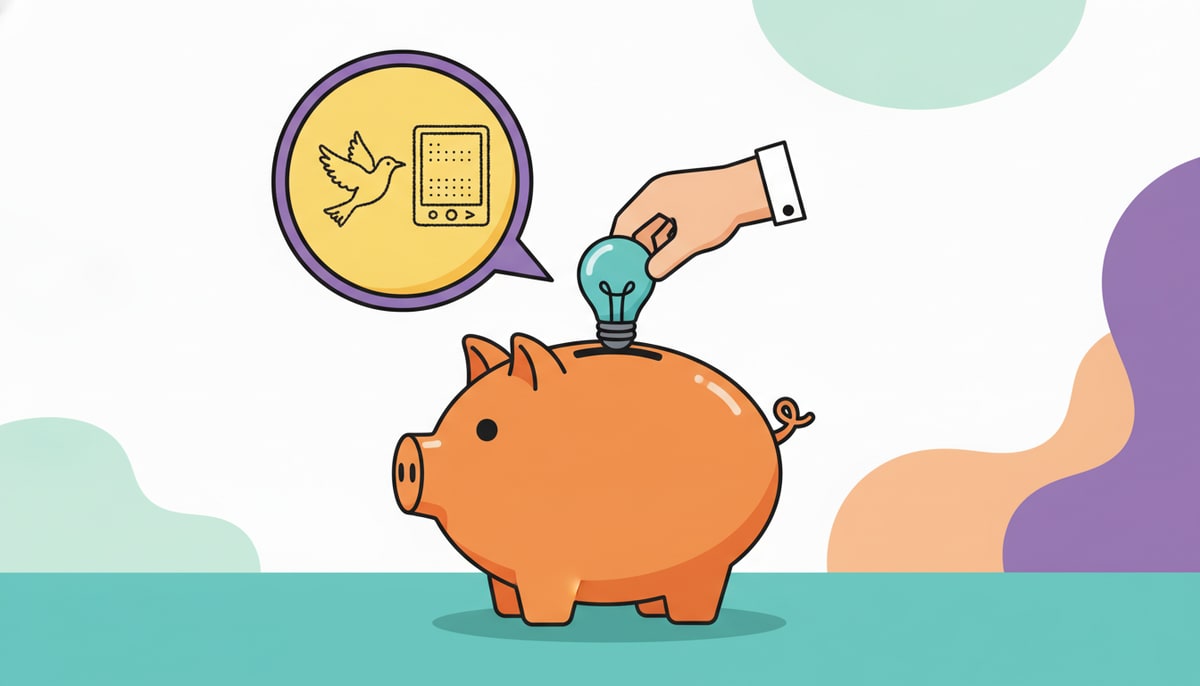 ! Then, they probably spent hours, days, or even weeks figuring out how to make it work. What kind of microphone would it need? How would it "hear" the birds and know which one it was? How would it draw in that specific 1800s style?
All that thinking, planning, and experimenting takes time. And time, as grown-ups often say, is money. If you spend an hour building a LEGO castle, that's an hour you could have spent doing chores to earn money, or studying for a test. For an inventor, every hour they spend on their idea is an hour they could have spent working at a regular job. So, the "cost" of their time and effort is a big part of creating something new.
What's Inside Matters (and Costs!)
Once they had the idea, they needed to build it. This means buying parts
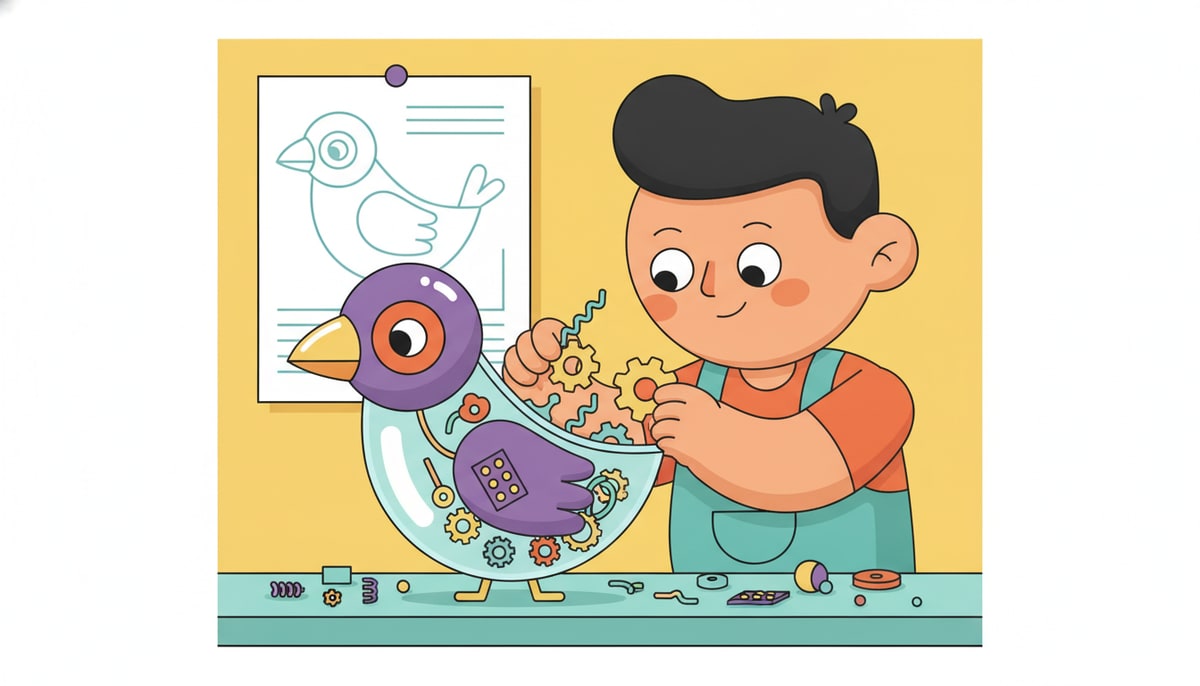 ! For our bird frame, they'd need:
- An e-ink screen: These are special screens that look like paper and use very little power. They aren't cheap!
- A microphone: To listen to the birds.
- A computer brain (like a tiny circuit board): To process the sounds and tell the screen what to draw.
- Software: Someone had to write the computer code that identifies the birds and creates the illustrations. This is like building the instructions inside the machine.
- A frame and other materials: To make it look good and protect the electronics.
Each of these parts costs money. And it's not just the cost of buying one of each. Inventors often have to buy several different versions of a part, test them out, and then pick the best one. Sometimes, parts break, or they realize a different part would work better. That's all part of the "research and development" process, and it adds up!
Why Does This Matter for You?
Understanding the cost of creativity and innovation is a really important money lesson. When you see a new toy, a cool video game, or even a fancy new snack at the grocery store, remember that a lot of effort, time, and money went into making it.
- It helps you appreciate things more: Knowing the work involved makes you value what you have.
- It helps you make smart choices: If you're saving for a new gadget, you understand why it costs what it does, and you can decide if that cost is worth it for you.
- It can inspire you: Maybe you have a brilliant idea for something new! Knowing that others have put in the work (and money!) to bring their ideas to life can encourage you to start saving for your own creative projects.
So, next time you see something innovative, take a moment to think about all the pieces that had to come together – the ideas, the parts, and the hard work – and the money that made it all possible.
P.S. This week, challenge your kids to come up with their own "brilliant invention" idea. Then, help them make a list of everything they think they'd need to buy or do to make it real. It's a fun way to start thinking about the costs involved in bringing ideas to life!
Stay in the loop
We ship new free guides, printables, and the occasional deal — roughly twice a month. No spam, unsubscribe anytime.
Three streams available: 30-day welcome series, biweekly newsletter, and (opt-in) daily blog posts. Pick which you want after signing up. One click to unsubscribe from any.