
Everest & Your Goals: Reaching New Financial Heights
Two climbers died and a Briton made a record Everest climb. What does reaching big goals teach us about money?
Inspired by: Briton makes record Everest climb by foreigner, two die on mountain - Reuters
Did you hear about the news from Mount Everest? A British climber just set a new record for the most Everest climbs by a non-Nepalese person! That's an incredible achievement. Unfortunately, the same news also reported that two other people died on the mountain. Climbing Everest is a truly enormous goal, and it shows us a lot about setting big goals in life – including financial ones.
Think about what it takes to climb Everest. It's not just about one day of hiking. It's years of training, planning, buying special gear, and saving up a lot of money for the expedition itself. It's a huge commitment, and it teaches us some important lessons about what goes into achieving really big dreams, whether they're about mountains or money.
What's Your Everest?
For a kid, your "Everest" probably isn't a mountain. Maybe it's a new video game console, a bike, or even saving up for a special trip with your family. Whatever it is, if it's a big goal, it's going to take planning and effort, just like climbing Everest.
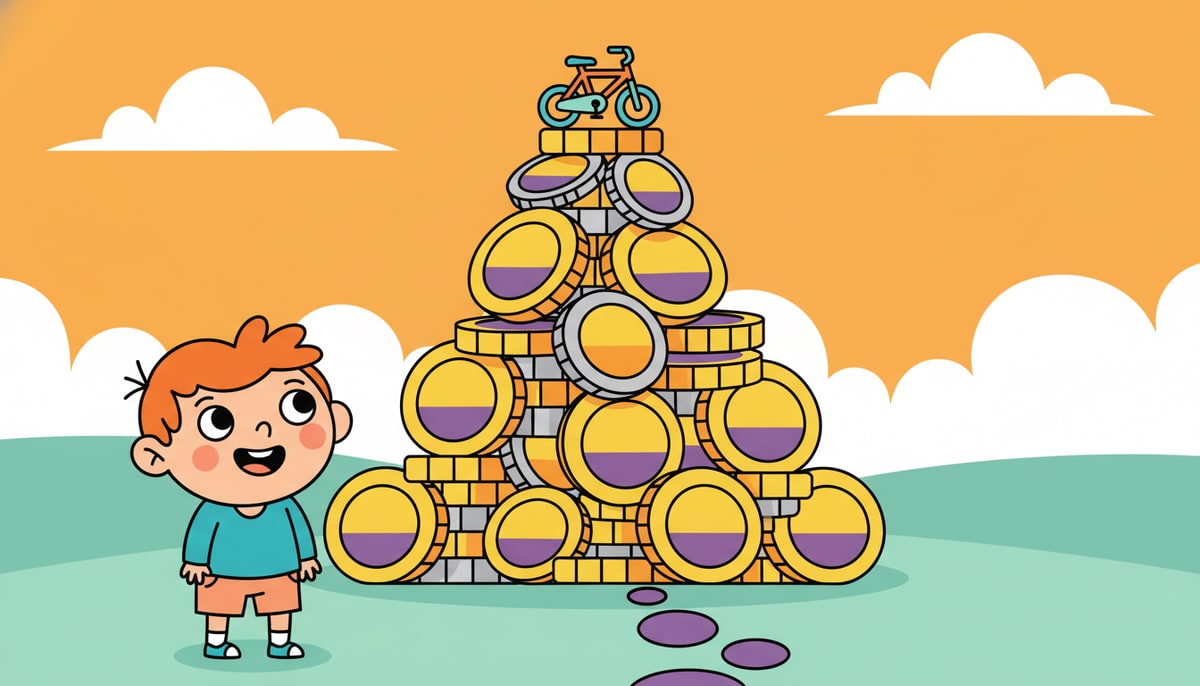
One of the first steps for any big goal is to figure out exactly what you want. The climbers knew they wanted to reach the summit of Everest. What's your summit? Be super specific! "I want a new video game" is good, but "I want the new 'Galactic Explorers 5' game for my Switch, which costs $60" is even better. Knowing the exact cost is like knowing the exact height of the mountain you're trying to climb.
Training for Your Financial Climb
Just like climbers train their bodies, you need to "train" your money habits. This means making choices and sometimes even sacrifices. If you're saving for that $60 game, you might have to decide not to buy a small toy or a candy bar every week. Each time you make that choice, you're putting a little more money towards your big goal. It’s like a climber choosing to walk up stairs instead of taking the elevator – small choices that add up to big strength.
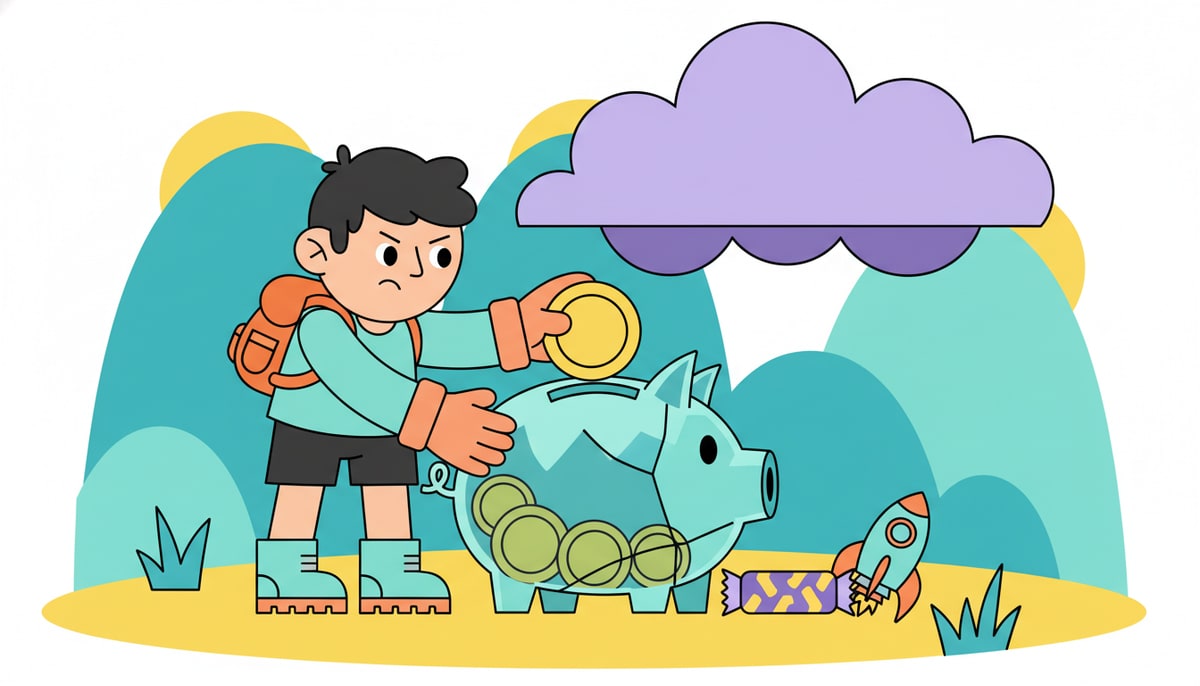
It also means being patient. You won't reach the top of Everest in a day, and you probably won't save $60 in a day either. Saving money takes time. You might earn allowance, or get money for chores, or receive gifts. Every dollar you put aside is a step closer to your goal.
The Right Gear Makes a Difference
Climbers need special boots, warm jackets, oxygen tanks – all sorts of gear to help them reach the top safely. In the world of money, your "gear" might be a savings jar, a piggy bank, or even a special savings account that your parents help you set up. These tools help you keep your money safe and organized, so you know exactly how much you have and how much more you need.
Sometimes, you might even need to adjust your plan. A climber might have to turn back because of bad weather, or find a different route. If the game you want suddenly goes on sale, or if you find a used one for less money, that's like finding a shortcut to the summit! Being flexible and looking for smart ways to save can help you reach your goals faster.
Reaching a big goal, whether it's climbing a mountain or buying something you really want, feels amazing. It teaches you about perseverance, planning, and the power of consistent effort. So, what's your financial Everest? Start planning your climb today!
P.S. Parents, talk to your kids about a specific, tangible goal they have. Help them break down the cost and brainstorm ways they can earn or save money towards it. Even a small goal, like a new book or a fun outing, can be a great starting point for understanding goal-oriented saving.
Stay in the loop
We ship new free guides, printables, and the occasional deal — roughly twice a month. No spam, unsubscribe anytime.
Three streams available: 30-day welcome series, biweekly newsletter, and (opt-in) daily blog posts. Pick which you want after signing up. One click to unsubscribe from any.