Why 'Free' Isn't Always Free (Even for Linux!)
California almost made a free computer program pay up. Here's what that teaches kids about hidden costs and value.
Inspired by: California moves to exempt Linux from its age-verification law after backlash
Have you ever heard the saying, "There's no such thing as a free lunch?" It popped into my head when I saw a story on Hacker News today about California almost making a really popular, free computer program called Linux pay up. The headline was "California moves to exempt Linux from its age-verification law after backlash."
Now, you might be thinking, "What does a computer program have to do with money?" Well, a lot more than you'd expect! Linux is a type of operating system, like the brain of a computer or phone, that's famous for being "open source" – meaning it's free for anyone to use, change, and share. It's used in everything from your smart TV to giant supercomputers.
California passed a law about age verification for certain online content, and it looked like even Linux, because it's software, might have to follow those rules. And guess what? Following rules, even for free software, costs money!
The Hidden Costs of "Free"
This is a great example for us to think about how things that seem "free" often have hidden costs.
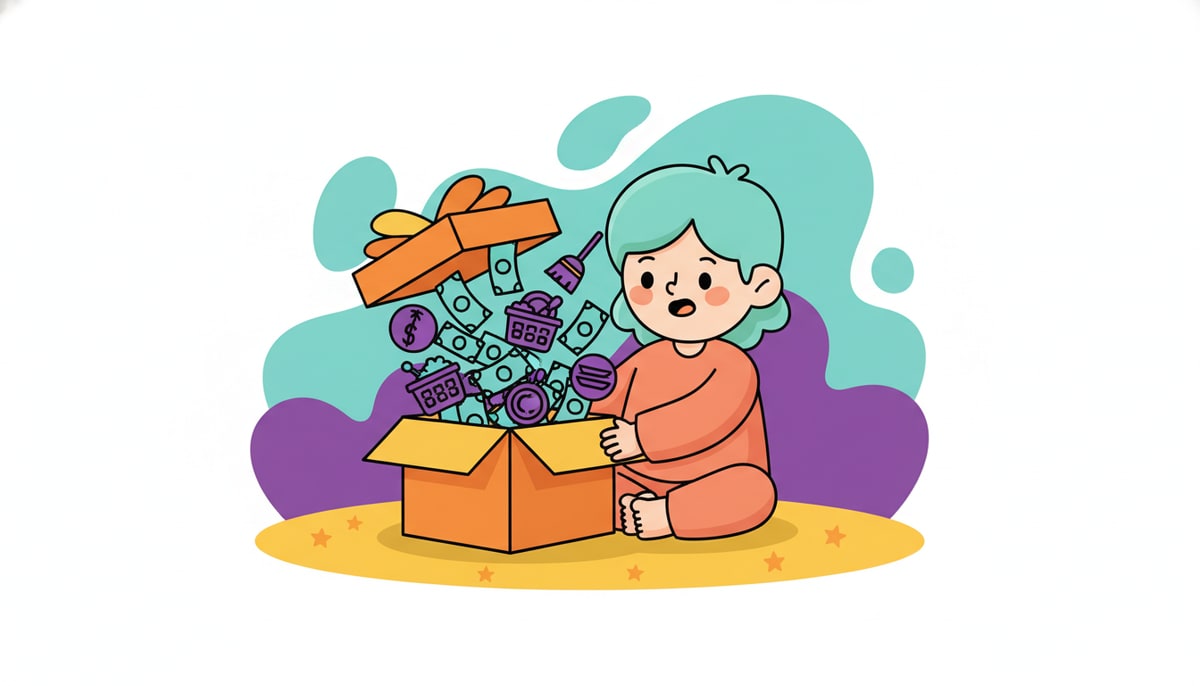
Imagine you get a really cool toy for your birthday. It's free, right? But what if it needs special batteries that cost a lot? Or what if it's so big you need to buy a new storage bin for it? Or what if it breaks easily and you need to pay for repairs? Those are all hidden costs!
For Linux, the "cost" wasn't buying the software itself, but the cost of compliance – making sure it followed California's law. This could involve hiring lawyers, changing how the software works, or setting up systems to check users' ages. Even if the software itself is free, these extra steps aren't. Someone has to pay for the time, effort, and resources needed to meet those requirements.
Your Time and Energy Are Money Too
This isn't just about big companies or computer programs. It applies to you too
 !
!
Let's say your friend offers you a free video game. Awesome! But do you have to spend hours downloading it? Does it take up so much space on your device that you can't download other games you already paid for? Do you have to watch tons of ads to play it? That time you spend, that space you use, those ads you watch – those are all "costs" even if you didn't hand over any cash.
Think about a "free" app on your phone. It might be free to download, but it often makes money by showing you ads, asking you to buy extra features, or even collecting information about you. Companies don't create things out of thin air; there's always a cost involved, and they need to find ways to cover it.
Thinking Beyond the Price Tag
The lesson here is to always look beyond the initial "free" label. When you're considering something that doesn't have a price tag, ask yourself:
- What else do I need to make this work? (Like batteries for a toy, or internet for a free game.)
- How much of my time or effort will this take? (Like setting up a complicated free program, or cleaning up after a free pet.)
- Is there anything I'm giving up to get this? (Like privacy for a free app, or space on your device.)
Understanding these hidden costs helps you make smarter choices about what you truly value, whether it's a computer program, a new toy, or even your own time. Sometimes, paying a little upfront can save you a lot more in the long run!
P.S. This week, talk with your child about something they use that was "free." Ask them if they can think of any hidden costs associated with it. It could be a park visit, a library book, or a free online game.
Stay in the loop
We ship new free guides, printables, and the occasional deal — roughly twice a month. No spam, unsubscribe anytime.
Three streams available: 30-day welcome series, biweekly newsletter, and (opt-in) daily blog posts. Pick which you want after signing up. One click to unsubscribe from any.