
When the Internet Forgets: Why Your Money Memory Matters!
The internet's 'memory' is fading, but your memory about money decisions is super important for smart choices!
Inspired by: As AI eats the web, the internet’s collective memory is disappearing
Have you ever tried to find an old video or a specific piece of information online, only to discover it's gone? It's a little frustrating, right? A big story on Hacker News today talks about how "As AI eats the web, the internet’s collective memory is disappearing." This means that old websites, articles, and even entire communities are slowly vanishing or changing, making it harder to look back at what was there before.
It's a really interesting idea to think about, especially when we consider how much we rely on the internet for information. But it also got us thinking: while the internet might be forgetting, it's super important that you don't forget when it comes to your money!
Why Your Money Memory Is Like a Superpower
Imagine you're saving up for a new video game, a bike, or even just a cool toy. Every time you earn some money, or decide not to spend it on something else, you're making a financial decision. If you keep track of those decisions – even just in your head – that's your "money memory."
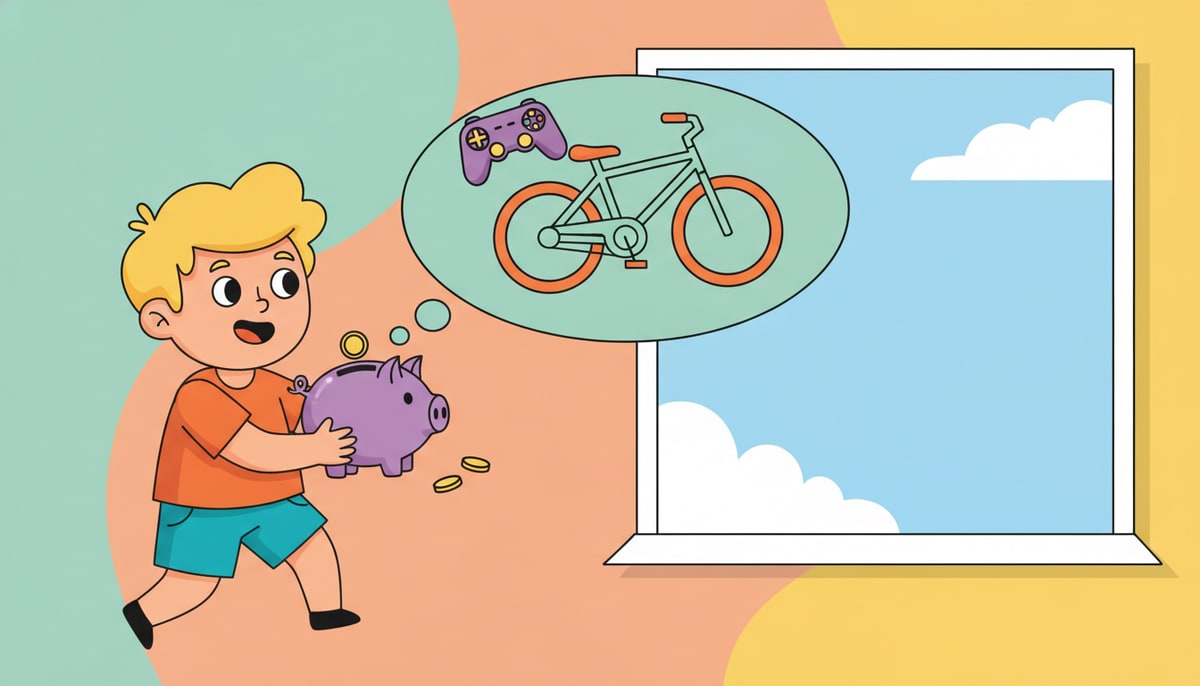
Let's say last month you bought a really cool action figure. You were excited about it for a few days, but now it's just sitting in a box. This month, you're thinking about buying another action figure. If you remember how you felt about the last one – maybe a little regret that you didn't play with it much – that memory can help you decide if you really want this new one. Maybe you'd rather save that money for something bigger, like that video game you've been wanting.
That's your money memory in action! It helps you learn from past choices, both good and not-so-good.
Learning from Your Spending "Footprints"
Think of every dollar you spend as leaving a tiny footprint. Over time, these footprints show a path of where your money has gone. If you never look back at that path, it's hard to see if you're heading in the right direction for your goals.

For younger kids, this could be as simple as remembering what they got with their allowance last week. Did they love it? Or was it something they forgot about quickly? For older kids, it might mean remembering how much they spent on snacks last month versus how much they saved for a concert ticket.
Just like the internet is losing its old "pages," if you don't keep track of your money habits, those lessons can disappear too. You might keep making the same choices without realizing there's a better way to reach your goals.
How to Build Your Own Strong Money Memory
You don't need a fancy computer program to have a good money memory. Here are a few easy ways:
- Talk about it: After you buy something, talk with your parents about whether you're happy with the purchase. Did it meet your expectations?
- Use a journal: A simple notebook can be a "money memory book." Write down what you earn, what you spend, and what you're saving for.
- Set clear goals: When you have a goal (like saving for a scooter), it's easier to remember why you're saying "no" to smaller, impulse buys. Your memory of that goal helps you stay on track!
- Review regularly: Once a week or once a month, take a quick look at where your money has gone. It's like checking the internet's archives, but for your own finances!
The internet might be forgetting some things, but your personal money memory is something you can build and make stronger every day. It's a powerful tool for making smart choices and reaching your financial dreams!
P.S. This week, challenge your child to recall one thing they spent money on recently that they were really happy about, and one that they might have done differently. It's a simple way to start building that crucial money memory muscle!
Stay in the loop
We ship new free guides, printables, and the occasional deal — roughly twice a month. No spam, unsubscribe anytime.
Three streams available: 30-day welcome series, biweekly newsletter, and (opt-in) daily blog posts. Pick which you want after signing up. One click to unsubscribe from any.