The Invisible Building Blocks of Your Favorite Games
Ever wonder how your favorite video games and apps get so fast and amazing? It's all thanks to powerful computer chips!
Inspired by: Nvidia, CoreWeave, and Nebius: Inside the Circular Financing of the GPU Boom
Have you heard of companies like Nvidia? Maybe you've seen their name pop up when people talk about super-fast gaming computers or amazing new AI programs. Today, there's a lot of buzz on Hacker News about how companies like Nvidia, CoreWeave, and Nebius are all connected in something called "circular financing" that's fueling the huge demand for powerful computer chips, especially for AI.
Now, that might sound like a bunch of grown-up tech jargon, but at its heart, it's a super cool lesson about how money helps build the future – and how smart investments can make big things happen!
What Are These "Chips" Anyway?
Think of a computer chip, especially a Graphics Processing Unit (GPU) like Nvidia makes, as the super-brain inside your gaming console, your phone, or even the servers that run your favorite online games. These chips are incredibly good at doing lots of math very, very quickly. That's why they're essential for realistic graphics in games and for teaching AI programs to do amazing things like write stories or create images.
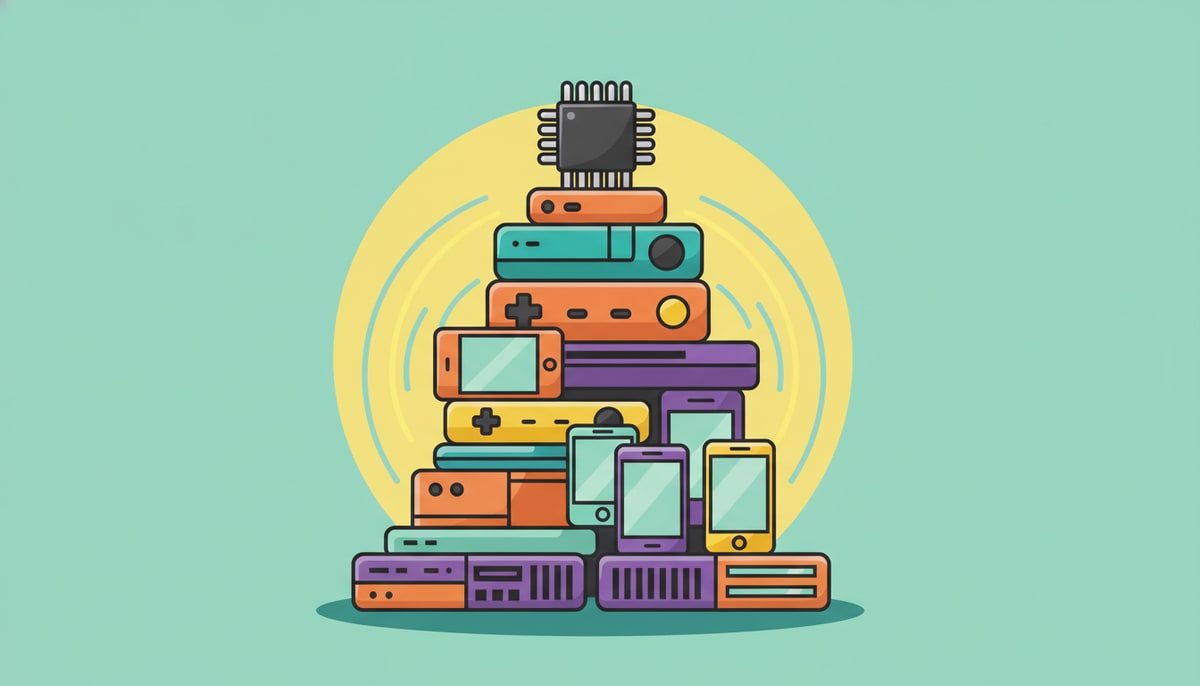
The demand for these powerful chips is exploding! Everyone wants faster games, smarter AI, and more incredible digital experiences. But making these chips is expensive, and so is buying them.
The Money Magic: Investing to Build
The "circular financing" story you're hearing about is basically a grown-up version of how people invest in things they believe will be successful. Imagine you have a brilliant idea for a new game, but you need money to hire designers, programmers, and artists. You might go to someone who has extra money (an investor) and say, "If you give me money now, when my game is super popular, you'll get a share of the profits
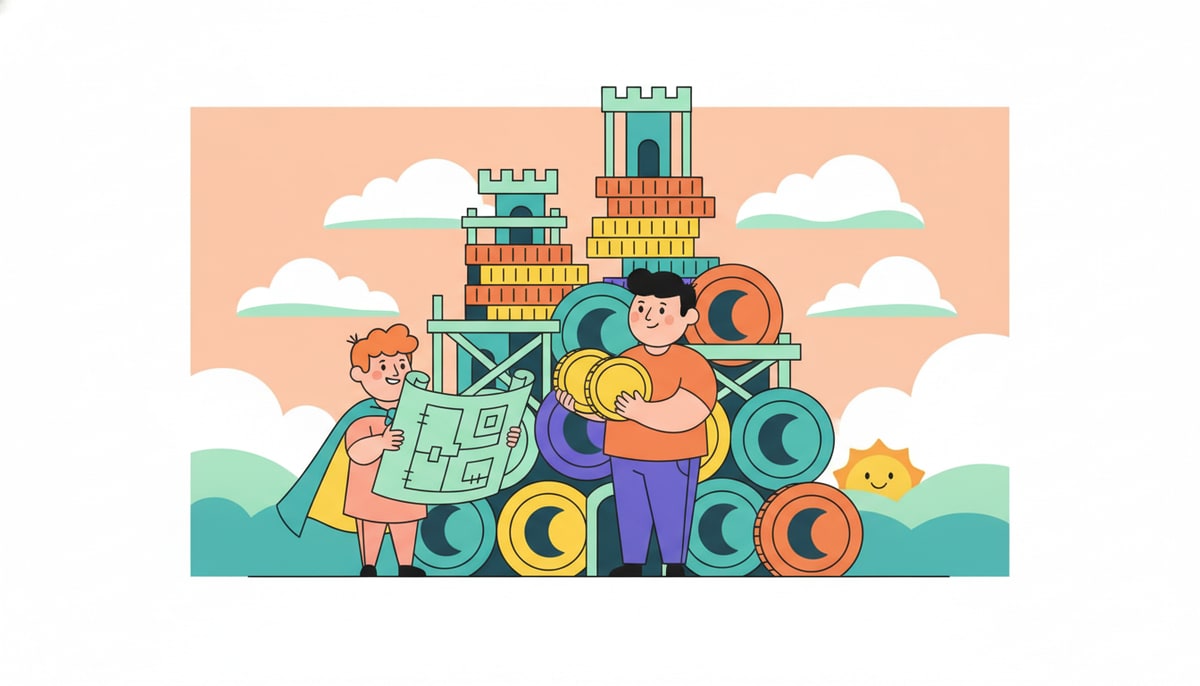 !"
!"
In the tech world, it's a bit more complex. Companies like Nvidia make the super-powerful chips. Other companies, like CoreWeave and Nebius, need those chips to build huge computer systems that people then rent to run their AI programs or host their online games. Sometimes, the companies that need the chips will also invest in the companies that make the chips, or vice versa, to help ensure they have what they need and to share in the potential success. It's like everyone is helping each other out, hoping that by working together, everyone wins as technology grows.
Why This Matters for Your Money Future
This isn't just about big tech companies; it's a fantastic example of a few money lessons:
- Supply and Demand: When everyone wants something (like powerful computer chips), the price goes up, and the companies that make them become very valuable. This is true for toys, snacks, or anything else!
- Investing in Innovation: People and companies invest their money in new ideas and technologies because they believe those things will make the world better and also make them more money in the future. It's how new inventions get built!
- Interconnectedness: No company is an island. These tech companies work together, invest in each other, and rely on each other to create the amazing digital world we live in. Your money decisions are also connected to others – like when you buy a lemonade from a friend's stand, you're helping their small business!
Thinking about how something as seemingly small as a computer chip can drive massive investments and create a whole ecosystem of interconnected businesses helps us understand how money flows and grows in the real world. It shows us that putting money into good ideas can literally build the future.
P.S. This week, talk to your kids about something they use every day that relies on technology – their favorite game, a streaming service, or even the smart speaker. Ask them, "What kind of invisible 'brains' do you think make this work? And what companies might be involved in making those brains?" It's a fun way to explore the world of tech and money!
Stay in the loop
We ship new free guides, printables, and the occasional deal — roughly twice a month. No spam, unsubscribe anytime.
Three streams available: 30-day welcome series, biweekly newsletter, and (opt-in) daily blog posts. Pick which you want after signing up. One click to unsubscribe from any.