The Case of the Missing Lego: Protecting Your Valuables
A $200,000 Lego collection disappeared! Learn why it's important to protect your stuff, big or small, and how to do it.
Inspired by: Bricks and Minifigs Stole a Man's $200k Lego Collection
Imagine spending years building an incredible Lego collection, piece by tiny piece, until it's worth a fortune – like, $200,000! That's what happened to one man, according to a recent story on Hacker News. But then, tragically, his entire collection vanished. He claims it was stolen by a store called Bricks and Minifigs. Yikes!
This story is a big reminder that even things we think of as "toys" can become incredibly valuable. And when something is valuable, it's super important to protect it.
Your Stuff Has Value (Even if it's Not Lego)
You might not have a $200,000 Lego collection (yet
 !), but you probably have things that are really important to you. Maybe it's a special stuffed animal, a gaming console, a bike, or even a collection of cool rocks. These things have value, both sentimental (they mean a lot to you) and sometimes financial (they cost money to buy, or could even be sold).
Think about it:
- Sentimental Value: This is about how much something means to you, like a drawing from your best friend or a trophy from a sports win. It might not be worth money to someone else, but it's priceless to you.
- Financial Value: This is how much money something is worth. A brand new video game console has a clear financial value. So does that rare Pokémon card you've been saving.
The Lego story reminds us that sometimes, things can have both high sentimental and financial value. This man clearly loved his Lego, and it was also worth a ton of money!
How to Protect Your Treasures
So, how can you protect your valuable things, whether they're worth a few dollars or a few thousand?
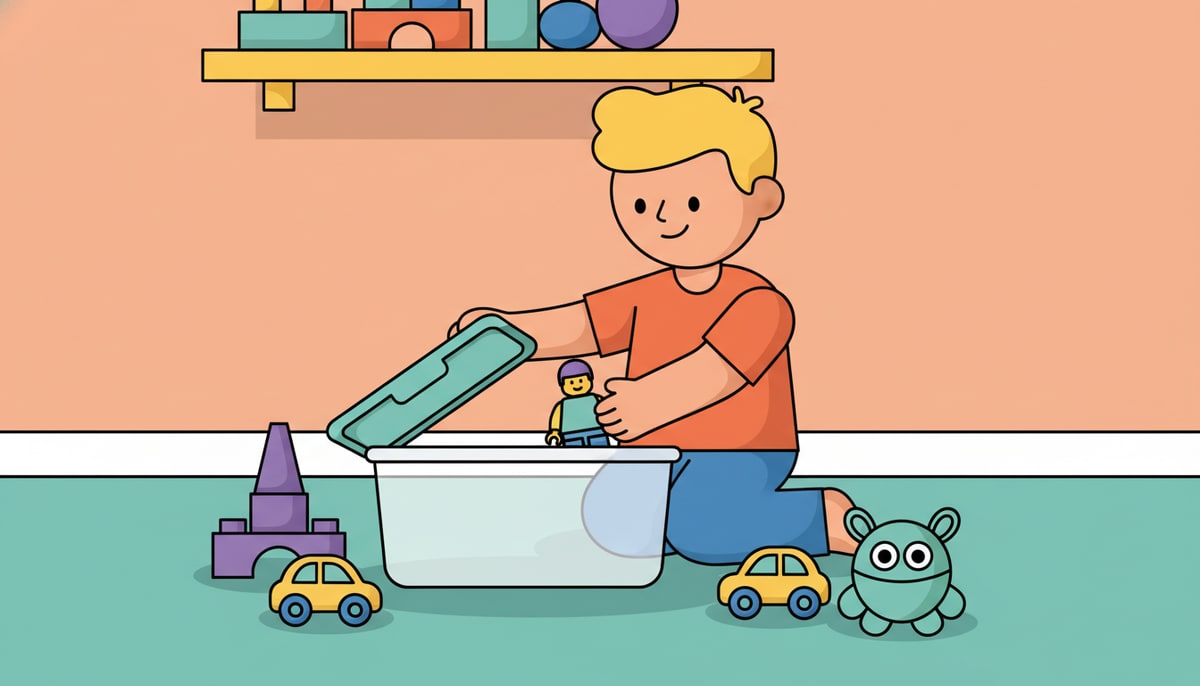
- Keep Them Safe and Organized: Just like you wouldn't leave your bike unlocked on the street, you should keep your important items in a safe place. This could be in a special box, on a high shelf, or even in a locked drawer. Knowing where everything is also helps you notice if something goes missing.
- Know What You Have: If you collect things, like trading cards or comic books, it's a good idea to know exactly what's in your collection. You could make a list, take pictures, or even use an app to keep track. This is especially helpful if something ever gets lost or stolen – you'll have proof of what you owned.
- Be Careful Who You Trust: The Lego story involves a store that was supposed to be reputable. This is a tough lesson in trusting people with your valuables. When you lend something important to a friend, or if an adult helps you sell something, make sure you understand the agreement and trust the person completely.
- Think About "Insurance" (for big stuff): For adults, really valuable things like expensive cars, houses, or huge collections are often insured. This means you pay a small amount of money regularly, and if something bad happens (like theft or damage), the insurance company helps you replace it. While you probably don't need insurance for your action figures, it's a good concept to understand for when you're older and have bigger assets.
Protecting your belongings is a key part of being responsible with money, because replacing lost or stolen items can be expensive! By taking care of what you have, you're also taking care of your money.
P.S. This week, sit down with your child and talk about one item they own that they consider very valuable (either sentimental or financial). Discuss where they keep it, and if there's anything they could do to keep it even safer or better organized.
Stay in the loop
We ship new free guides, printables, and the occasional deal — roughly twice a month. No spam, unsubscribe anytime.
Three streams available: 30-day welcome series, biweekly newsletter, and (opt-in) daily blog posts. Pick which you want after signing up. One click to unsubscribe from any.