Why New Medicines Cost So Much (and Why It Matters to You!)
Discover why some new medications are super expensive, and how understanding those costs can help you make smart money choices.
Inspired by: Medicare will start covering obesity drugs for the first time. Here's what patients should know - CNBC
Hey KidCash Crew! Today, there's big news about healthcare that might sound a little grown-up, but it actually has some really cool money lessons for you. CNBC is reporting that Medicare, a big government program that helps older adults pay for healthcare, will start covering obesity drugs for the first time.
Now, you might be thinking, "What's that got to do with my allowance?" Well, it's a perfect example of how much new medicines can cost, and how those costs affect everyone – even kids!
The Price Tag on New Discoveries
Imagine you're inventing something totally new, like a super-fast hoverboard or a robot that cleans your room. It takes tons of time, smart people, special materials, and maybe even a few failed attempts before you get it just right, right?
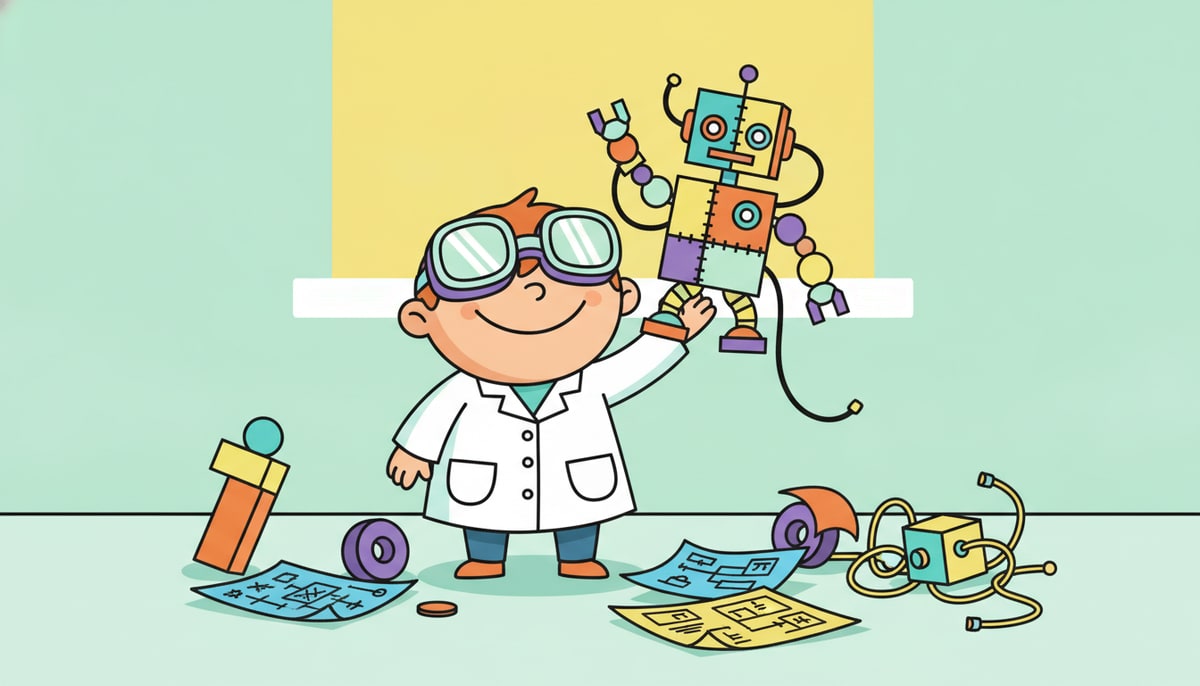
Making new medicines is a lot like that, but even more complicated and expensive. Scientists spend years and years, and billions of dollars, researching diseases and trying to find new ways to help people get better. They have to do lots of tests to make sure the medicine is safe and actually works. All that hard work and expensive testing means that when a brand-new medicine finally comes out, it often has a very high price tag.
These obesity drugs are a good example. They're new, they're complex, and they represent a big step forward in treating a serious health issue. Because they're so new and effective, they can be very expensive, sometimes thousands of dollars a month!
Who Pays for All This?
When something is expensive, someone has to pay for it. In the case of these new drugs, when Medicare starts covering them, it means the government (which gets its money from taxes that adults pay) will be helping people afford them. This is a good thing for many people who need the medicine but couldn't pay for it themselves.
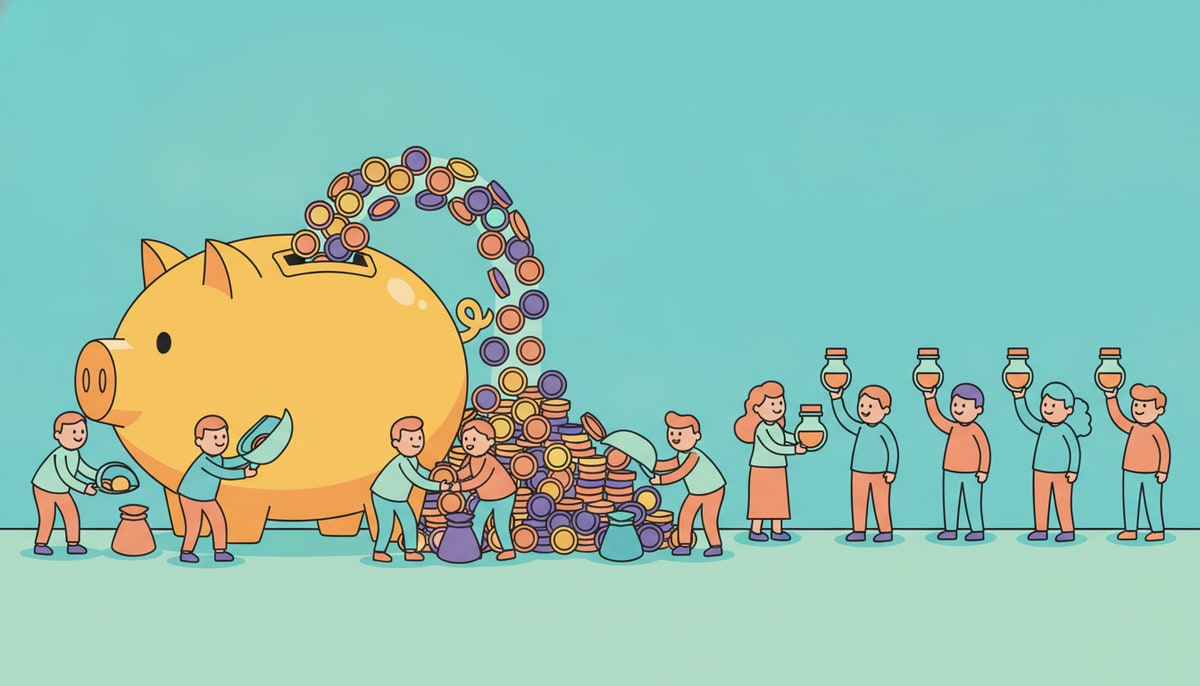
But it also reminds us that healthcare costs are a big deal. When new, expensive treatments become available, it can put a strain on everyone's budgets – families, insurance companies, and even the government.
Your Health, Your Wealth
So, what's the money lesson for you?
-
Prevention is Power (and Saves Money!): While amazing new medicines are being invented all the time, one of the best ways to keep healthcare costs down (for yourself and for everyone else) is to stay healthy! Eating nutritious foods, getting enough exercise, and taking care of your body are like investing in your future health. A healthy body often means fewer doctor visits and less need for expensive medicines later on. It's like putting money in your "health savings account" every day!
-
Needs vs. Wants (in a Big Way): When you think about a medicine someone needs to stay healthy, that's a definite "need." But even within "needs," there can be different options with different costs. Sometimes, older, generic medicines (like the store-brand cereal vs. the fancy one) work just as well and are much cheaper. Understanding that there are choices, and that some choices are more expensive than others, is a super important money skill.
-
Appreciate Innovation (and Its Cost): It's incredible that scientists can create medicines that truly change people's lives. It's important to appreciate the hard work and innovation behind these breakthroughs. But it's also smart to understand that innovation often comes with a cost, and those costs ripple through our whole economy.
Understanding why things cost what they do, especially something as important as medicine, helps you see the bigger picture of money in the world. It teaches you to be mindful of your own choices and how they connect to bigger systems.
P.S. This week, talk with your parents about one healthy habit you can start or improve as a family. Maybe it's going for a walk after dinner, trying a new vegetable, or making sure everyone gets enough sleep. Think of it as investing in your family's "health savings account" together!
Stay in the loop
We ship new free guides, printables, and the occasional deal — roughly twice a month. No spam, unsubscribe anytime.
Three streams available: 30-day welcome series, biweekly newsletter, and (opt-in) daily blog posts. Pick which you want after signing up. One click to unsubscribe from any.