
Power Outages & Your Piggy Bank: Why Saving Matters
Gary residents are without power, highlighting why having an emergency fund is like a superhero cape for your family's finances.
Inspired by: Gary residents turn to prayer as power outage stretches into third week - WFYI
Imagine waking up one morning, and the lights don't turn on. Your phone is dead, the fridge isn't humming, and there's no Wi-Fi for your favorite games. That's what's happening right now in Gary, Indiana, where some residents have been without power for three weeks! It's a tough situation, and it makes you think about all the things we rely on electricity for – and what happens when it's gone.
While we hope their power comes back on very soon, this news from Gary is a powerful reminder for all of us, especially when it comes to money.
What Does Power Have to Do With Money?
Think about it: when the power goes out, everyday life changes. You can't just run to the store for fresh groceries if the store's power is out too, or if your car is low on gas and you can't pump any. Maybe you need to buy batteries, flashlights, or even a cooler to save food. All these things cost money, and if you haven't planned for it, a sudden emergency can be really stressful.
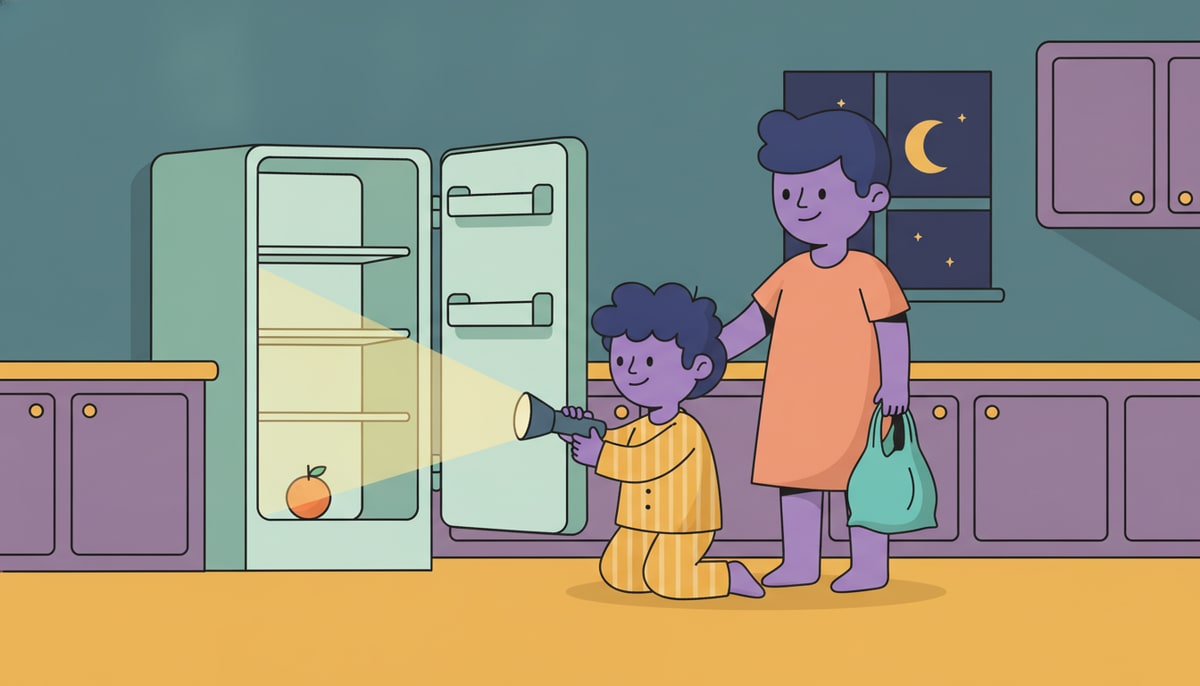
This is where the idea of an "emergency fund" comes in. It's like a special savings account just for unexpected surprises.
Your Emergency Fund: A Money Superhero
An emergency fund isn't for buying new toys or candy. It's for when things go wrong – like a power outage, a broken bicycle that needs fixing, or a sudden trip to the doctor. It's your financial superhero, ready to jump in and save the day when you need it most.
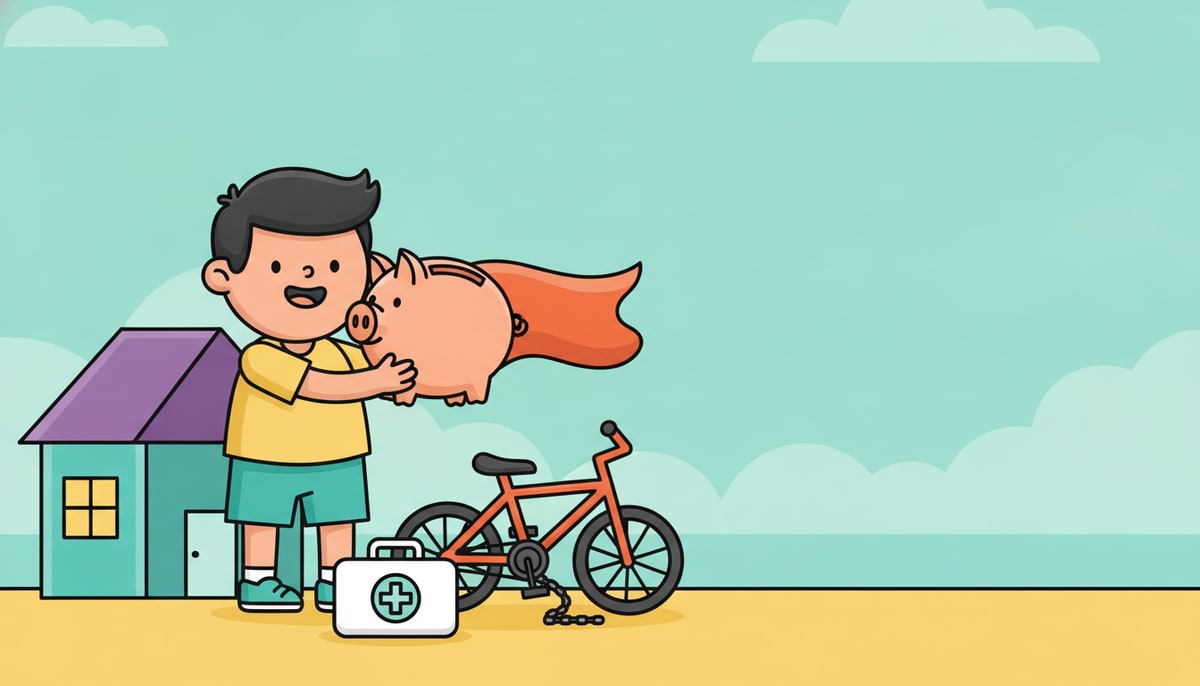
Let's say you're saving up for a cool new video game, and you have $50. Suddenly, your bike gets a flat tire, and you need $15 to fix it so you can get to your friend's house. If you don't have an emergency fund, you might have to use some of your video game money. That's a bummer! But if you had a separate $20 in your emergency fund, you could fix your bike and keep saving for your game. Win-win!
How to Build Your Own Superhero Fund
- Start Small: You don't need a huge amount to begin. Even $5 or $10 is a great start. Think of it as planting a tiny money tree that will grow over time.
- Give It a Name: Call it your "Oopsie Fund," your "Surprise Savings," or your "Disaster Dollars." Giving it a fun name makes it feel more real and important.
- Regular Deposits: When you get allowance, birthday money, or money for chores, try to put a little bit into your emergency fund before you spend on other things. Even $1 a week adds up.
- Keep It Separate: If you have a piggy bank, maybe use a different jar or section for your emergency money so you don't accidentally spend it.
The people in Gary, Indiana, are going through a tough time, and it shows us how important it is to be prepared for the unexpected. Having an emergency fund gives you and your family a little extra peace of mind and makes those surprising moments a lot less scary.
P.S. This week, talk to your kids about what an emergency fund is and why it's important. Maybe even set up a dedicated "emergency jar" and challenge them to contribute a small amount from their allowance or earnings. It’s a tangible way to start building this crucial habit.
Stay in the loop
We ship new free guides, printables, and the occasional deal — roughly twice a month. No spam, unsubscribe anytime.
Three streams available: 30-day welcome series, biweekly newsletter, and (opt-in) daily blog posts. Pick which you want after signing up. One click to unsubscribe from any.