Saving Billions: How Smart Deals Help Everyone
Discover how the government's new drug discount program is saving billions and what it teaches kids about getting good deals.
Have you ever helped your parents find a really good deal on something, like comparing prices for a new toy or finding a discount on groceries? It feels great to save money, right? Well, today’s big news is about a deal so big, it’s going to save billions of dollars! The New York Post is reporting that President Trump’s "favored nations" drug discount program has been adopted by all 50 states. This means huge savings for Medicaid, which helps people get the medicine they need.
Now, "favored nations" sounds pretty fancy, but it's actually a super smart idea that we can all learn from. Imagine you're buying a new video game. If you know that GameStop is selling it for $50, but Target is selling the exact same game for $40, where would you buy it? Target, of course! You’d want the best price.
What is a "Favored Nations" Deal?
In the world of big business and government, a "favored nations" clause basically says, "Hey, if you offer a better deal to anyone else for this product, you have to offer that same better deal to us too." It's like saying, "We want the absolute best price you give to anyone."
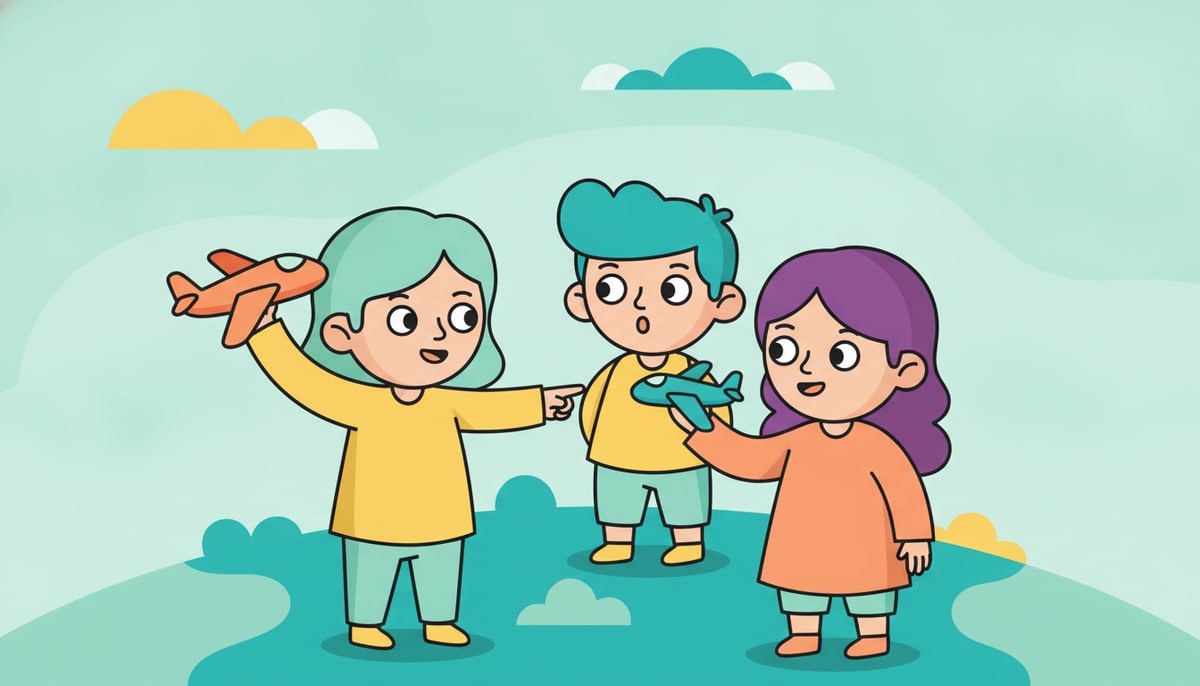
Think about it like this: A big medicine company sells a specific allergy medicine. They might sell it to Country A for $10 a pill, and to Country B for $8 a pill. With a "favored nations" deal, if the US government is buying that same medicine, they would automatically get the $8 price (or even lower if another country gets a better deal later!). This ensures that the US isn't overpaying when other buyers are getting a better rate.
Why This Matters for Kids and Money
This isn't just about big government programs; it's a fantastic lesson in smart consumer habits that you can use every day.
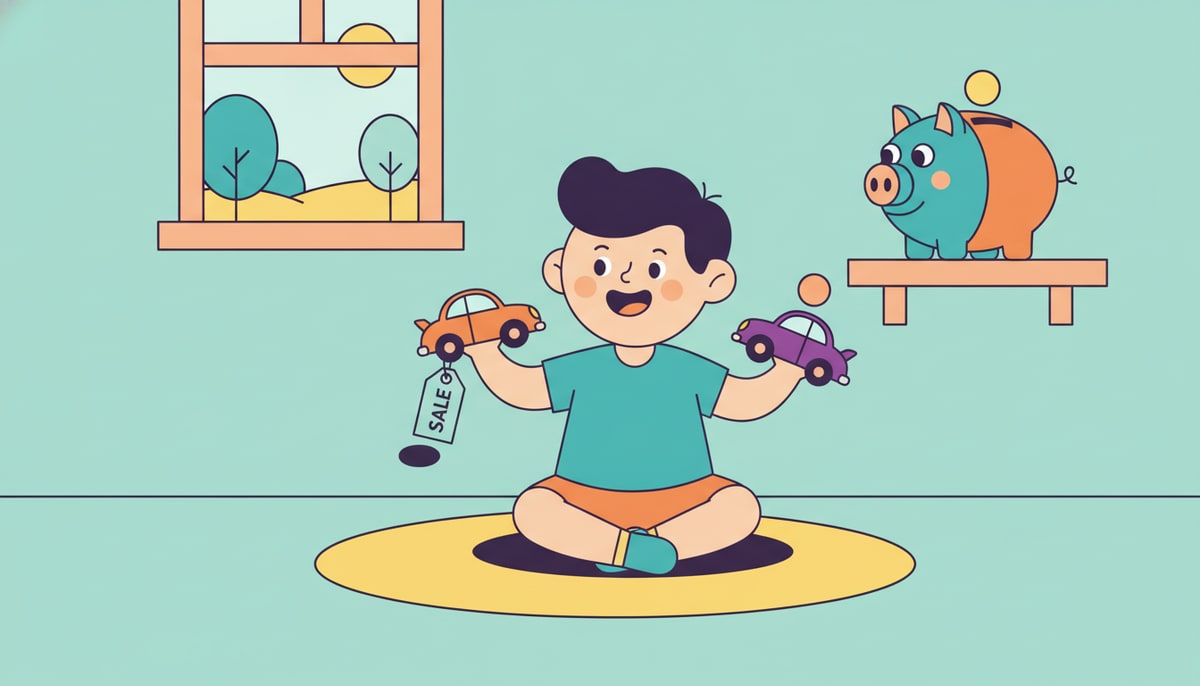
- Always Compare Prices: Before you buy something, whether it's a new book, a snack, or even a digital game, take a moment to see if you can find it cheaper somewhere else. Just like the government is looking for the best price on medicine, you can look for the best price on things you want.
- Don't Be Afraid to Ask for a Better Deal: Sometimes, asking can pay off! If you're at a local market and buying several items, you might politely ask if there's a small discount for buying in bulk. Or, if you see a product you like, but it’s a bit out of your budget, you could wait for a sale.
- Understanding Value: A good deal isn't just about the lowest price. It's about getting the best value for your money. Sometimes, a slightly more expensive item might last longer or work better, making it a better value in the long run. The government isn't just looking for cheap medicine; they're looking for effective medicine at the best possible price.
- The Power of Negotiation (Even Small Scale): While you might not be negotiating billions, you can practice this skill. Maybe you're doing chores for allowance, and you want to earn a bit more for a bigger task. You could "negotiate" with your parents by explaining why that task deserves more.
These huge savings from the "favored nations" program mean that billions of dollars can be used for other important things, or perhaps even help lower taxes in the future. It shows how being smart about spending – whether you're a government or a 10-year-old saving for a new bike – can have a massive impact.
So, the next time you're thinking about buying something, remember the "favored nations" idea. Are you getting the best deal possible? A little bit of smart shopping can go a long way, for you and for everyone else!
P.S. This week, challenge your kids to find the best deal on an item they want, or a household item you need. Have them compare prices at two different stores (online or in person) and explain which one is the "favored nation" for that purchase and why.
Stay in the loop
We ship new free guides, printables, and the occasional deal — roughly twice a month. No spam, unsubscribe anytime.
Three streams available: 30-day welcome series, biweekly newsletter, and (opt-in) daily blog posts. Pick which you want after signing up. One click to unsubscribe from any.