Tiny Tech, Big Ideas: What Fits in Your Pocket?
Discover how advanced tech like Bonsai 27B models are shrinking, and what that means for your future gadgets and your money!
Inspired by: Bonsai 27B: A 27B-Class model that runs on a phone
Have you ever thought about how much power is packed into the phone or tablet you use every day? It’s pretty amazing, right? Today, there's a lot of buzz on Hacker News about something called "Bonsai 27B," which is a really powerful computer model that can actually run right on a phone! Imagine having something super smart, like a mini-brain, that doesn't need to connect to the internet to do incredible things.
This isn't just cool tech talk; it's a peek into how technology is always changing, and how those changes can affect your money and the things you buy.
Smaller, Smarter, and Sometimes Cheaper?
Think about it: when technology first comes out, it's usually huge, expensive, and only a few people can afford it. Remember the first cell phones? They were like bricks
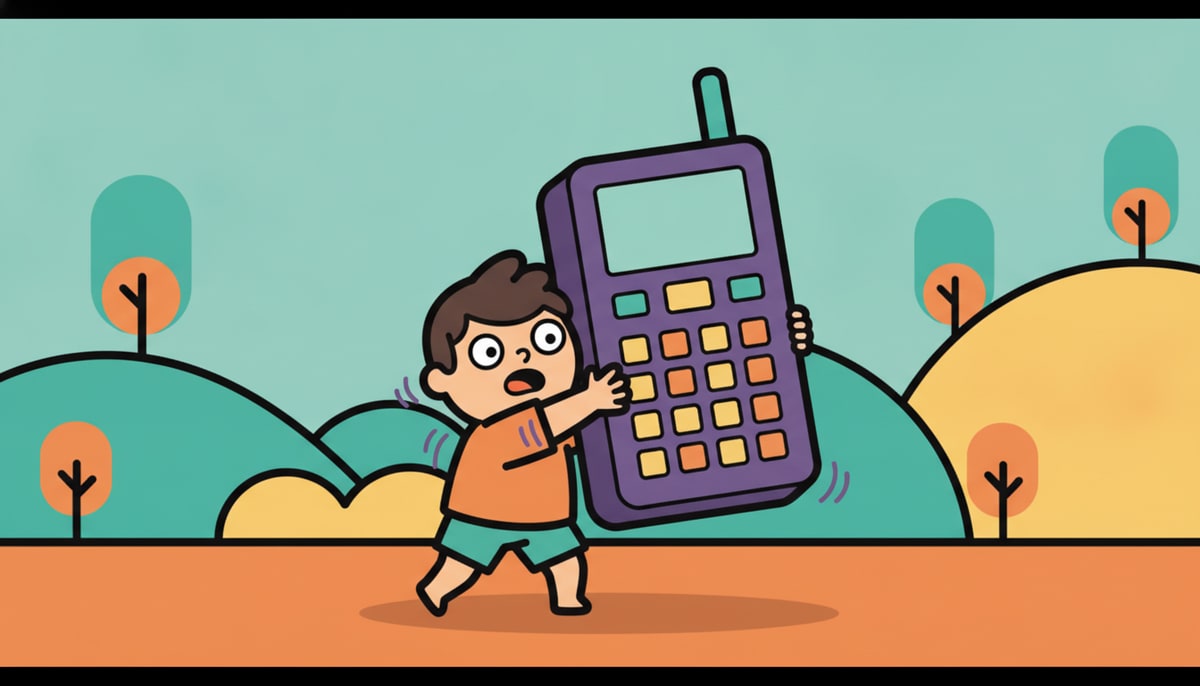 ! Now, your smartphone can do a million times more than those old phones, and it fits in your pocket.
The Bonsai 27B news is exciting because it shows that really advanced artificial intelligence (AI) is getting smaller and more efficient. This means that instead of needing giant, expensive computers in a faraway data center to run these smart programs, they could soon be running right on the devices you already own or will own.
What does that mean for your allowance or your savings goals?
-
New Gadgets, New Choices: When technology shrinks and becomes more powerful, it opens the door for all sorts of new inventions. Maybe your next toy will have super-smart AI built right in, making it more interactive and fun. Or perhaps your school tablet will be able to help you with homework in ways we can't even imagine yet, without needing a constant internet connection. More choices mean you'll need to think carefully about what you really want and how much you're willing to save for it.
-
The Price Tag Rollercoaster: Initially, new tech can be pricey. But as it becomes more common and easier to make, prices often come down. Think about video game consoles – the original PlayStation was a big investment, but over time, gaming became much more accessible. This "shrinking tech" trend could eventually make powerful AI more affordable for everyone, not just big companies. So, if there's a new gadget with amazing AI capabilities, it might be smart to wait a bit if you're on a budget.
-
Future Jobs and Skills: As AI becomes more common and easier to use, it will change the kinds of jobs that are available. Learning about technology, understanding how AI works (even just the basics!), and developing skills like problem-solving and creativity will be super important. These are skills that will help you earn money and succeed in the future, no matter what new tech comes along.
The Power of Progress
The story of Bonsai 27B is a reminder that the world of technology is always moving forward. Things get smaller, faster, and smarter. This progress often makes our lives easier, more fun, and sometimes, even more affordable in the long run.

The next time you see a headline about a new invention or a tiny piece of tech doing something incredible, take a moment to think about how it might change the world around you – and how it might impact your money choices down the road. It's a great way to start thinking like a savvy consumer and a future innovator!
P.S. This week, talk with your kids about a piece of technology they use every day. Ask them what it used to be like (maybe show them a picture of an old flip phone or a bulky computer monitor!). Discuss how it's changed and whether they think it's become more or less expensive over time.
Stay in the loop
We ship new free guides, printables, and the occasional deal — roughly twice a month. No spam, unsubscribe anytime.
Three streams available: 30-day welcome series, biweekly newsletter, and (opt-in) daily blog posts. Pick which you want after signing up. One click to unsubscribe from any.