
Wildfires & Your Wallet: A Family Safety Net
When wildfires force thousands to evacuate, it's a stark reminder of how emergencies can impact our money. Learn about emergency funds.
Inspired by: Fast-moving wildfire amid shifting winds threatens Reno, Nevada, forcing thousands to evacuate - NBC News
Hearing about the fast-moving wildfires threatening Reno, Nevada, and forcing thousands to evacuate is scary news. Our thoughts are with everyone affected. It's a powerful reminder of how quickly life can change and how important it is to be prepared for the unexpected, especially when it comes to your family's money.
Imagine having to leave your home with very little notice. What would you take? What would you need to buy right away? Food, a place to sleep, clothes... these all cost money. This is where an "emergency fund" comes in, and it's a super important concept for kids to understand, even if they're not the ones paying the bills.
What's an Emergency Fund?
Think of an emergency fund like a special piggy bank for grown-up problems. It's not for new toys, video games, or even a fancy dinner. It's money saved specifically for big, unexpected things that happen – like needing to fix a broken car, pay for a surprise doctor's visit, or, in the case of the Reno fires, cover the costs of having to leave your home and stay somewhere else for a while.
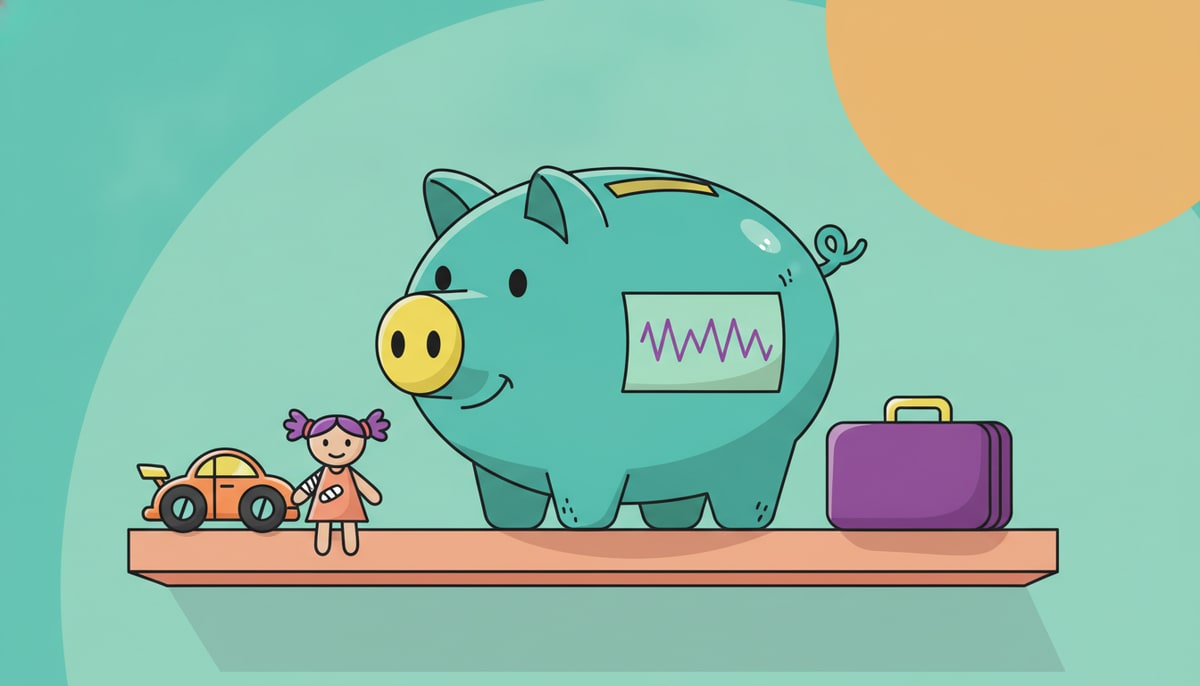
For families affected by the wildfires, they might suddenly need money for:
- Temporary housing: Hotels, motels, or even gas to drive to a relative's house.
- Food: Eating out when you can't cook at home.
- Basic supplies: Toothbrushes, clothes, medicine, pet food.
- Lost wages: If parents can't go to work because of the emergency.
Having an emergency fund means you don't have to worry as much about where the money for these things will come from during an already stressful time. It's like having a financial superhero ready to swoop in and help.
Why Kids Should Care About It
You might be thinking, "That's my parents' job
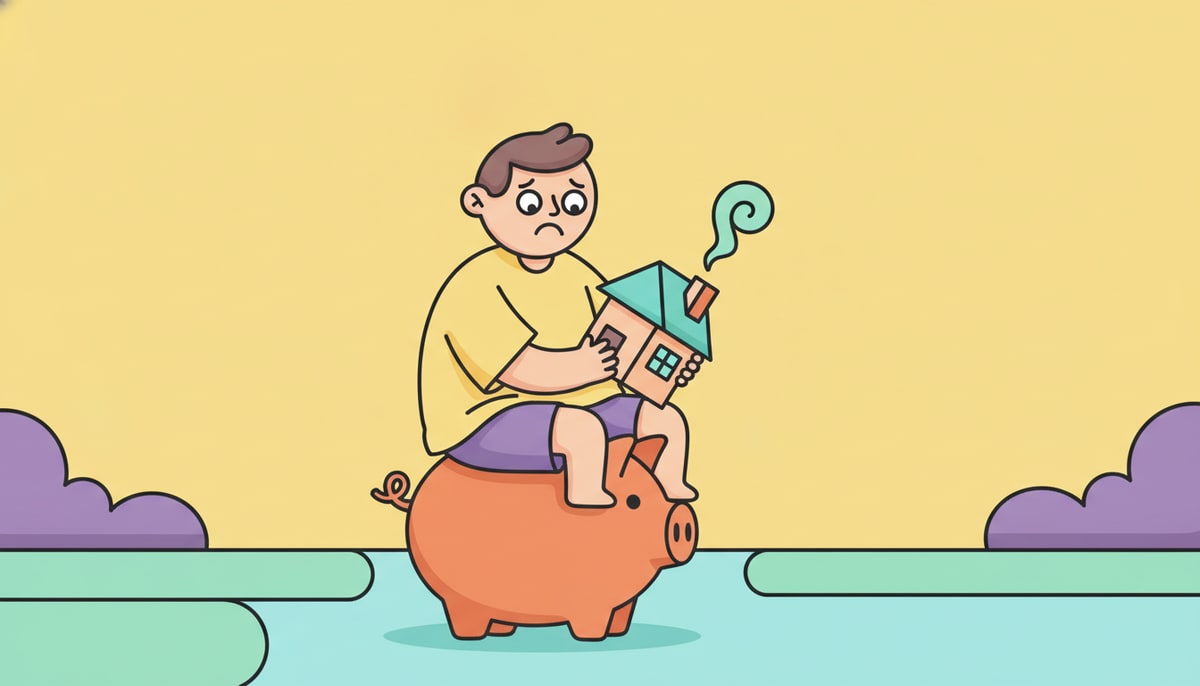 !" And you're right, it mostly is. But understanding the idea of an emergency fund helps you in a few ways:
- It teaches preparedness: Just like you pack a backpack for school or make sure you have your sports gear, being ready for unexpected events is smart.
- It shows the value of saving: Not all saving is for fun stuff. Some saving is for security and peace of mind.
- It can reduce family stress: When parents have an emergency fund, they're often less stressed when big problems hit. And when parents are less stressed, the whole family feels better. You might even notice your parents are calmer and more patient if they don't have to scramble for money during a tough time.
- It helps you plan for your future: When you start earning your own money, you'll want to build your own emergency fund. Maybe it's for a broken phone, a surprise school trip, or even just a backup plan if your summer job doesn't work out.
Your Role in the Family's Safety Net
Even though the big emergency fund is for your parents, you can still help!
- Be mindful of spending: When you ask for things, remember that every dollar spent on a "want" is a dollar that isn't available for a "need" or for the family's emergency savings.
- Understand needs vs. wants: During an emergency, wants go out the window. It's all about needs. Practicing this mindset now can be helpful.
- Save your own money: If you have an allowance or earn money, practice saving a portion for your own unexpected needs (like a new book when yours gets ruined, or a replacement for lost art supplies). This is your mini-emergency fund!
Life can be unpredictable, as the news from Reno shows us. But by understanding and appreciating the power of an emergency fund, you're learning a really valuable lesson about financial security and preparedness that will benefit you for your entire life.
P.S. This week, talk to your kids about what items they would grab if they had to leave home quickly. It's a gentle way to introduce the idea of preparing for emergencies and can spark a conversation about what's truly valuable and what you might need to buy if you were suddenly away from home.
Stay in the loop
We ship new free guides, printables, and the occasional deal — roughly twice a month. No spam, unsubscribe anytime.
Three streams available: 30-day welcome series, biweekly newsletter, and (opt-in) daily blog posts. Pick which you want after signing up. One click to unsubscribe from any.